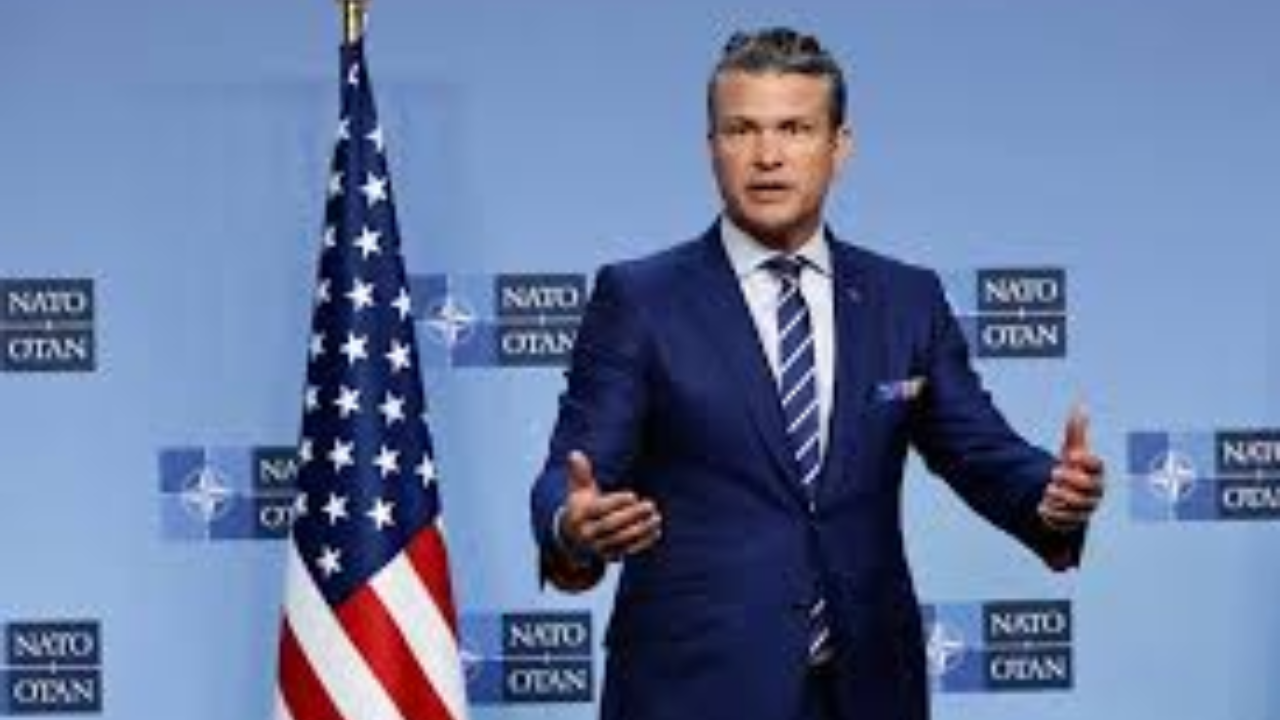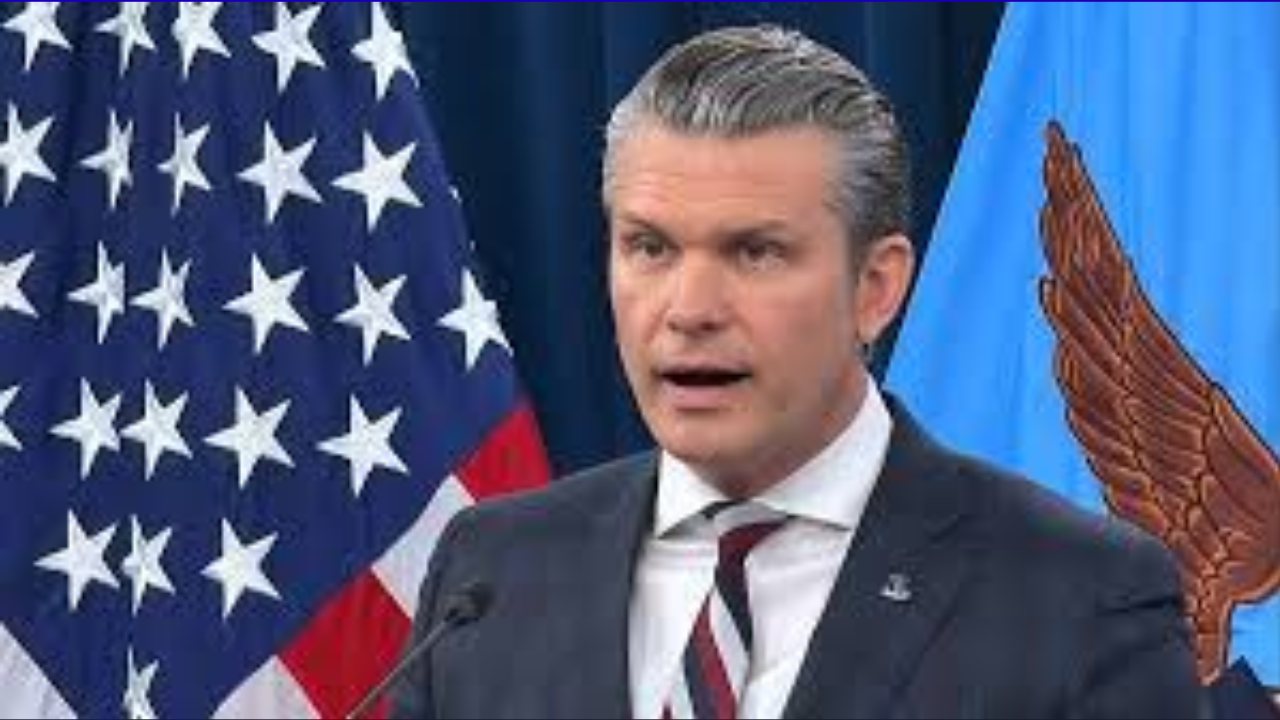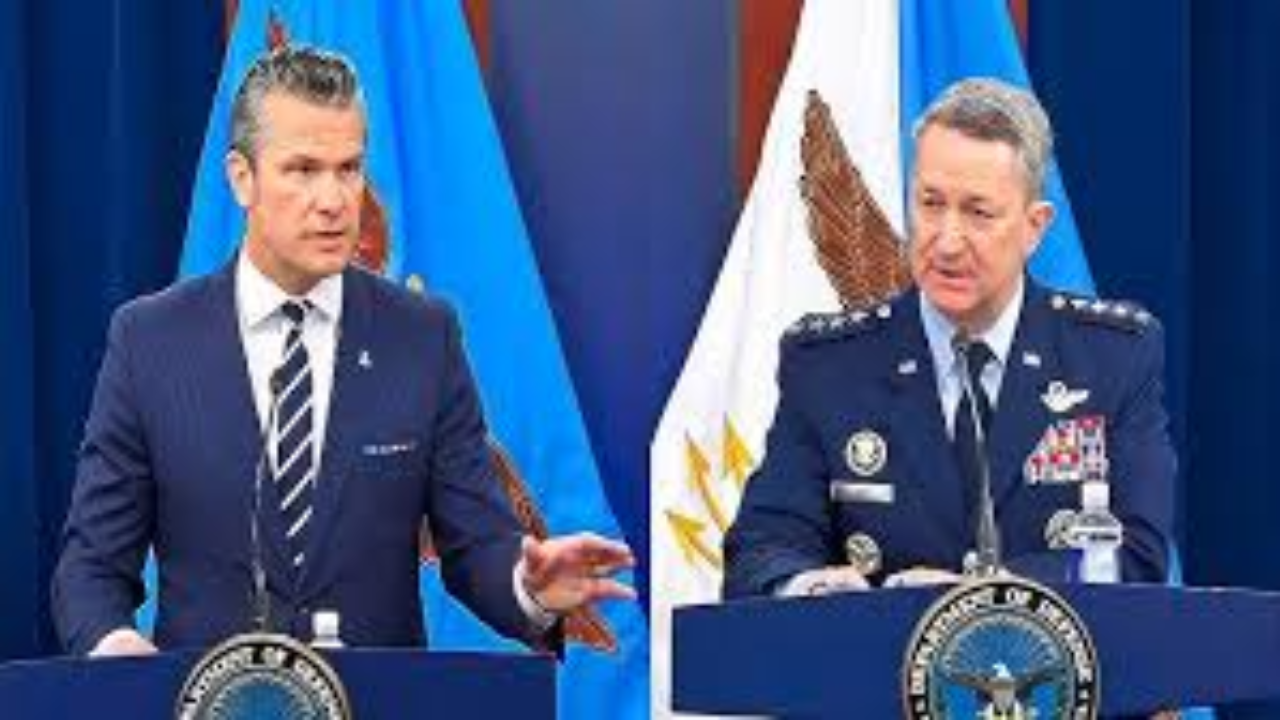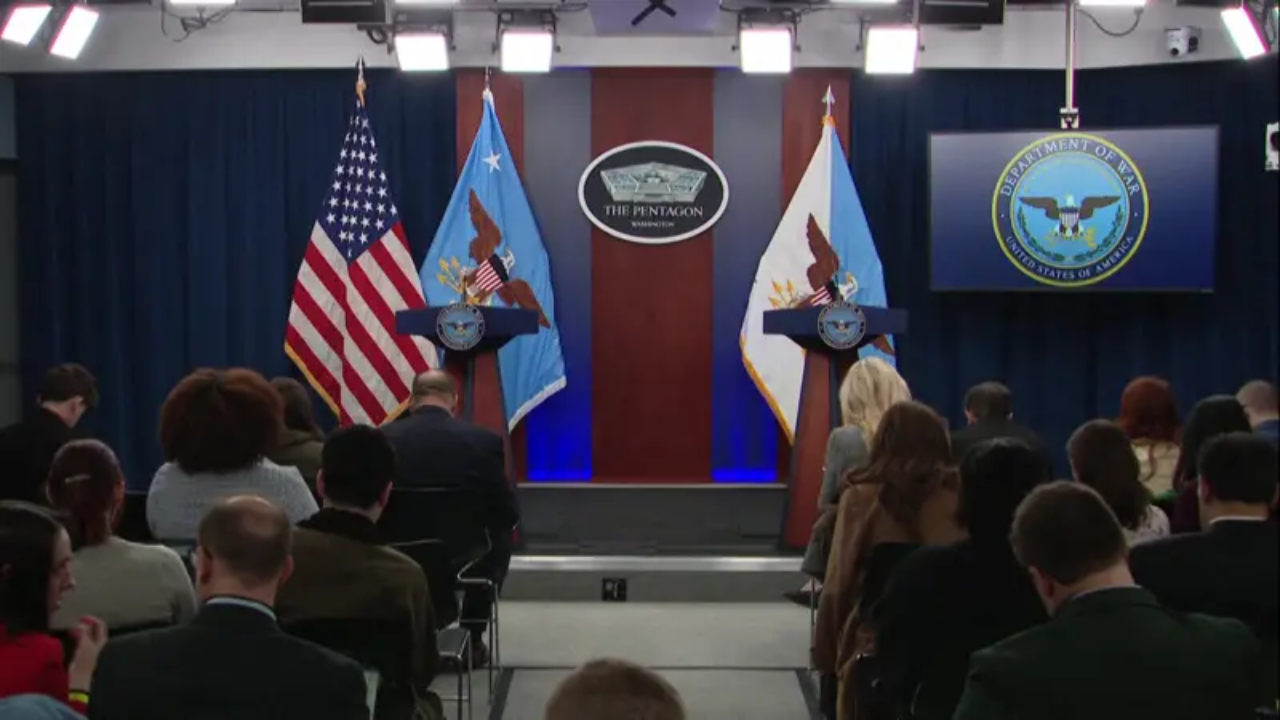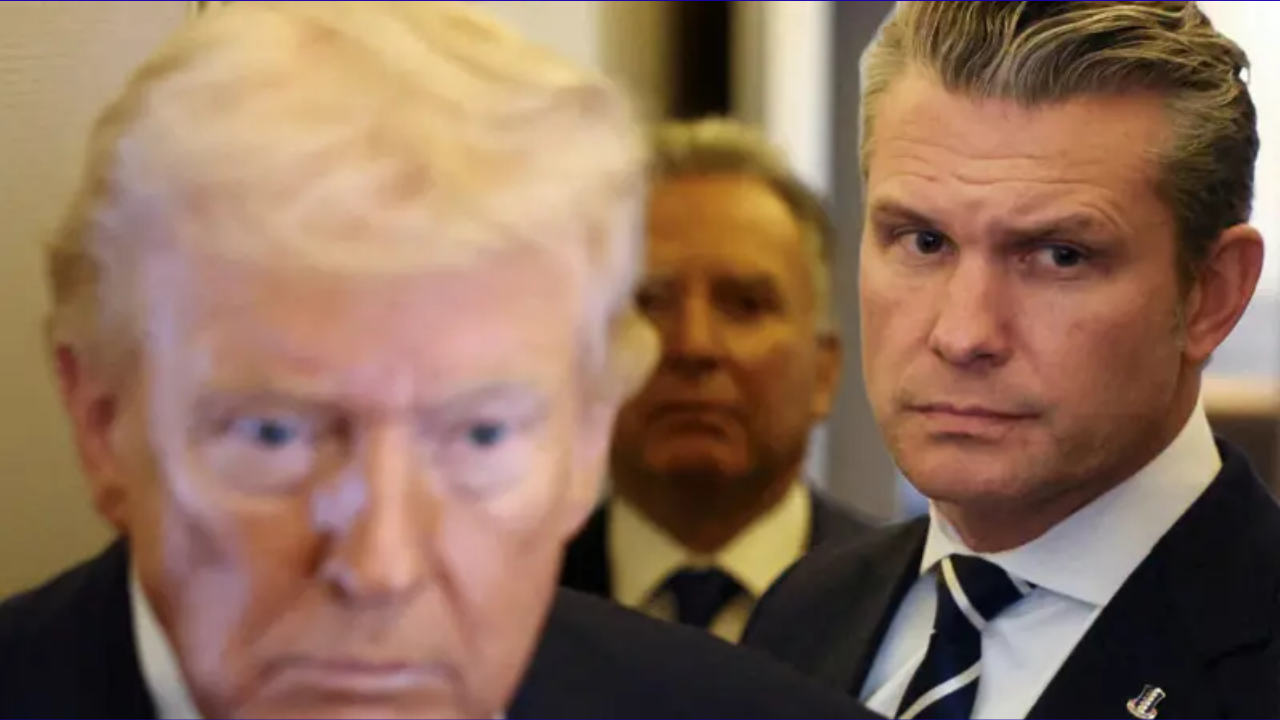
WASHINGTON — Inside the Pentagon briefing room today, the atmosphere was less about military triumph and more about narrative control. Secretary of Defense Pete Hegseth, flanked by General Caine, didn’t just deliver an update on the conflict; he delivered an ultimatum to the American media.
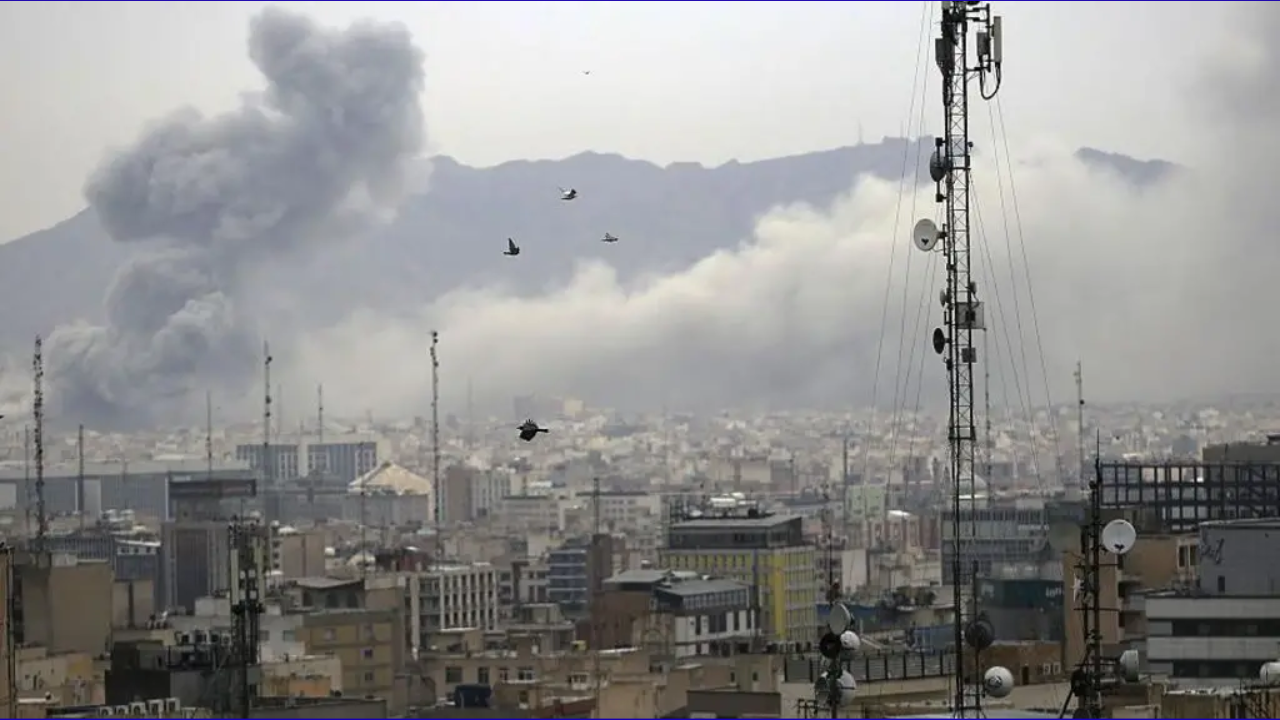
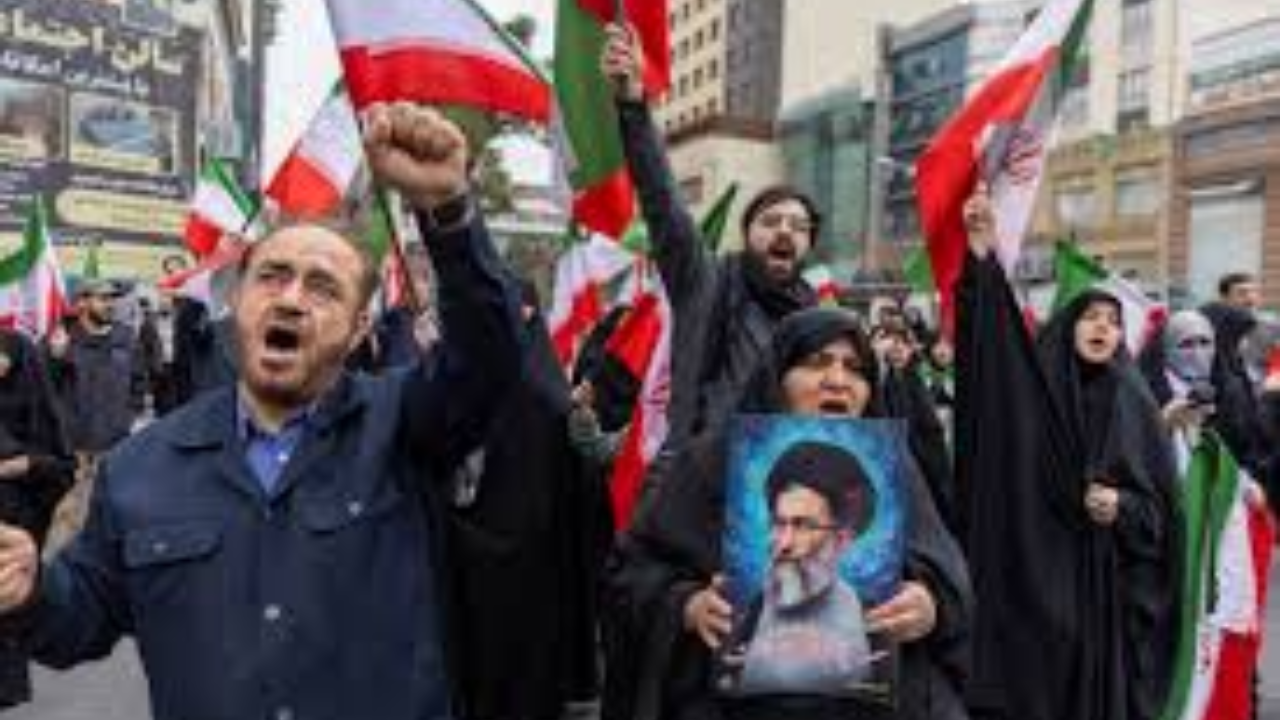
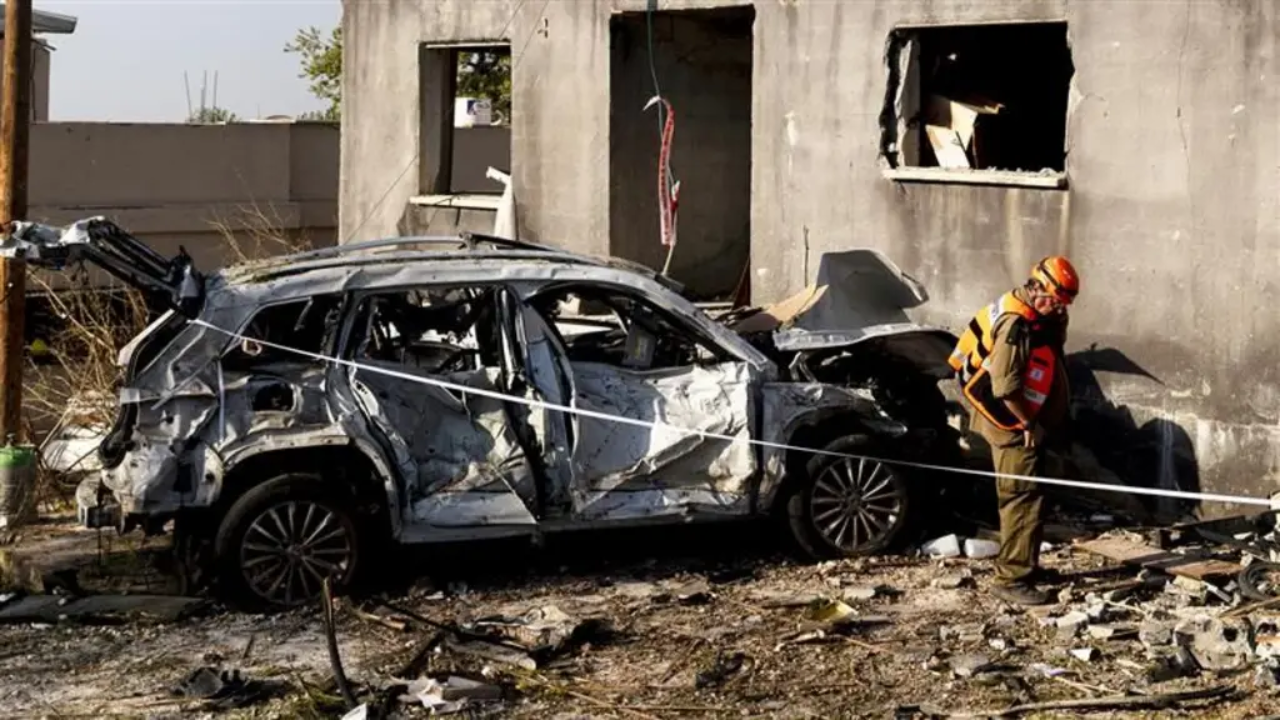
Thank you for reading this post, don't forget to subscribe!As the war enters its third week, the administration is clearly feeling the heat from a triple-threat of domestic pressures: spiraling oil prices, the unyielding resilience of the Tehran government, and the sobering reality of U.S. military casualties.
A Crusade of Rhetoric
Hegseth opened the conference with a confrontational tone, demanding that the press “admit” the scale of U.S. and Israeli success. His language was visceral and highly cinematic:
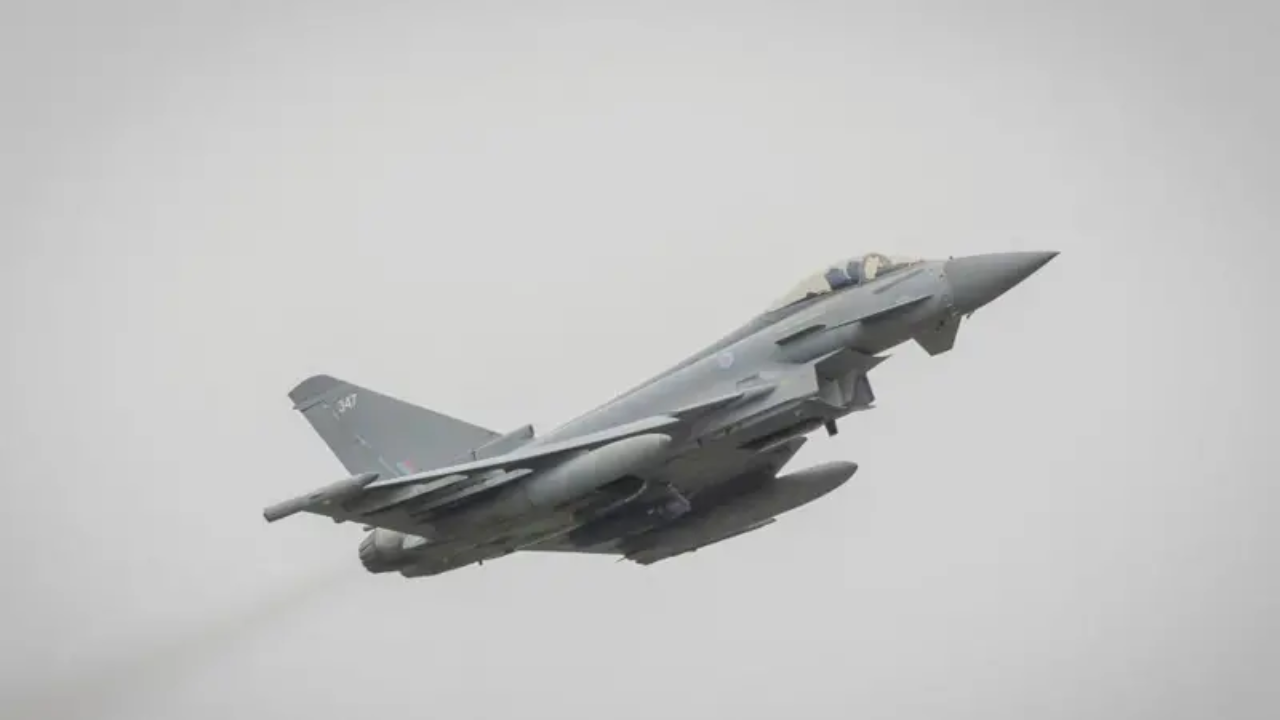
- The Narrative: He claimed the Iranian regime now looks to the skies only to see the “Stars and Stripes and the Star of David”—what he termed the “regime’s worst nightmare.”
- The Status: He asserted that Iran’s conventional capabilities are being erased, describing a leadership “cowering underground like rats.”
- The Demand: In a striking moment of media criticism, Hegseth called for a more “patriotic press,” suggesting that skepticism toward the mission’s progress was bordering on a lack of national loyalty.
The Strategic Silence
Despite the fiery rhetoric, the briefing was most notable for what it left unsaid. When pressed on the two most critical levers of this conflict, the Secretary turned evasive:
- The Strait of Hormuz: As global energy markets reel and shipping lanes remain perilous, Hegseth offered no concrete plan for how the U.S. intends to permanently secure the world’s most vital oil artery.
- The Nuclear Stockpile: While claiming to “decimate” the military, the administration provided no roadmap for the seizure or destruction of Iran’s enriched uranium—the very catalyst for this intervention.
Analysis: The “Pressure Gap”
Hegseth’s irritation is a tell-tale sign of an administration caught in the “Pressure Gap.” While the Pentagon can dominate the skies, they have yet to dominate the consequences. The bravado regarding “wiping out” arsenals acts as a shield against the growing public anxiety over $100-a-barrel oil and the human cost of the campaign.
The Secretary’s insistence on a “patriotic” narrative suggests that the White House is no longer just fighting a war in the Middle East—they are fighting a war of perception at home, and the cracks are starting to show.