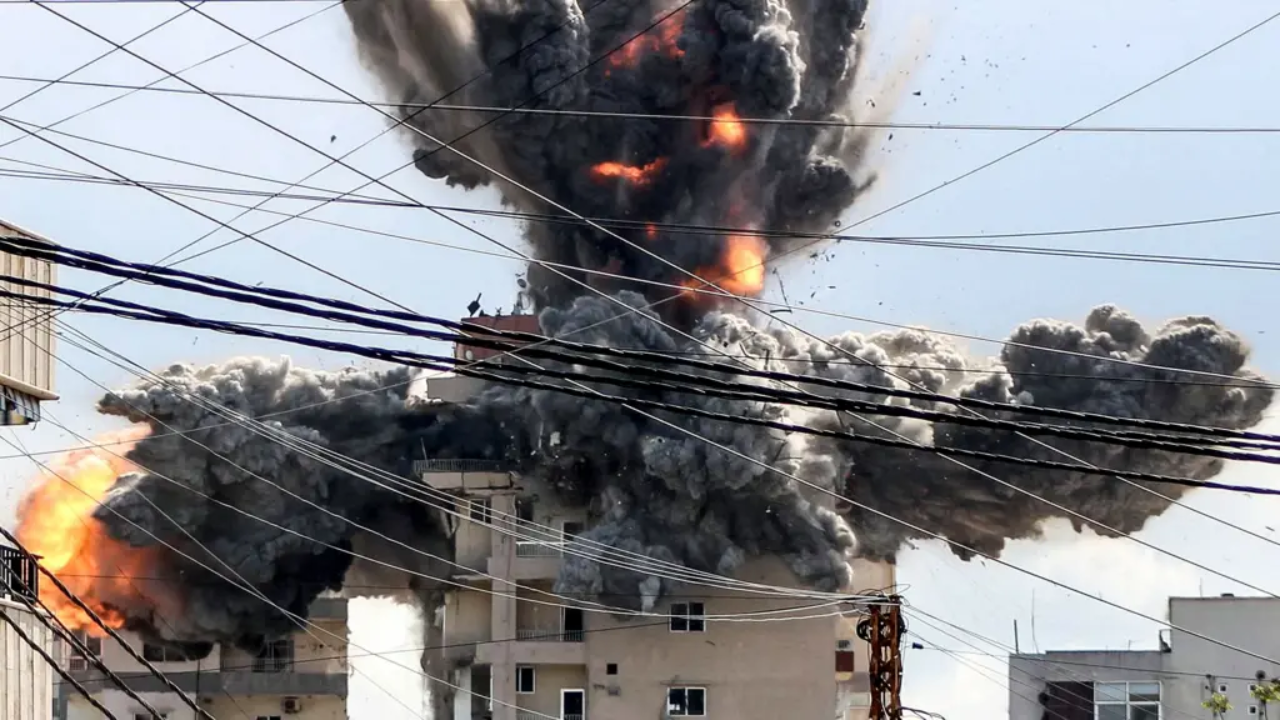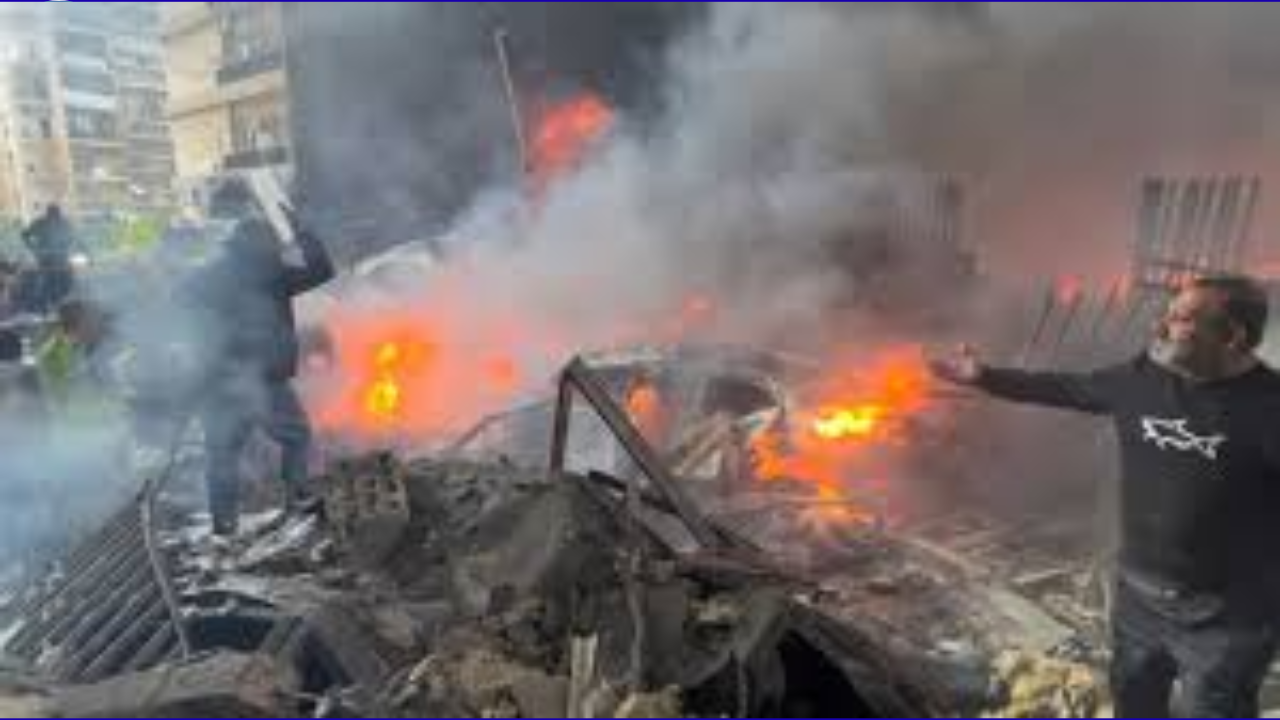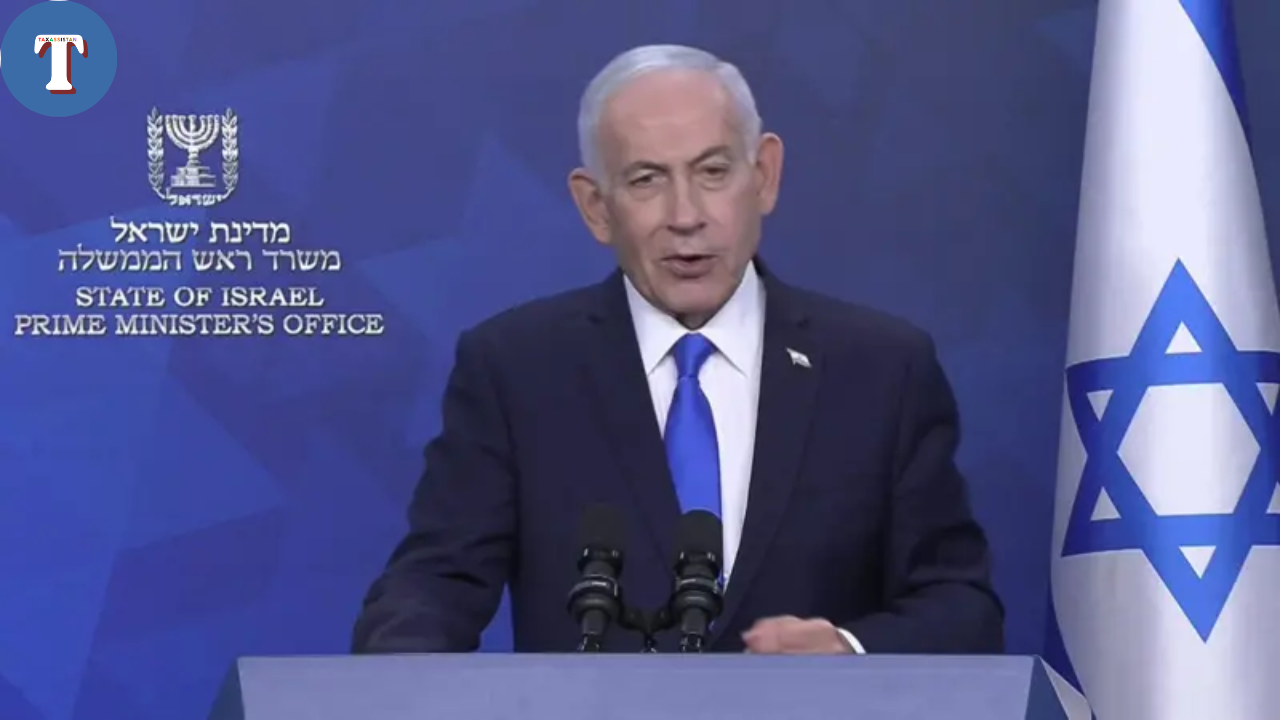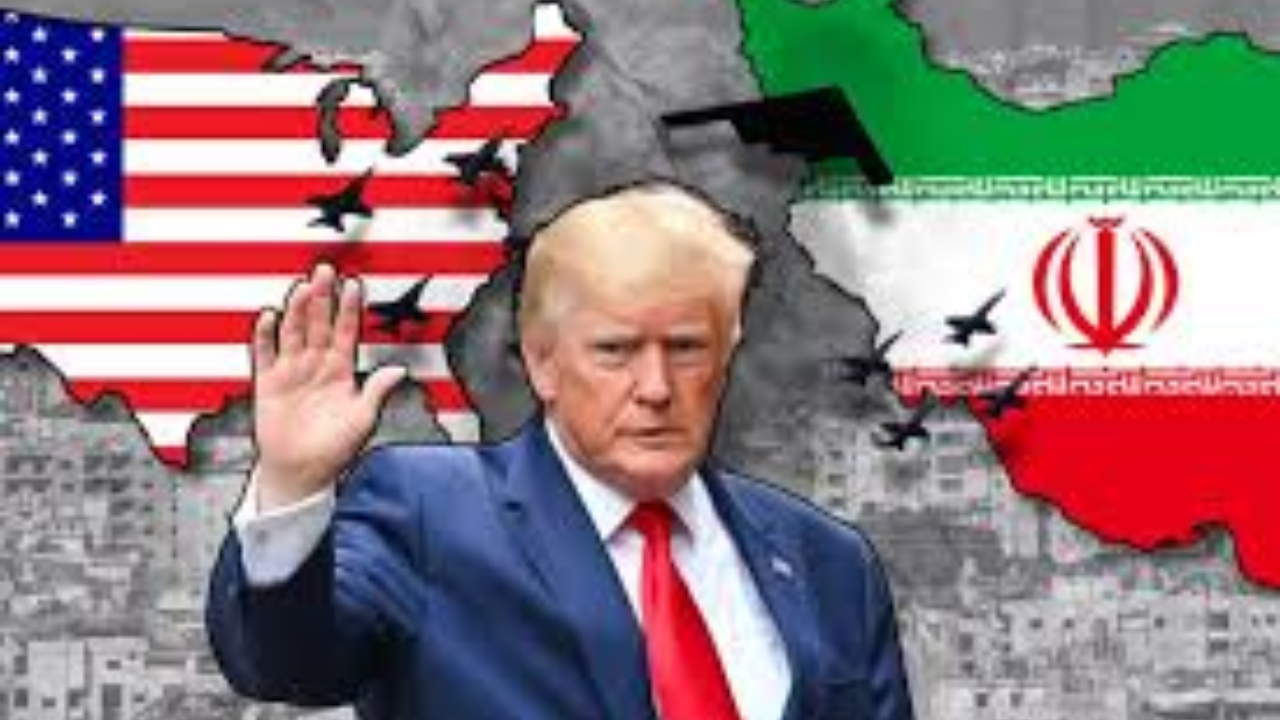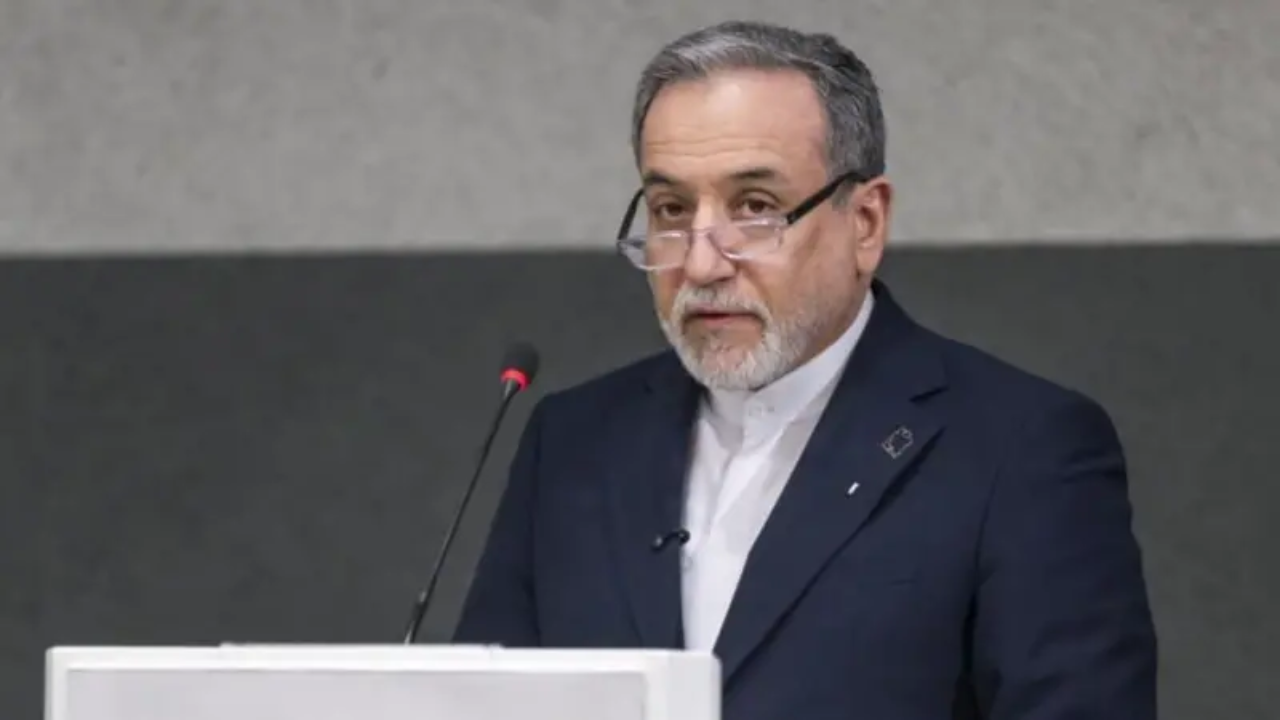
Iranian Foreign Minister Abbas Araghchi has issued a direct challenge to the United States, asserting that Washington can no longer separate its diplomatic efforts with Tehran from the military actions of Israel. According to Araghchi, the U.S. faces a binary choice: enforce a comprehensive regional ceasefire or accept a state of active war fueled by its support for Israel.
Thank you for reading this post, don't forget to subscribe!The Breaking Point: Lebanon and the Islamabad Truce
The statement arrives during a high-stakes, two-week temporary truce brokered by Pakistan on April 7, 2026. While the U.S. and Iran have paused direct hostilities, the regional landscape remains volatile:
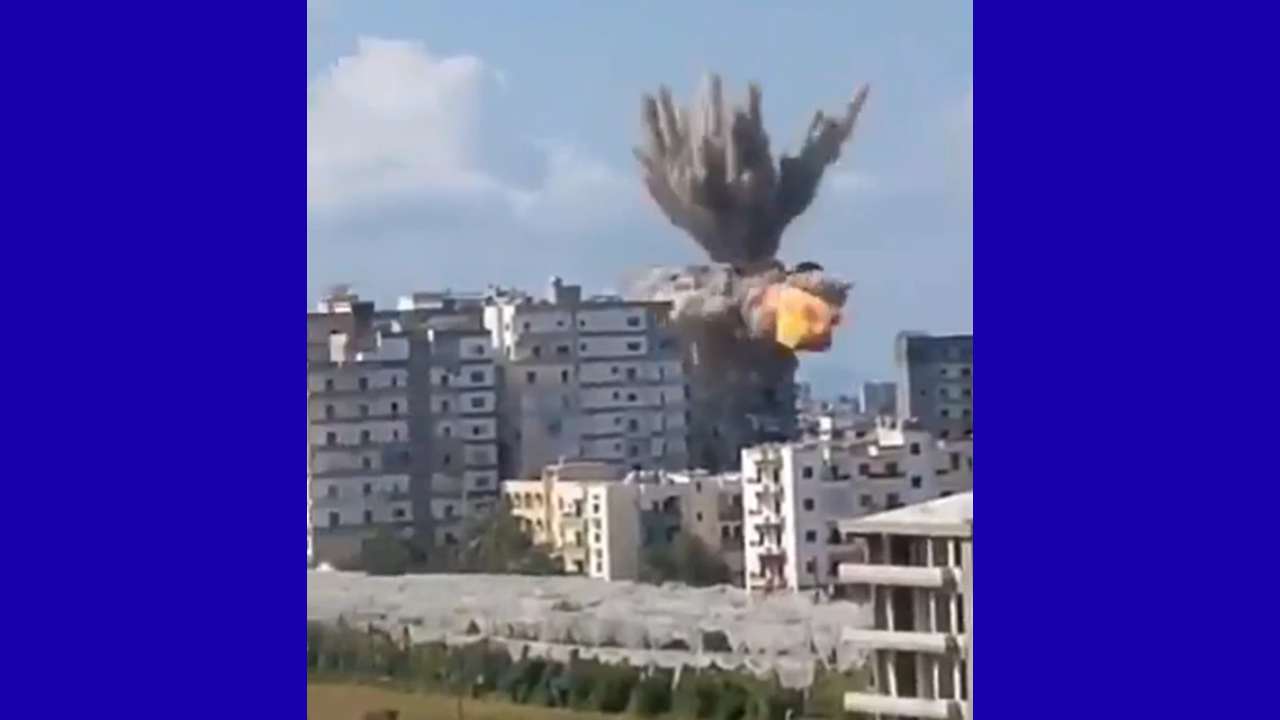
- The Conflict Linkage: Iran argues that the U.S. is attempting to maintain a “private peace” with Tehran while simultaneously supporting Israeli strikes against Hezbollah in Lebanon.
- The Warning: Araghchi made it clear that Iran will not tolerate a “one-sided” ceasefire. If Israeli military operations persist, Tehran views the U.S. as being in a state of war “via Israel,” effectively nullifying the current truce.
The Iranian “10-Point” Exit Strategy
Tehran is leveraging this ultimatum to push its comprehensive 10-point proposal, which it claims is the only path to permanent regional stability. Primary demands include:
- Sanctions & Sovereignty: The total removal of U.S. sanctions and formal recognition of Iran’s right to uranium enrichment.
- Military Realignment: The full withdrawal of U.S. combat troops from the Middle East.
- Maritime Control: Explicit Iranian authority over the Strait of Hormuz, including the right to regulate all international shipping.
A Tenuous Two-Week Window
While President Trump has described the current Islamabad-mediated pause as a “workable basis” for broader negotiations, the military reality remains “hands on the trigger.”
- Shipping Status: Iran has temporarily reopened the Strait of Hormuz for the duration of the two-week truce, but only under the coordination of the IRGC.
- The Risk of Collapse: The Supreme National Security Council in Tehran has warned that any “strategic error” by the U.S. or Israel will result in an immediate return to full-scale kinetic operations.
Bottom Line: Iran is effectively holding the regional ceasefire hostage to Israeli military restraint. By framing the choice as “via Israel,” Araghchi is attempting to force the U.S. into a position where it must either de-escalate its closest ally or prepare for a total collapse of the current diplomatic breakthrough.