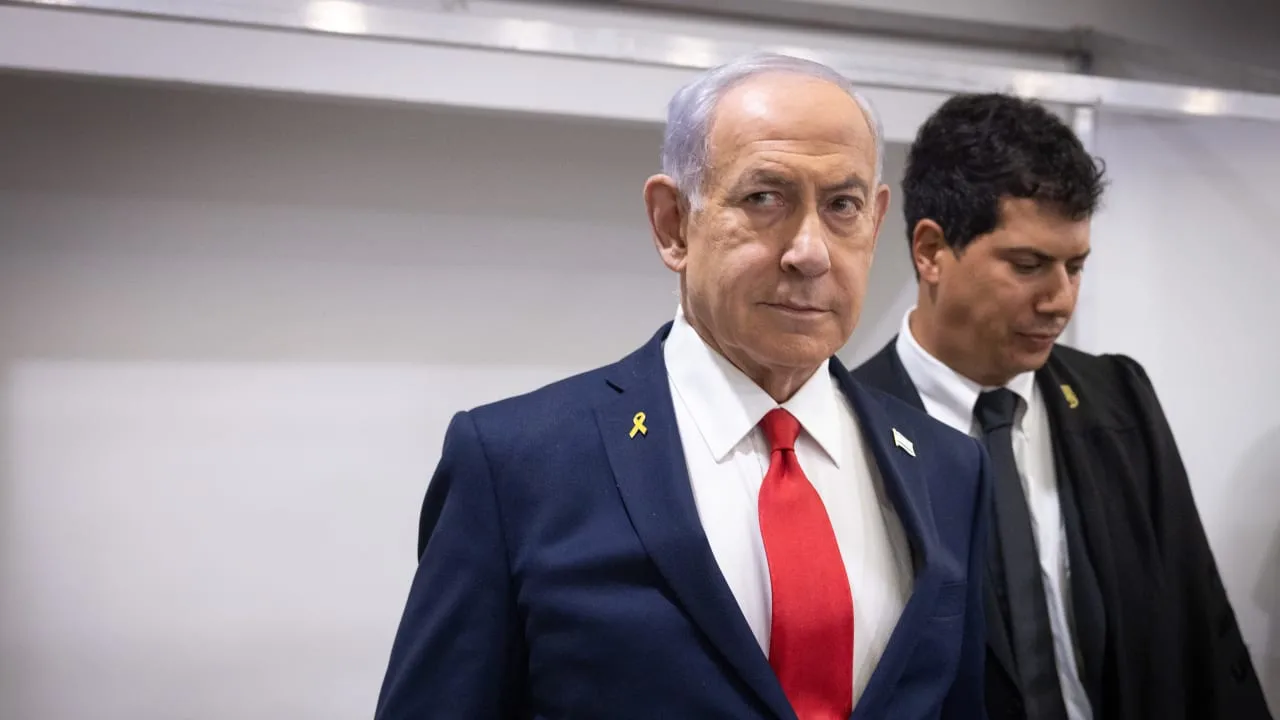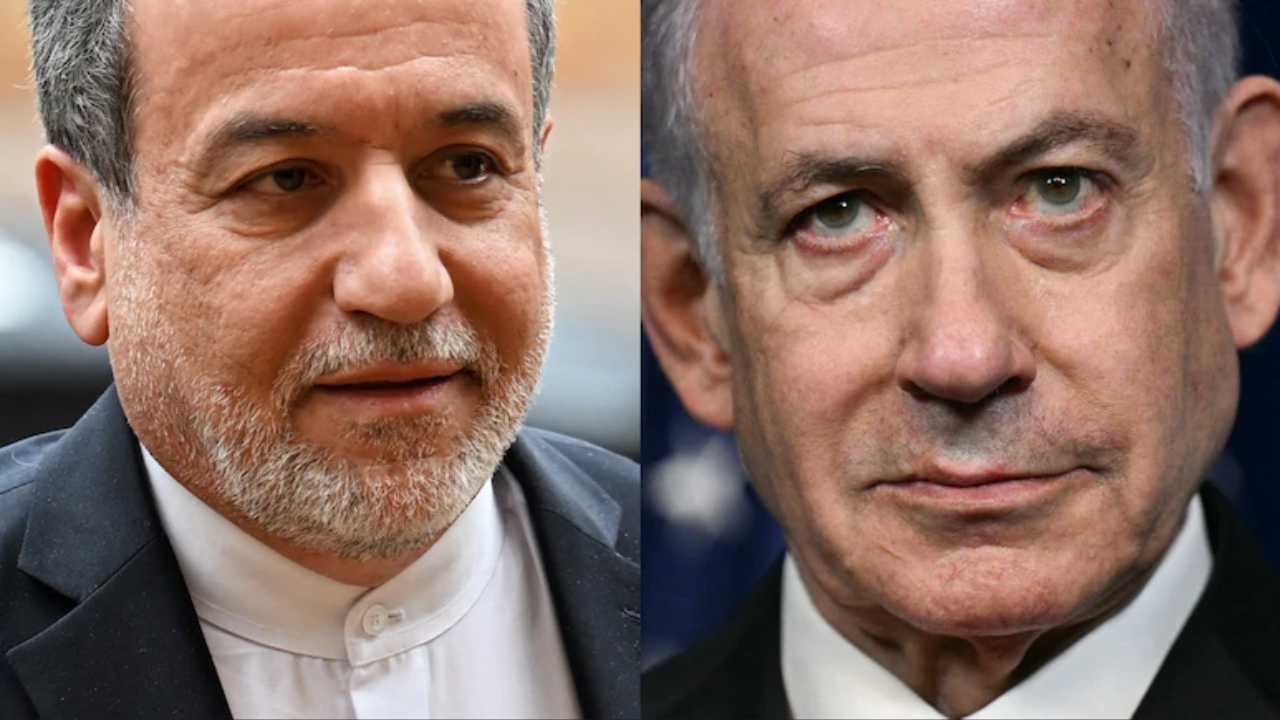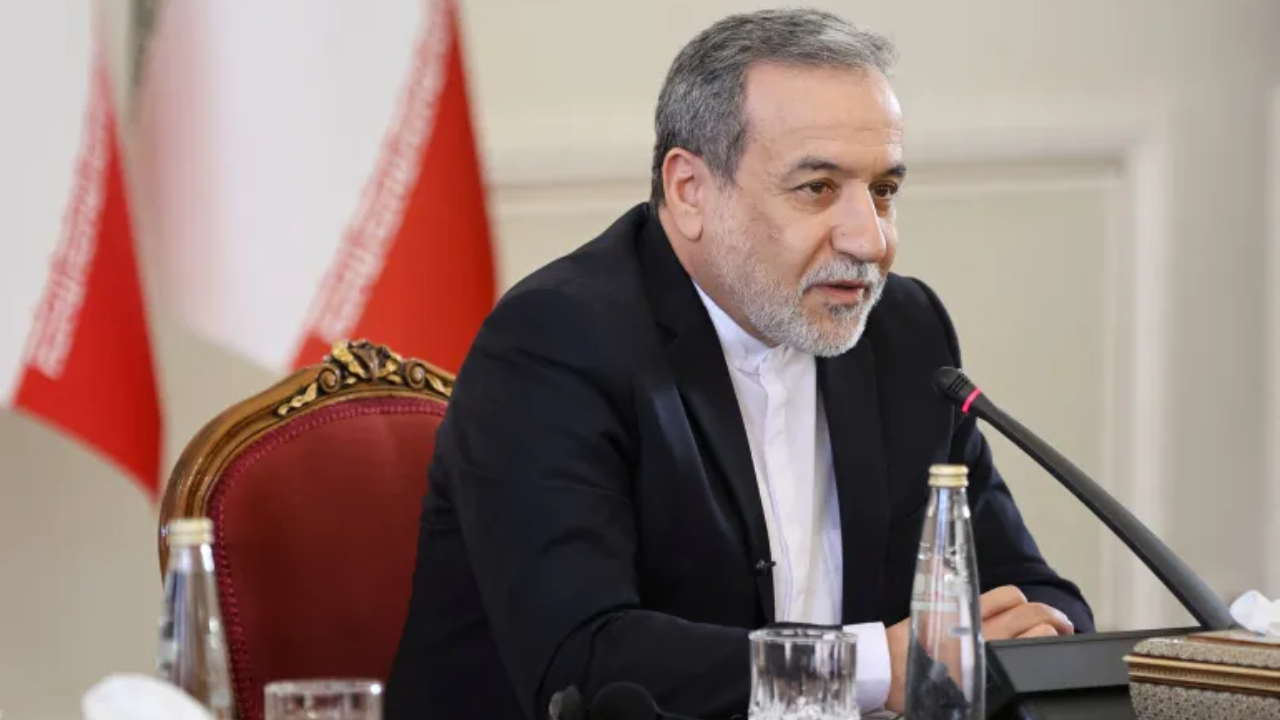
In a sharp diplomatic volley on April 9, 2026, Iranian Foreign Minister Seyed Abbas Araghchi cautioned the United States that allowing Israeli Prime Minister Benjamin Netanyahu to collapse current peace efforts would be a “dumb” strategic move.
Thank you for reading this post, don't forget to subscribe!The Core Arguments
Araghchi’s rhetoric centered on three primary claims regarding the current regional friction:
- Political Survival vs. Peace: Iran contends that Netanyahu is actively obstructing a ceasefire—specifically in Lebanon—to avoid his domestic legal troubles. With his criminal trial resuming this Sunday, Tehran argues that peace would “hasten his jailing.”
- Economic Consequences: Araghchi warned that a return to open conflict would “crater” the U.S. economy, framing the choice to follow Israel’s lead as a self-inflicted financial wound for Washington.
- Strategic Readiness: While advocating for the diplomatic track, Araghchi made it clear that Iran remains “prepared” for a military alternative should the ceasefire fail.
What’s at Stake: The Islamabad Summit
The timing of this warning is critical as both nations head toward the Islamabad Talks in Pakistan this weekend.
| The Players | The Objective |
| U.S. Vice President JD Vance | To stabilize the region and extend the current 14-day truce. |
| Mohammad Baqer Qalibaf | To represent Tehran’s interests and negotiate the “Lebanon Loophole.” |
Bottom Line
Tehran is effectively positioning Netanyahu as the primary obstacle to Middle Eastern stability. By framing the situation as a choice between “diplomacy or economic ruin,” Iran is putting the onus on the Biden-Vance administration to restrain their ally before the Islamabad summit begins.