The joint U.S.-Israeli air campaign has entered its third day of heavy bombardment across the Iranian capital. Following the confirmed death of Supreme Leader Ayatollah Ali Khamenei, the city remains in a state of shock, characterized by a mix of military mobilization and eerie silence.
Thank you for reading this post, don't forget to subscribe!The Scene in the Capital
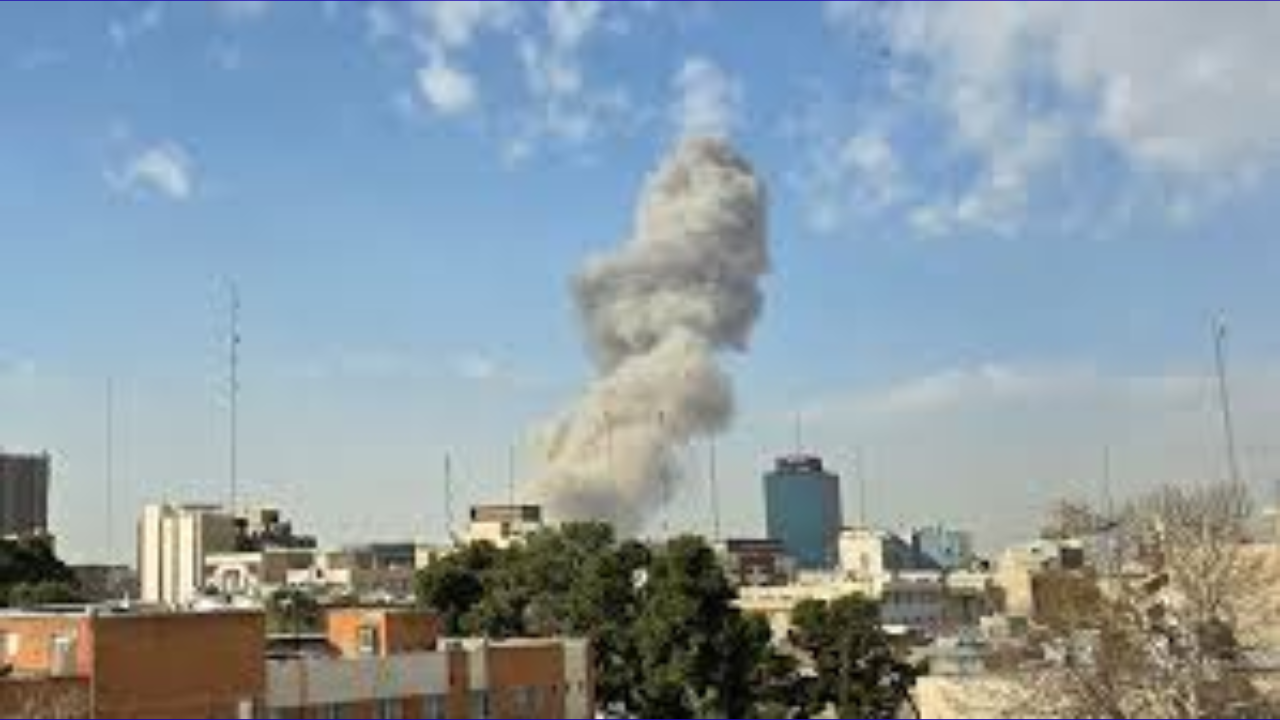
Visuals emerging from Tehran depict a metropolis drastically transformed:
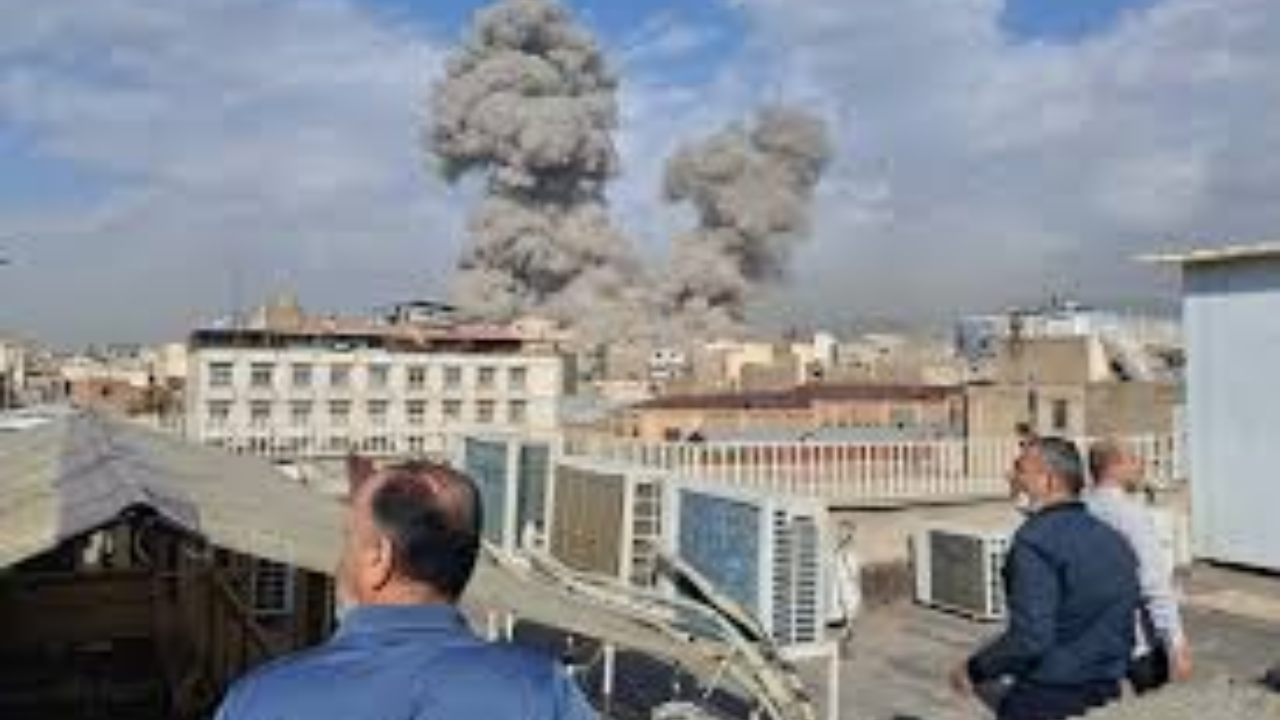
- Shattered Infrastructure: Heavy damage has been documented at the IRIB headquarters and Gandhi Hospital, where medical staff were forced to evacuate patients amidst falling debris.
- A City Stalled: The usually congested highways are now largely empty, replaced by Revolutionary Guard checkpoints and Basij paramilitary patrols.
- Visual Symbols: Photos of rubble-strewn streets and downed posters of the late Supreme Leader have become the defining images of the regime’s current vulnerability.
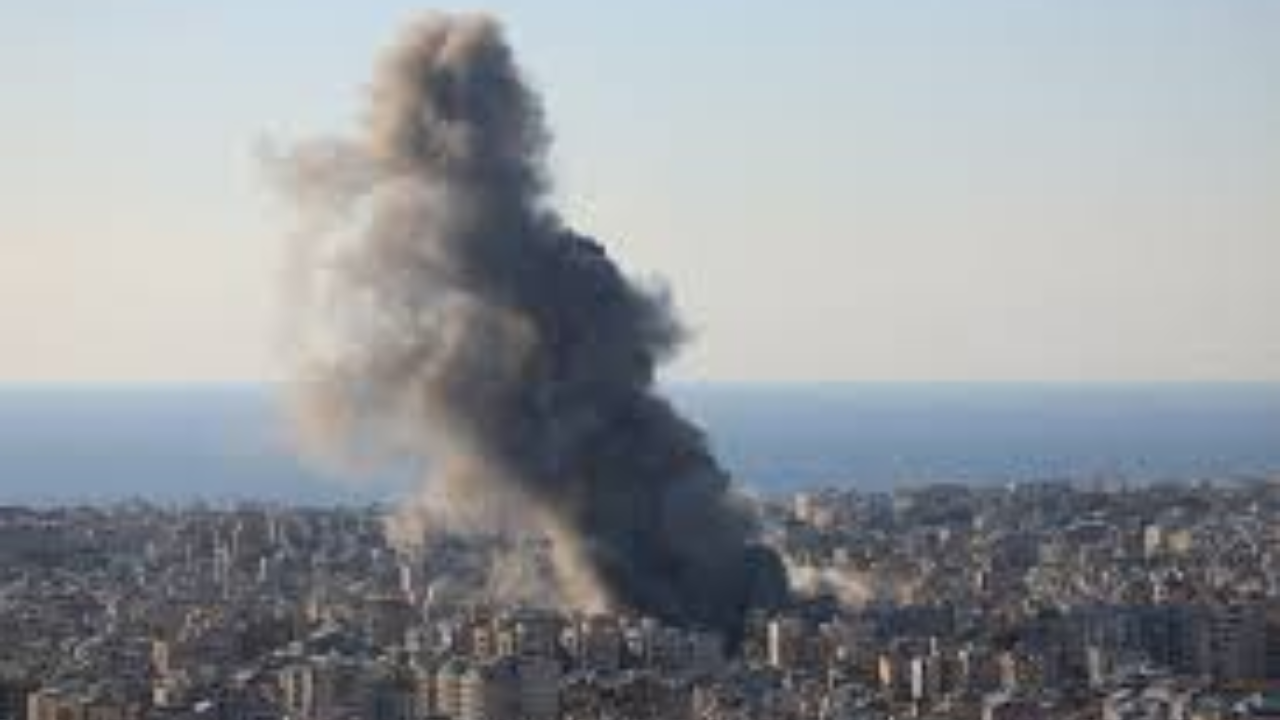
- Plumes Over the Skyline: Black smoke continues to billow from the northern and southern districts as tactical strikes hit key command centers.
Conflict Status Report
| Category | Current Status |
| Primary Targets | IRGC facilities, air defense batteries, and the Natanz nuclear complex. |
| Regional Fallout | Active strikes in Beirut, Iraq, and Syria targeting Iranian proxies. |
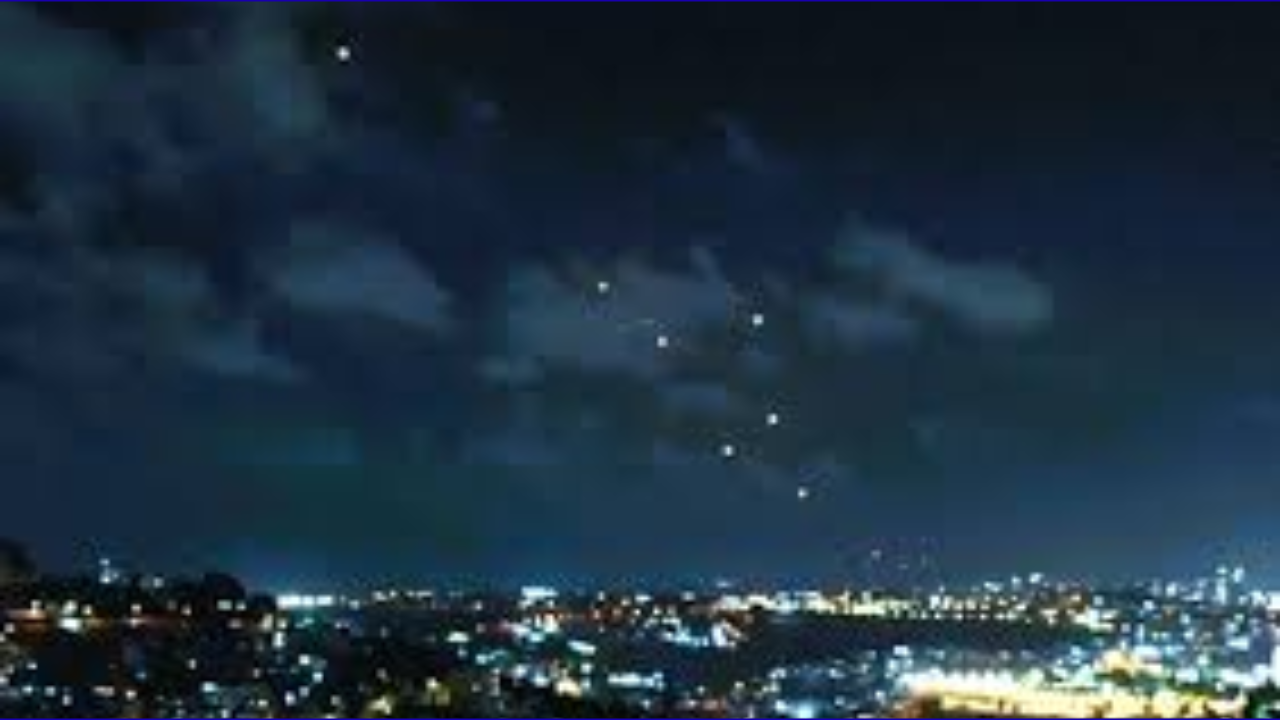
| Iranian Response | Massive drone and missile salvos launched toward Israel and U.S. bases in Bahrain and Qatar. |
| Global Economy | European gas prices have surged 50% following a halt in Qatari LNG production. |
The Human & Political Toll
While the military campaign intensifies, the humanitarian situation is deteriorating. Residents report widespread utility outages and a scramble for basic groceries. Politically, the vacuum left by Khamenei’s death has triggered a frantic and uncertain power struggle within the remaining leadership.