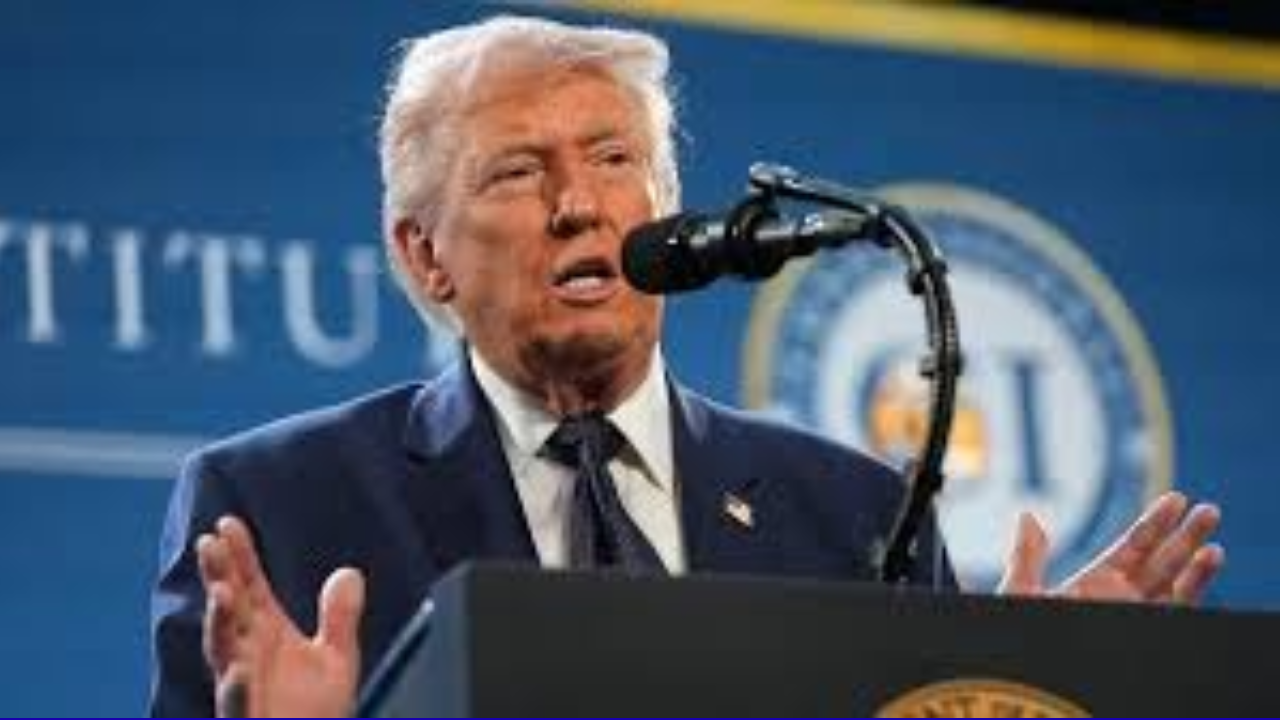
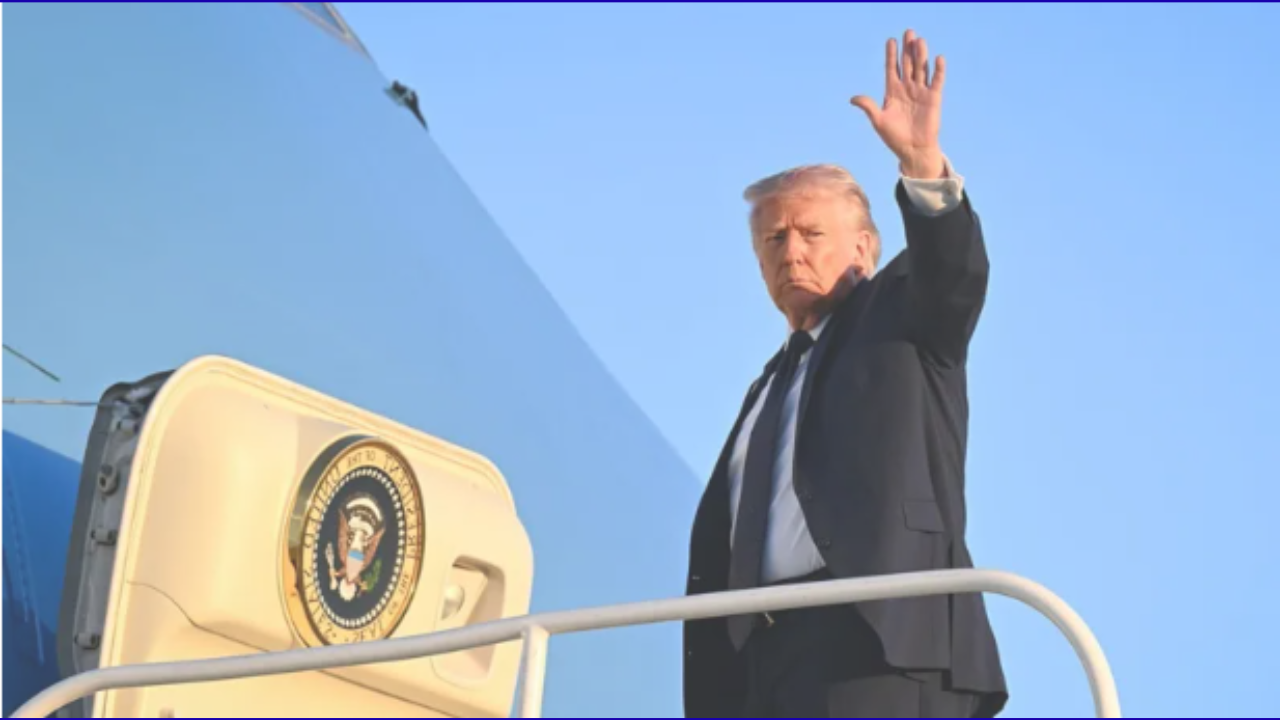
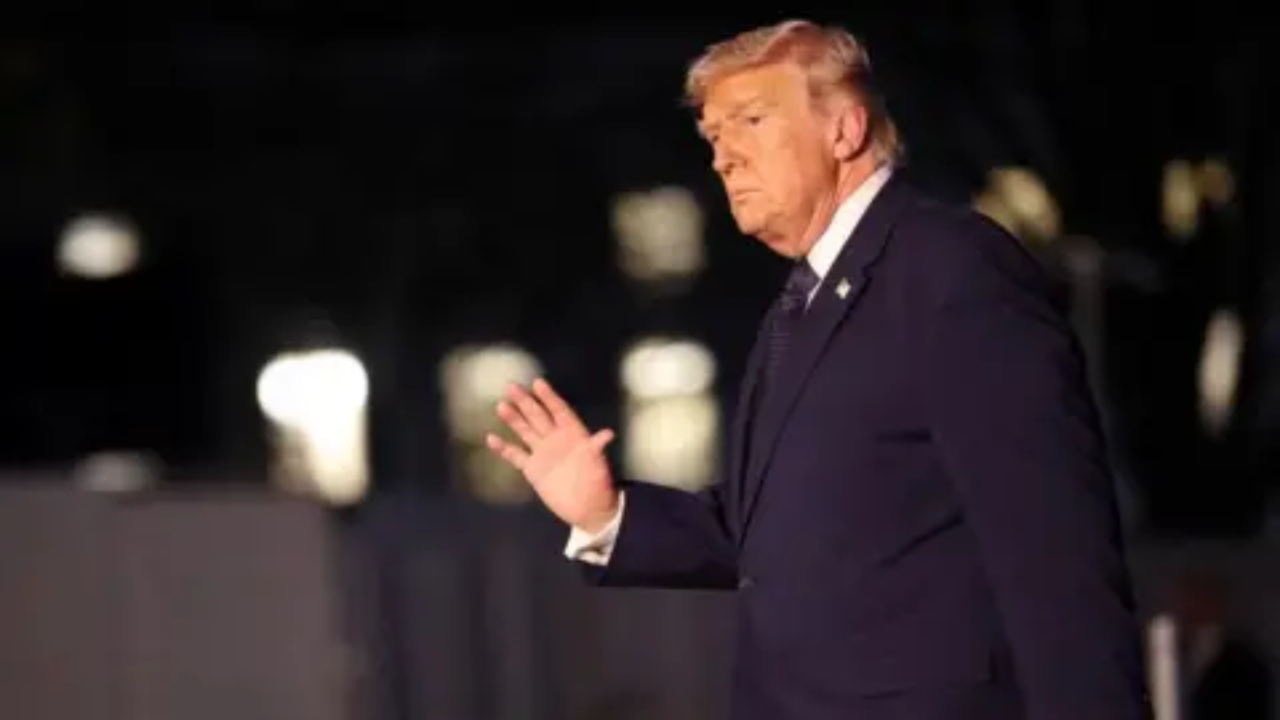
A bipartisan group of US lawmakers is raising the alarm over President Donald Trump’s new H-1B visa proclamation, urging him to immediately drop the $100,000 application fee and other restrictions. They warn that the policy directly threatens America’s lead in Artificial Intelligence (AI) and strains the crucial strategic partnership with India.
Thank you for reading this post, don't forget to subscribe!The Core Argument: A Threat to Innovation and the India Tie
In a letter to the President, Representatives Jimmy Panetta, Ami Bera, Salud Carbajal, and Julie Johnson called for the suspension of the September 19th order. Their message is clear: the United States cannot afford to lose its competitive edge by shutting out high-skilled global talent.
- AI Leadership at Risk: Lawmakers emphasized that Indian nationals, who make up the largest share of H-1B recipients (71% last year), are “central to US leadership” in information technology and AI. At a time when China is aggressively investing in advanced technologies, they argue, the US must continue to attract the world’s best talent.
- A “Cornerstone” of US Competitiveness: The H-1B program is described as vital for innovation in STEM fields. H-1B professionals are credited with boosting patent production and business formation, ultimately complementing rather than displacing American workers.
- The Startup Killer: The exorbitant $100,000 fee, a massive jump from previous costs, would effectively limit the program to only large corporations. This move would price out startups and critical research institutions that rely heavily on specialized, foreign expertise to grow and compete.
- Diplomatic Consequences: Restricting the flow of high-skilled Indian talent risks weakening ties with India, a “key democratic partner” in the Indo-Pacific region, at a time when the strategic relationship is more critical than ever.
The lawmakers concluded that preserving the H-1B program is not merely about filling jobs, but about “securing US leadership” in the industries that will define global power in the 21st century.
Would you like a summary of the H-1B fee’s specific impact on smaller US tech companies?