In the landmark case Learning Resources, Inc. v. Trump, the Supreme Court ruled that President Trump exceeded his constitutional authority by unilaterally imposing sweeping global tariffs under the International Emergency Economic Powers Act (IEEPA). The 6–3 decision held that the power to tax—which includes tariffs—belongs exclusively to Congress under Article I of the Constitution.
Thank you for reading this post, don't forget to subscribe!The Judicial Split
| Decision | Justices |
| Majority (6) | John Roberts (Chief), Neil Gorsuch, Amy Coney Barrett, Sonia Sotomayor, Elena Kagan, Ketanji Brown Jackson |
| Dissenting (3) | Clarence Thomas, Samuel Alito, Brett Kavanaugh |
Key Rulings & Legal Logic
- Congressional Power: Chief Justice John Roberts wrote that while the IEEPA allows the president to “regulate” importation during emergencies, it does not grant the power to impose taxes (tariffs).
- The “Major Questions” Doctrine: The majority argued that because the tariffs were of such “vast economic significance,” the President needed explicit, unambiguous authorization from Congress, which the 1977 law did not provide.
- The Dissent: Justices Kavanaugh, Thomas, and Alito argued that the law was intended to give the President flexibility to respond to foreign threats and that “regulating” commerce has historically included the use of duties.
What Happens Now?
- Immediate Relief: The broad “reciprocal” tariffs and duties tied to fentanyl trafficking (affecting Canada, Mexico, and China) were effectively invalidated.
- Refund Uncertainty: Estimates suggest the federal government may owe importers upwards of $175 billion to $200 billion in refunds for tariffs already collected, though the Court left the specific refund process to be settled by lower courts.
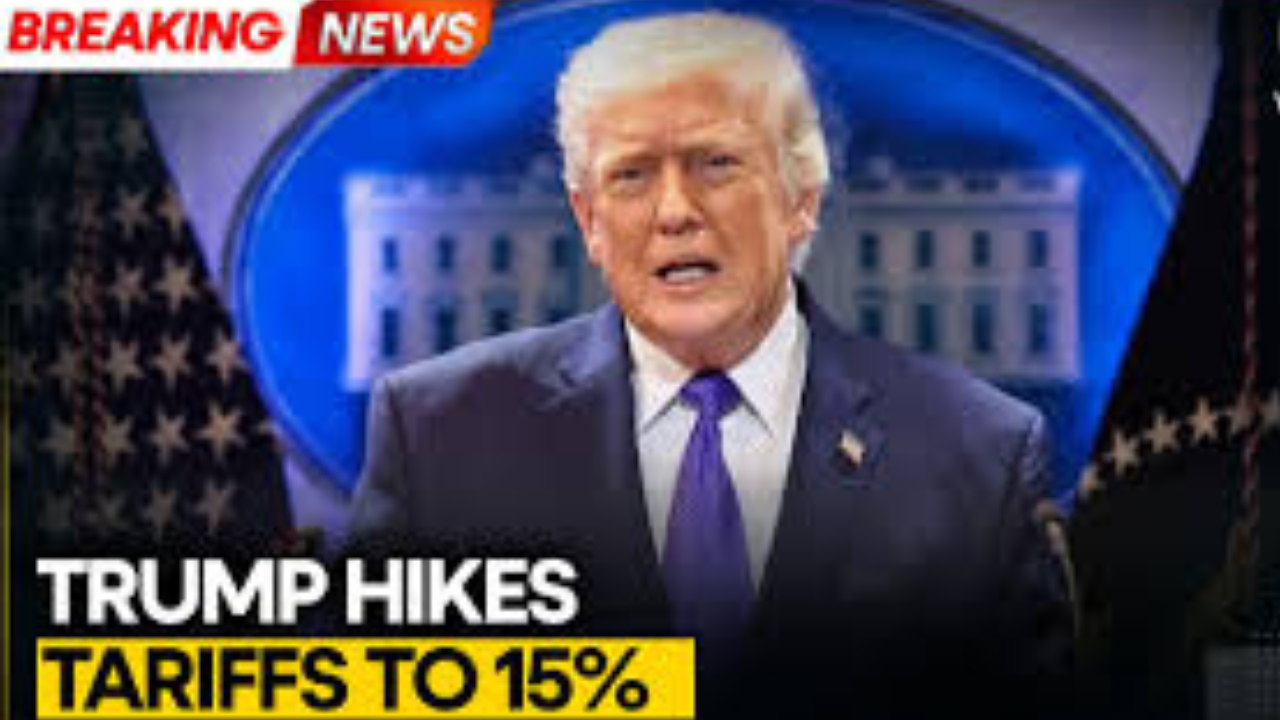
- The “Plan B” Response: Just hours after the ruling, President Trump criticized the decision as a “disgrace” and announced he would immediately sign a new executive order for a 10% global tariff using Section 122 of the Trade Act of 1974—a different legal authority that allows for temporary 150-day tariffs.