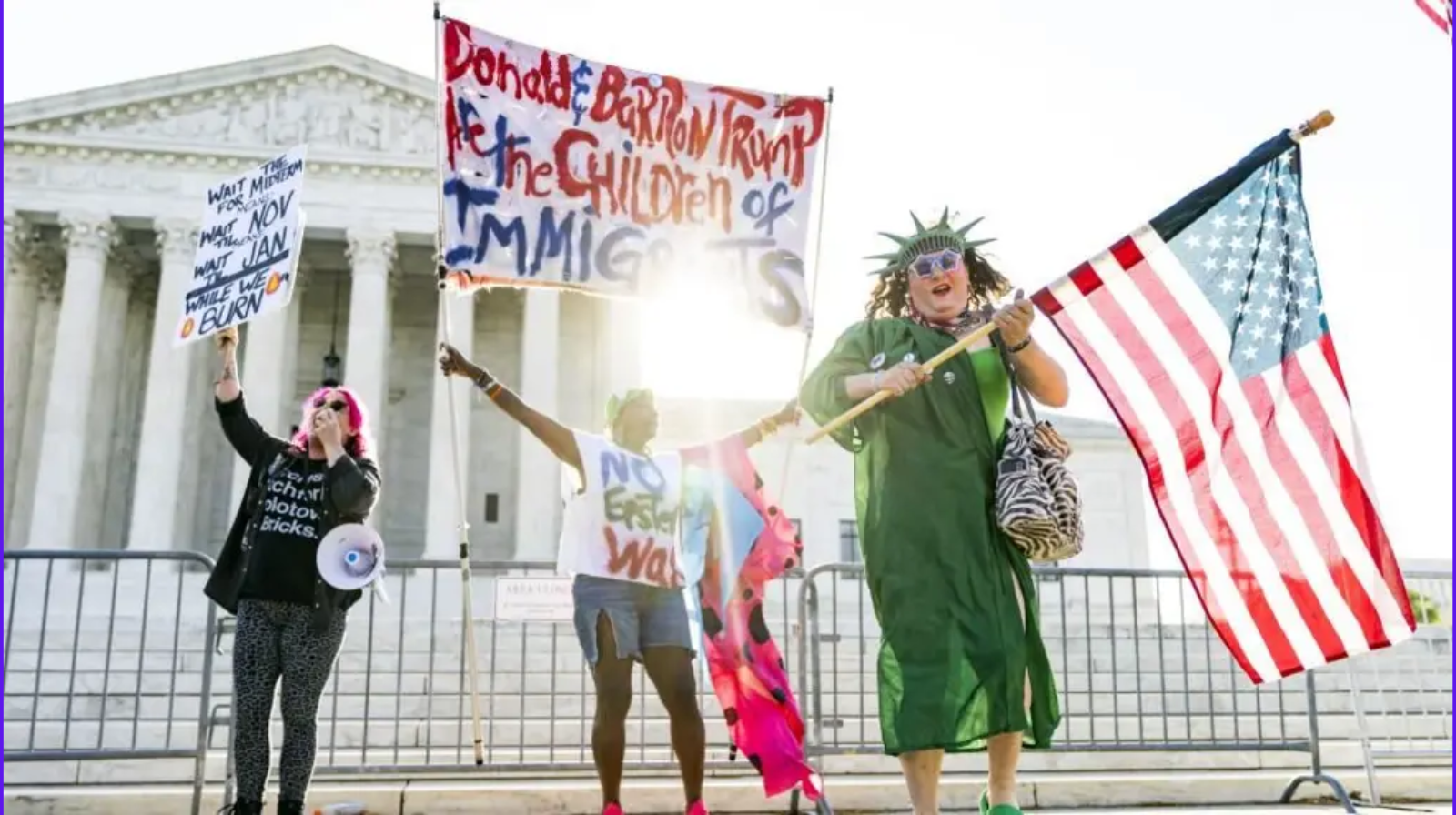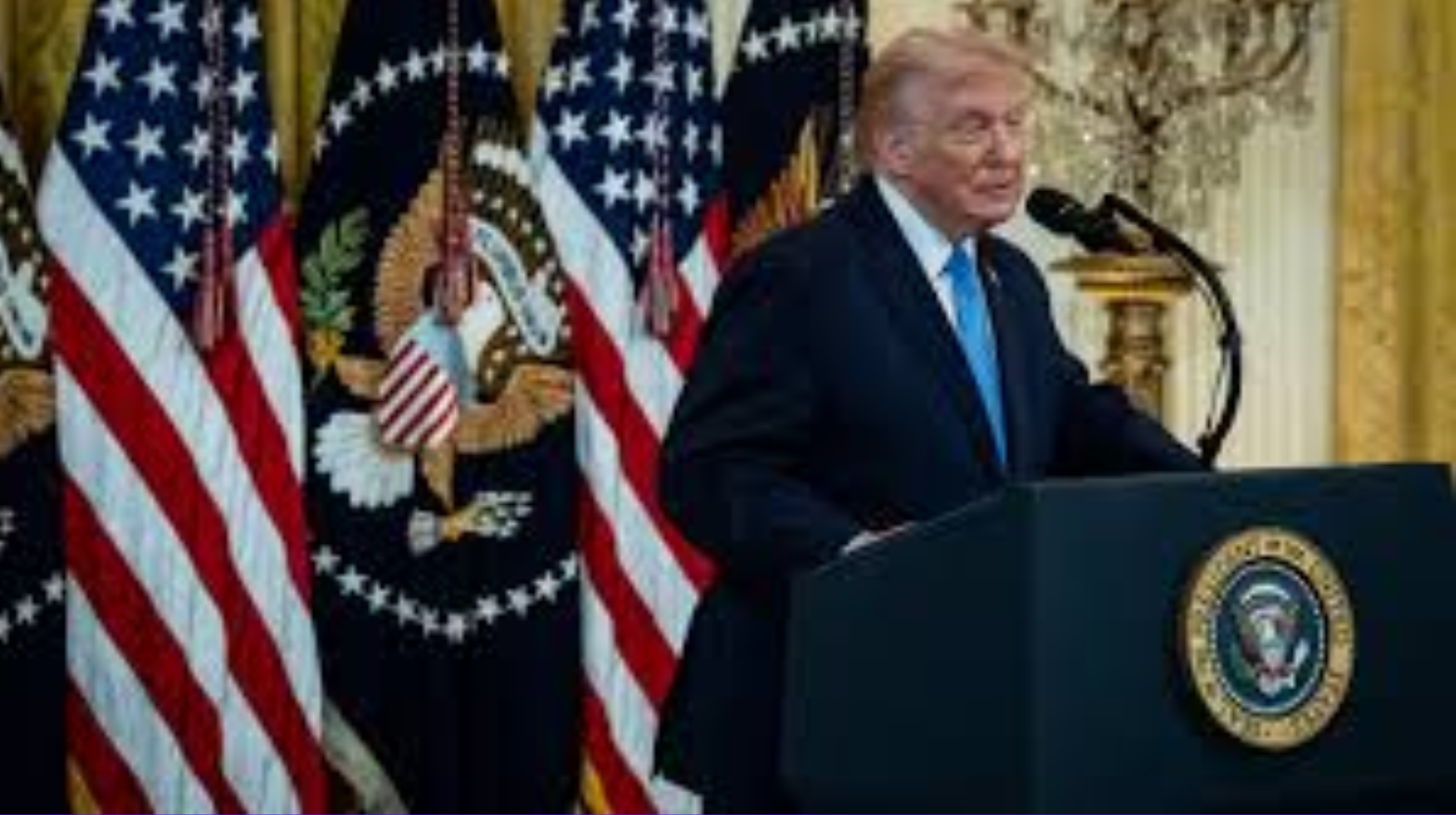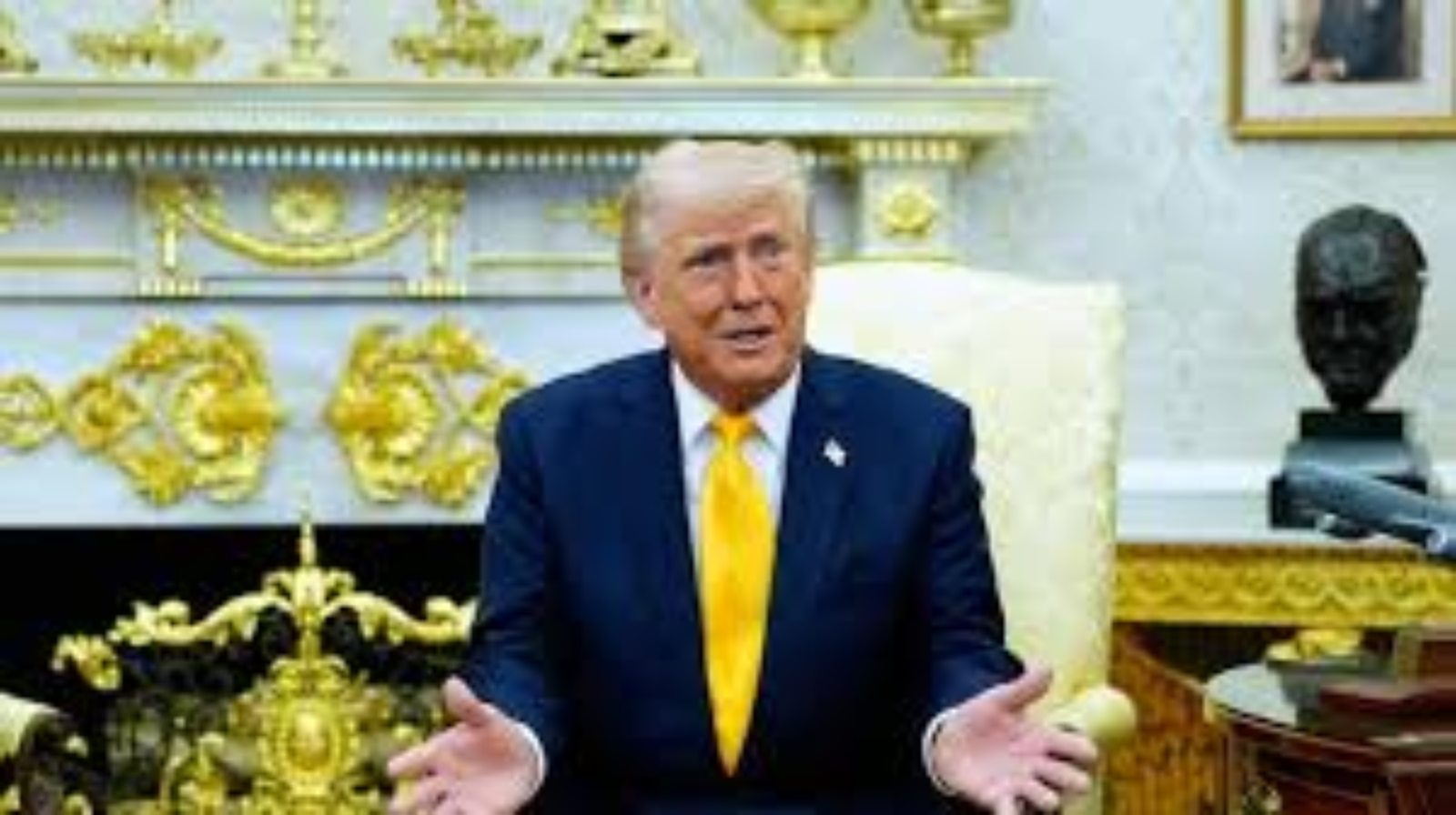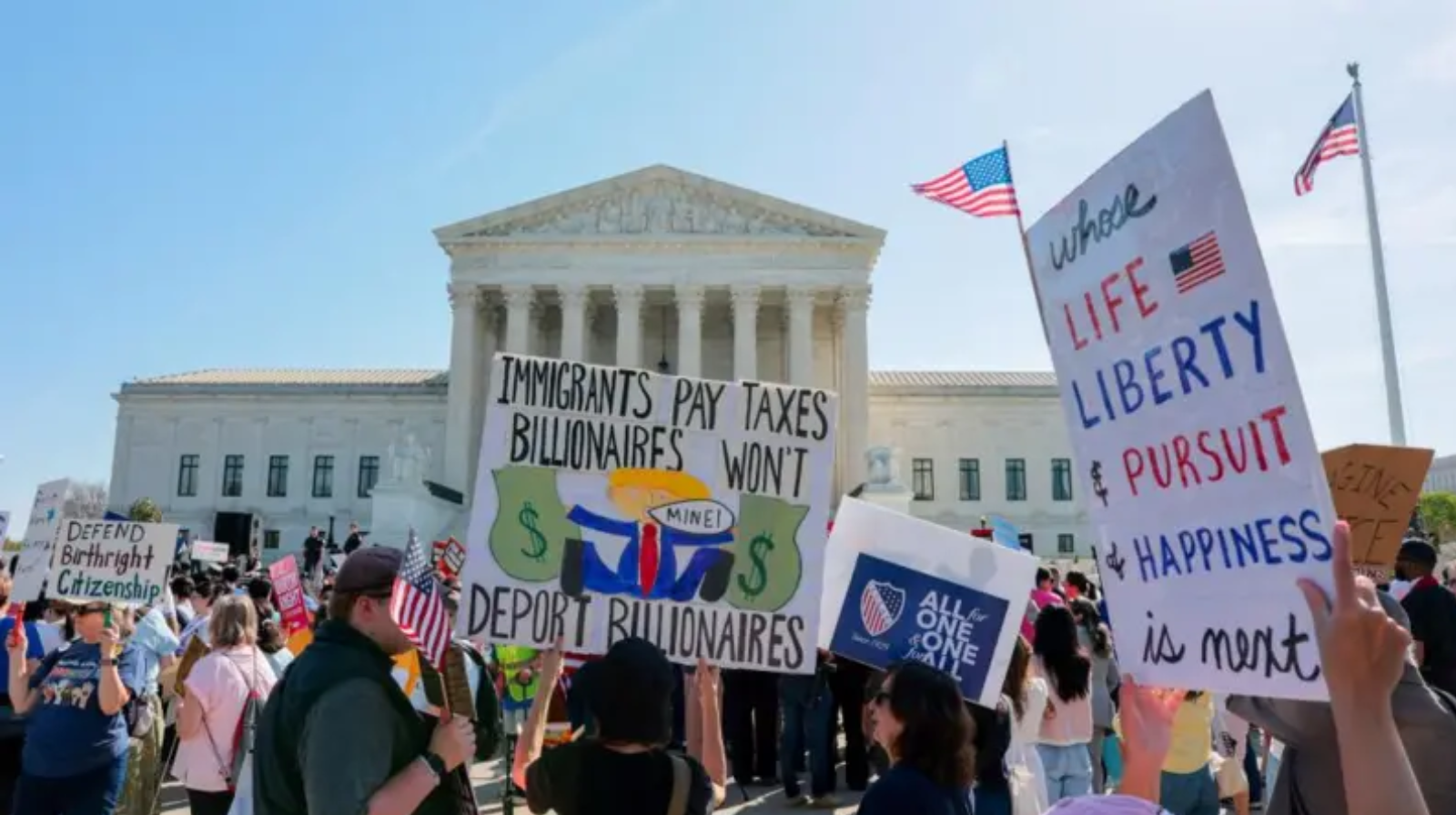
Arguments heard on April 1, 2026, suggest the Trump administration faces a difficult path in its quest to end birthright citizenship. The case, Trump v. Barbara, reviews a 2025 executive order targeting the citizenship status of children born in the U.S. to non-permanent residents.
Thank you for reading this post, don't forget to subscribe!Core Arguments and Judicial Pushback
- Lack of Textual Basis: Justices, including Amy Coney Barrett, noted that the term “domicile” is absent from the Amendment’s text.
- Historical Precedent: The court questioned the administration’s interpretation of United States v. Wong Kim Ark (1898), which has long served as the legal bedrock for birthright citizenship.
- Practicality: Justice Ketanji Brown Jackson highlighted the “delivery room” logistics, questioning how hospitals would be expected to adjudicate immigration status at birth.
- Executive Reach: Chief Justice John Roberts expressed skepticism toward the administration’s narrow definitions of jurisdiction, labeling parts of the argument “quirky.”
Timeline and Implications
The administration is appealing lower court rulings that have already labeled the executive order unconstitutional. A final decision from the Supreme Court is expected by late June or early July 2026. If the court rules against the administration, it would affirm that ending birthright citizenship requires a Constitutional Amendment rather than an executive order.