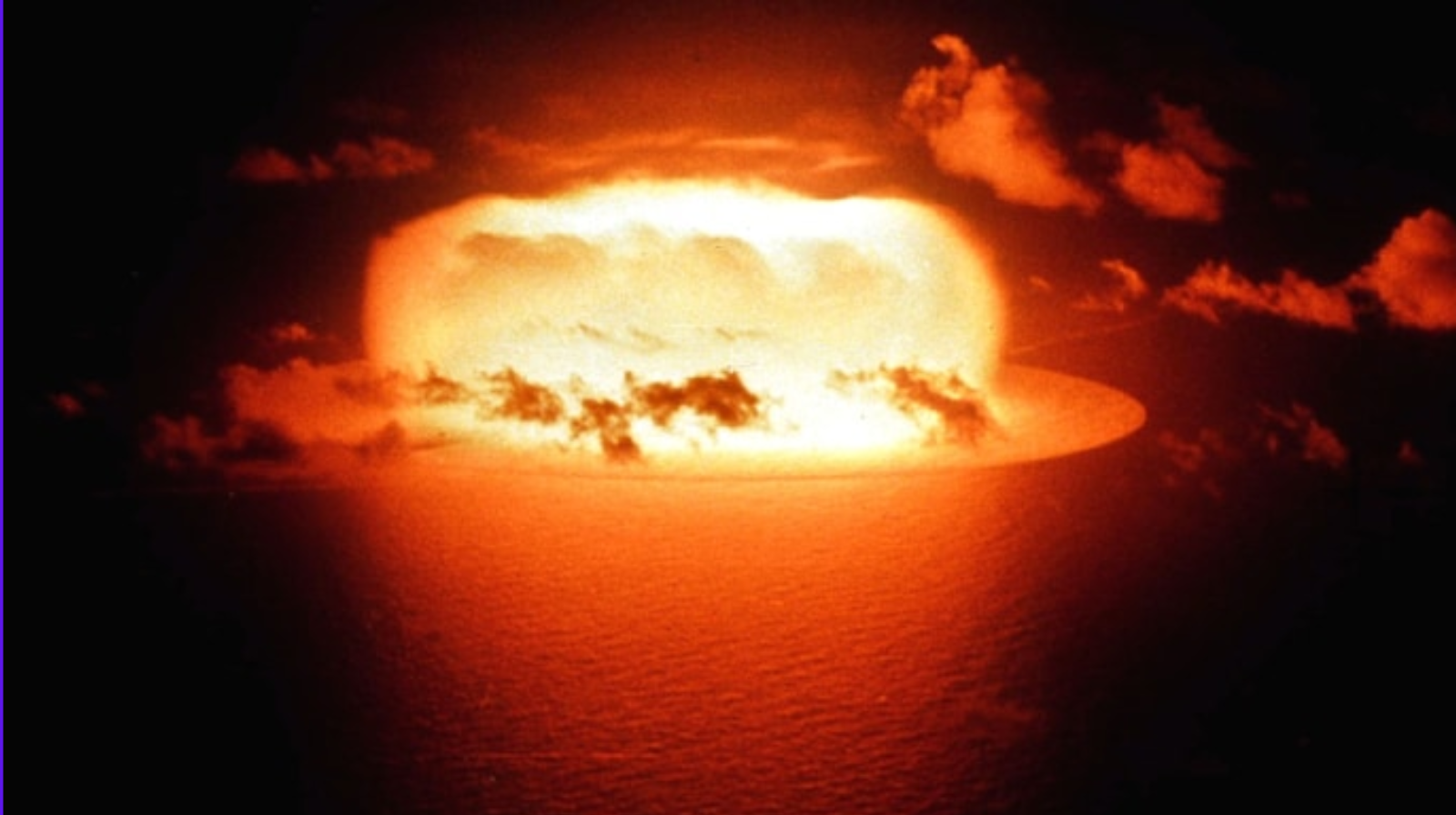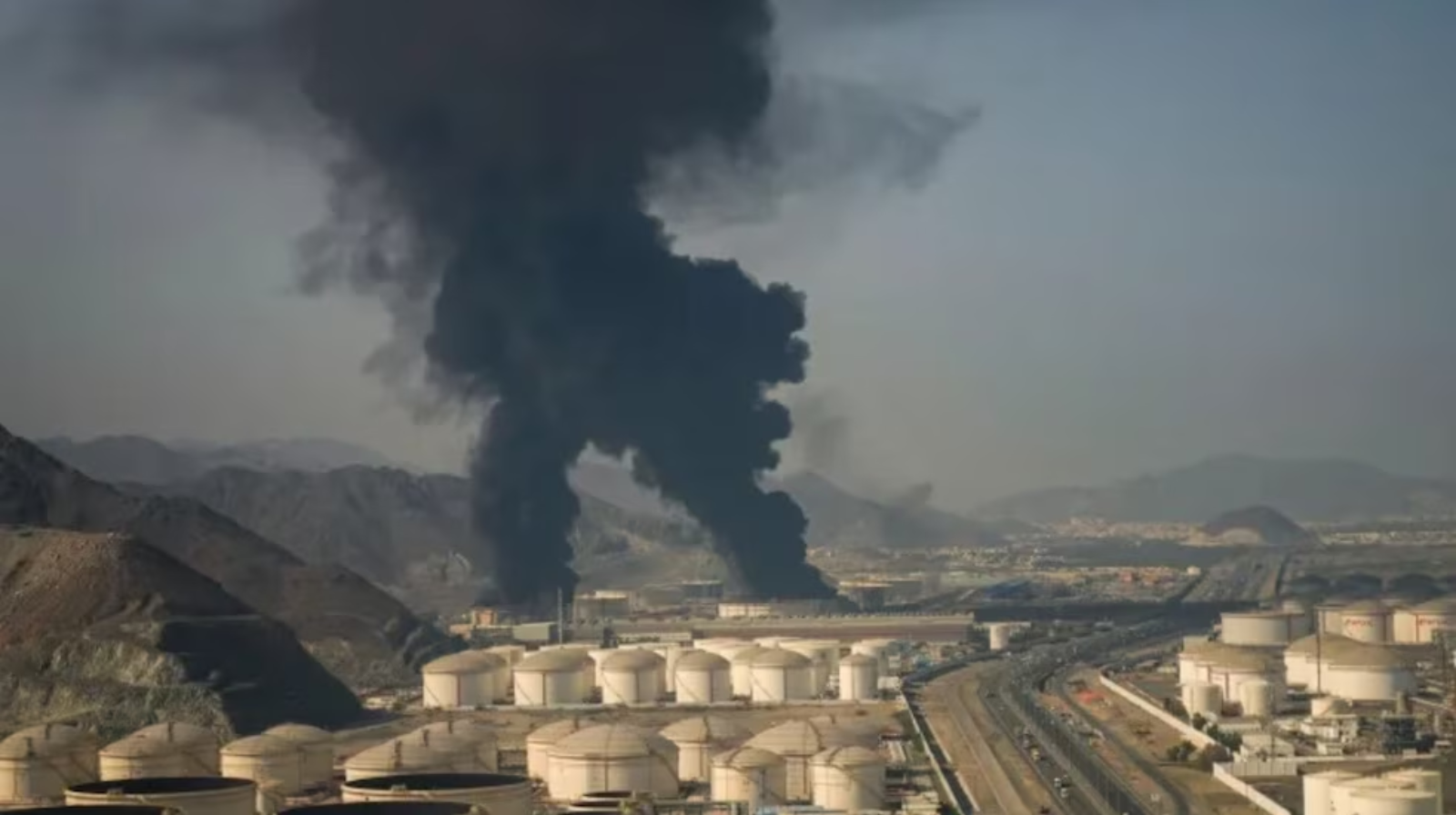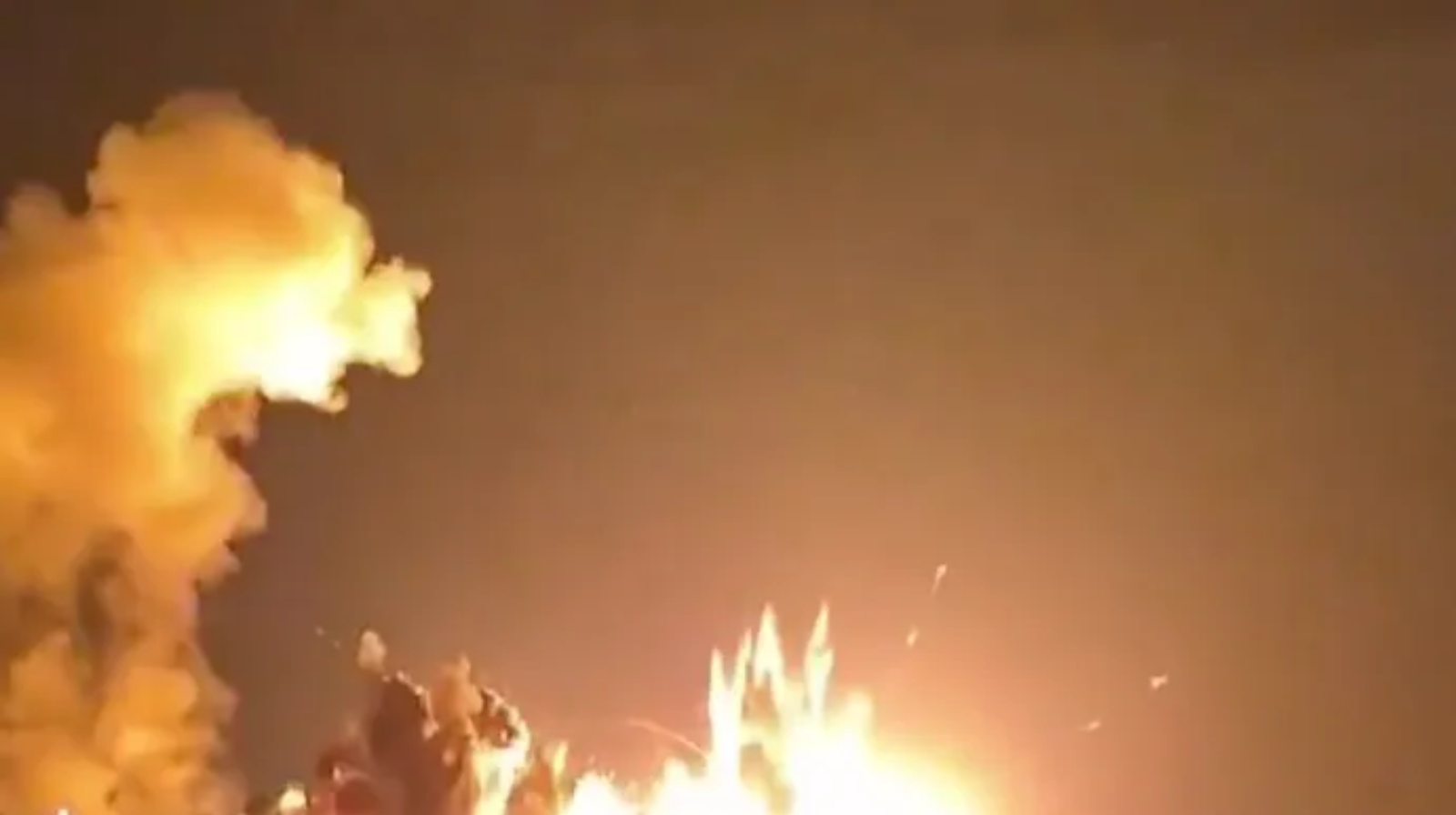
On March 31, 2026, a joint military operation targeted a critical Iranian weapons facility in Isfahan, marking a significant escalation in regional hostilities. The strike, characterized by massive secondary explosions, hit one of the regime’s most sensitive military hubs.
Thank you for reading this post, don't forget to subscribe!Operation Overview
- The Target: The Mount Soffeh ammunition depot, a primary storage site for the Iranian Army located near the strategic Badr airbase.
- Tactical Execution: U.S. and Israeli forces reportedly deployed 2,000-pound bunker-buster bombs. These precision-guided penetrators were designed to reach hardened, underground sections of the facility.
- The Fallout: The initial impact triggered a chain reaction of munitions, creating fireballs visible across the city of 2.3 million. Defense analysts suggest the site may have also housed sensitive materials related to Iran’s nuclear program.
Political & Social Media Response
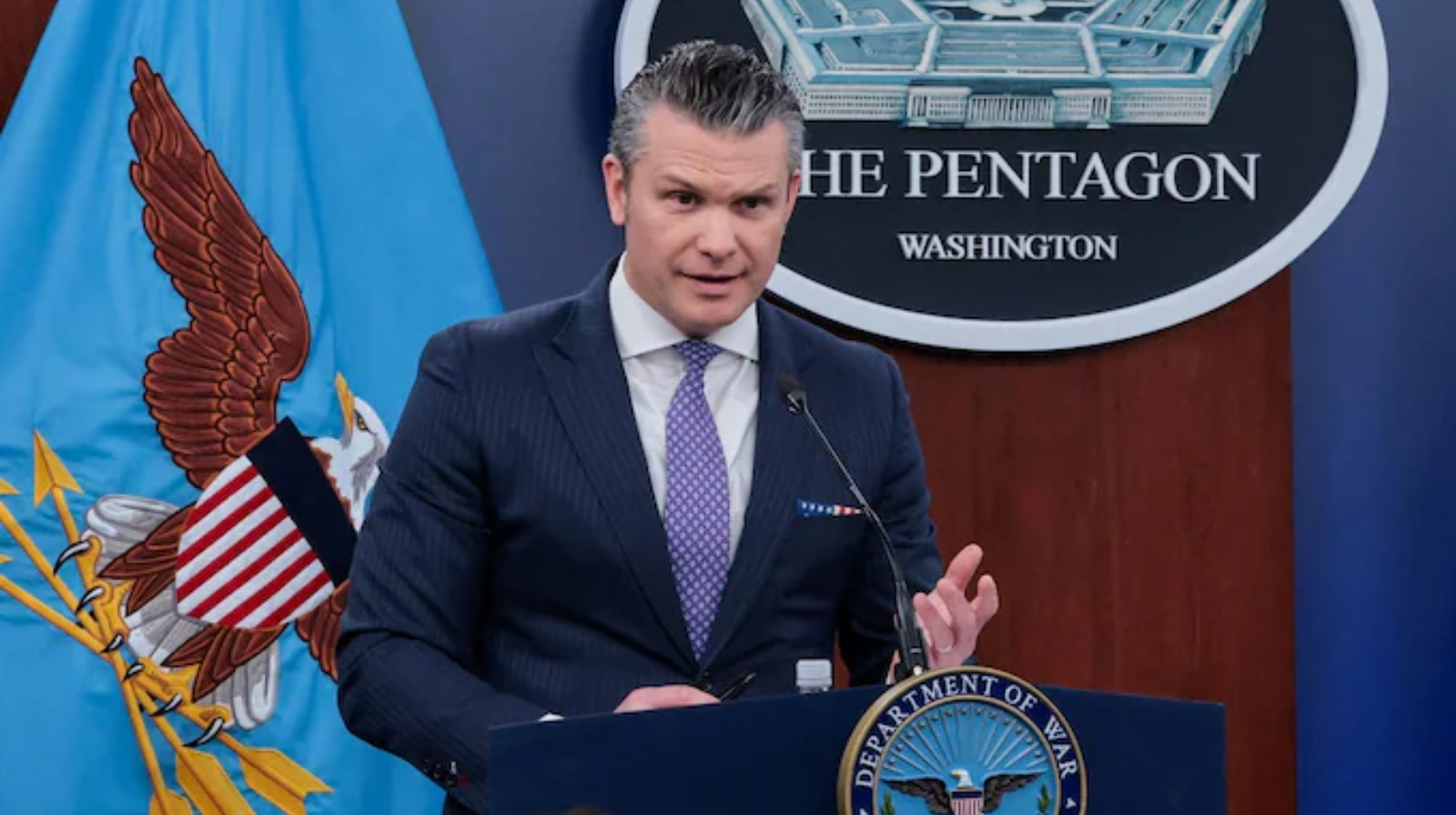
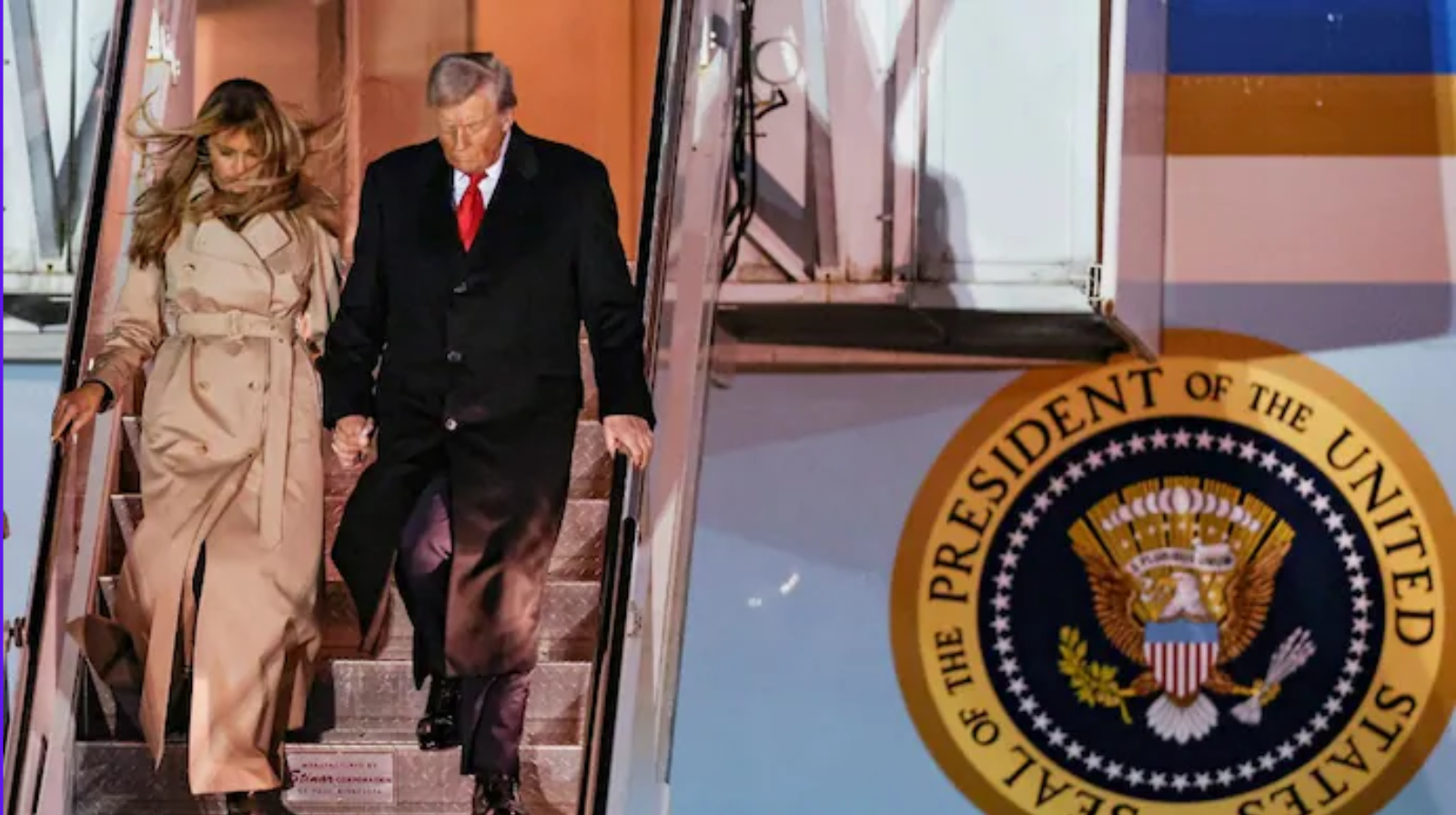
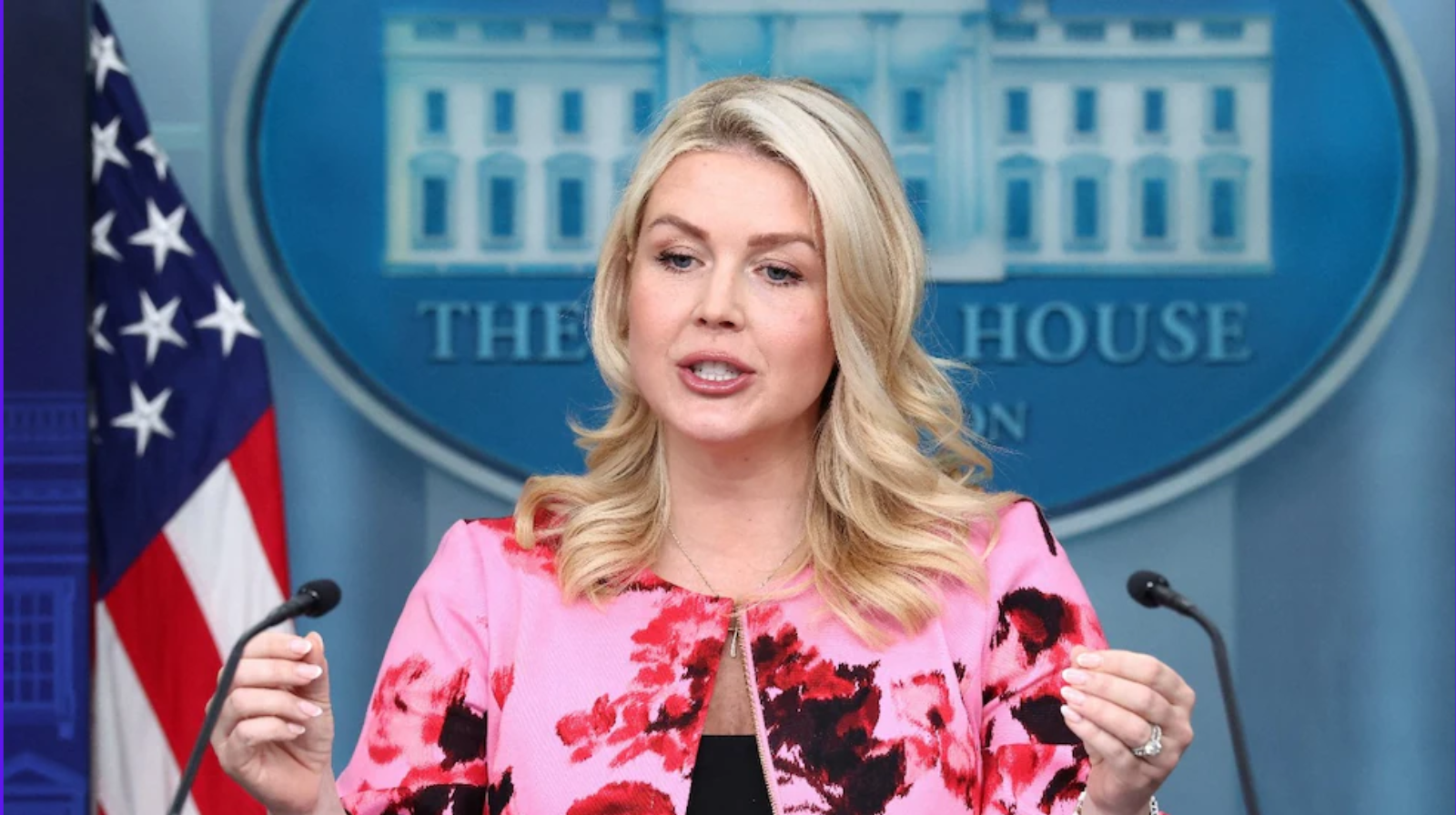
- Context: The post, shared without a caption, followed the President’s recent ultimatum threatening the destruction of Iran’s energy infrastructure—specifically oil wells and Kharg Island—unless the Strait of Hormuz is reopened and a new deal is reached.
Regional Consequences
The strike has immediately triggered a series of retaliatory actions and heightened alerts:
- Aerial Combat: The IRGC claimed to have downed a U.S. MQ-9 Reaper drone over Isfahan shortly after the blasts.
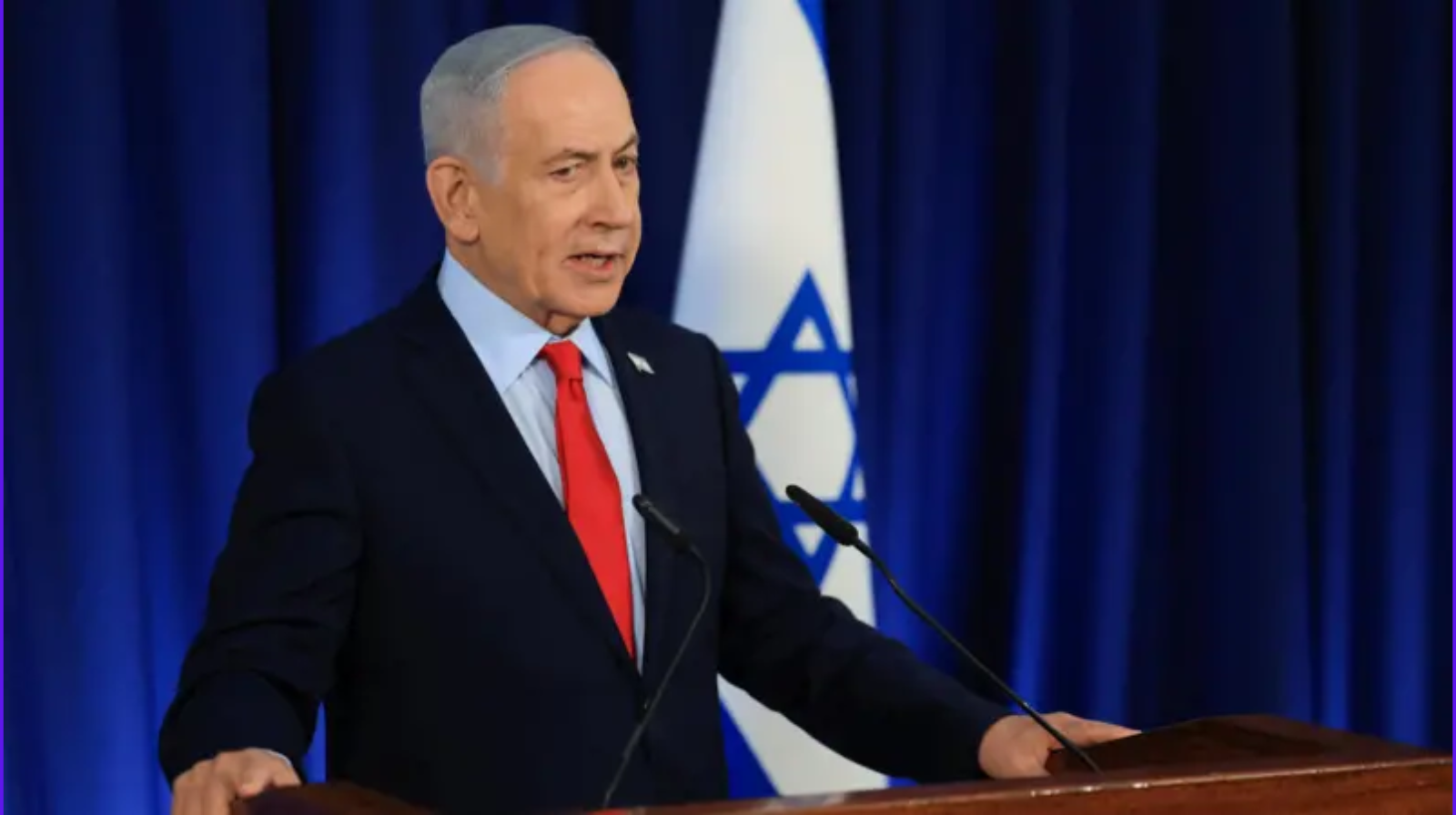
- Missile Exchange: Air defense sirens were reported in Jerusalem as the IDF intercepted a volley of missiles launched from Iranian territory.
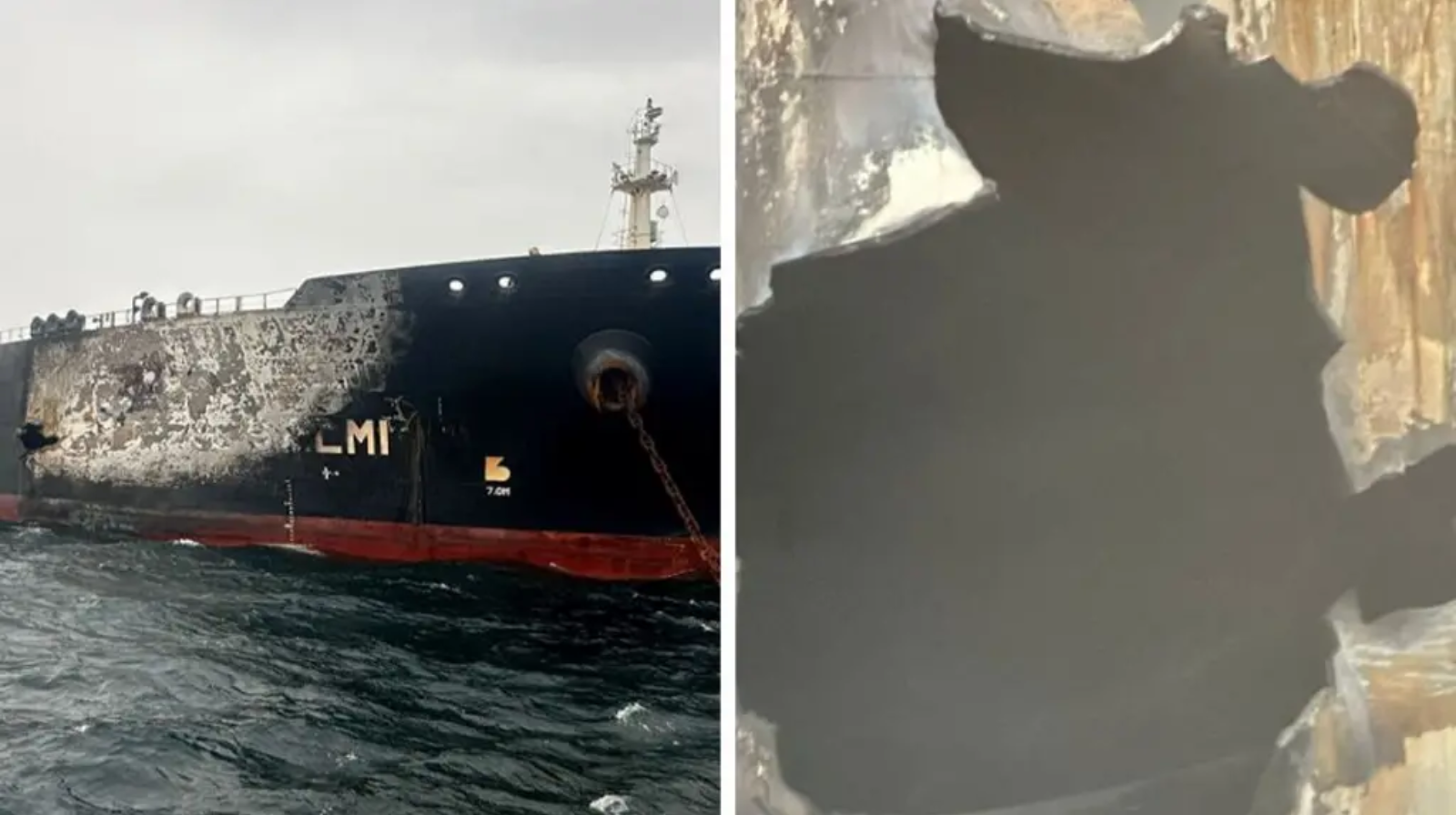
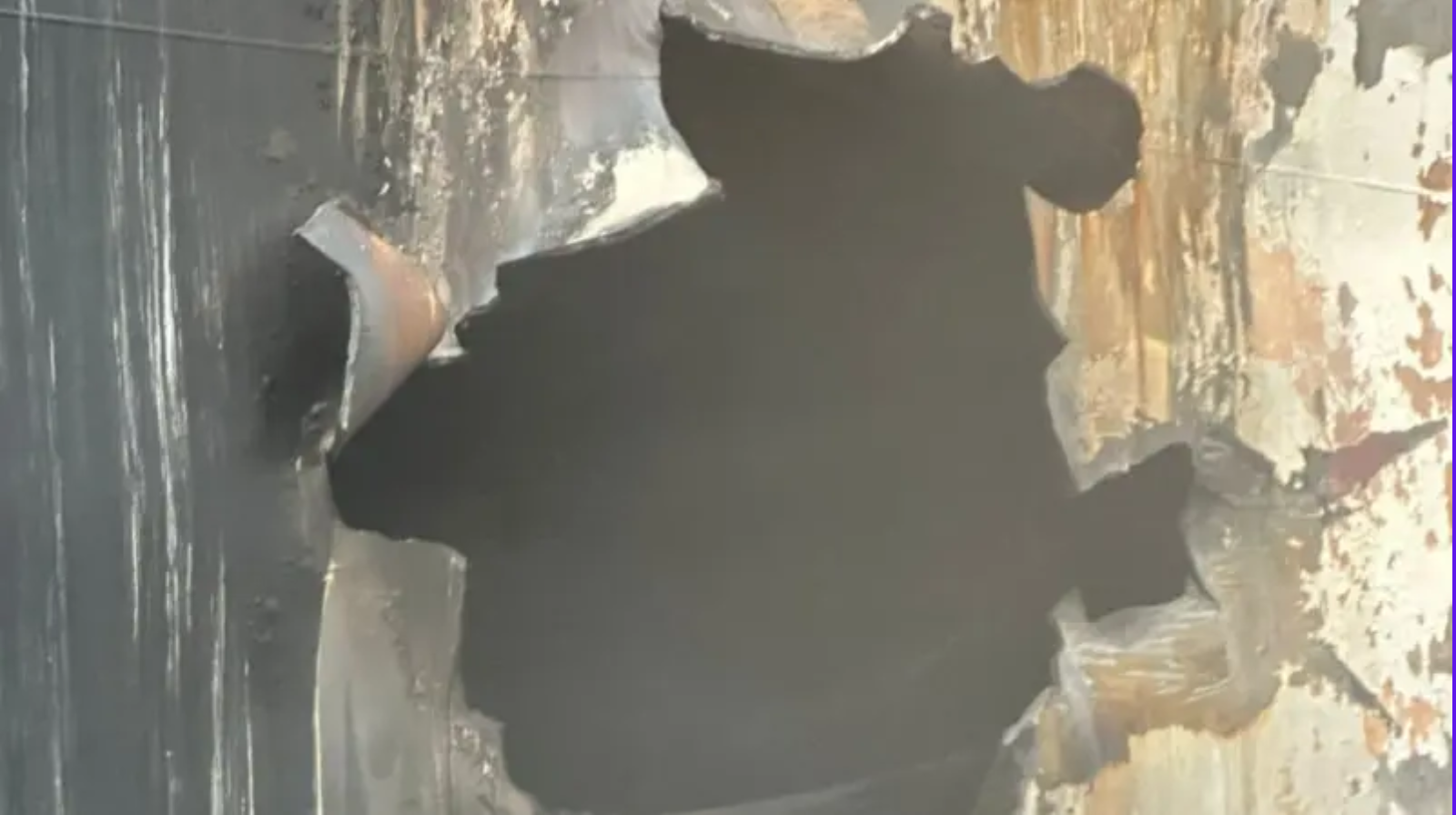
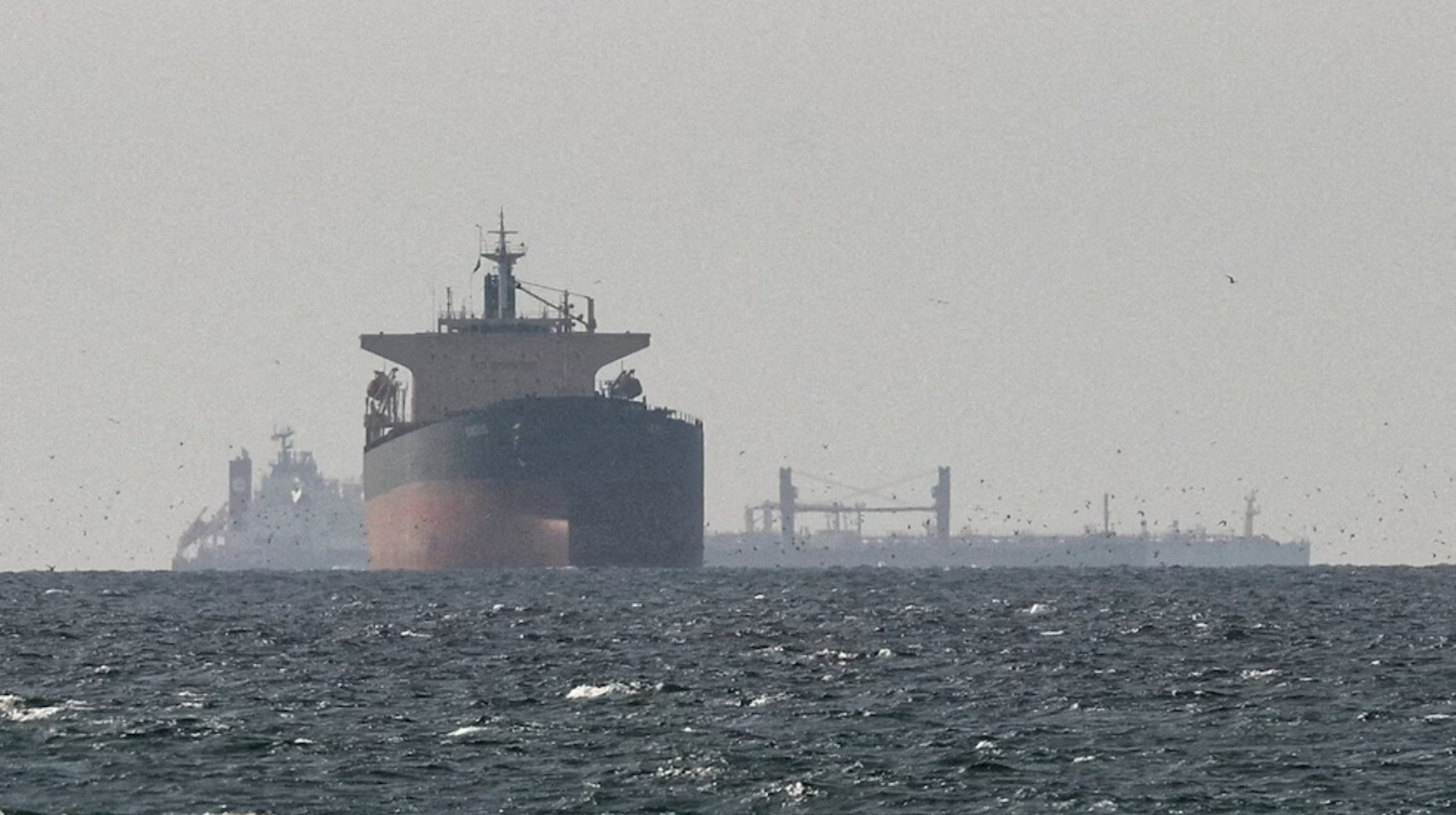
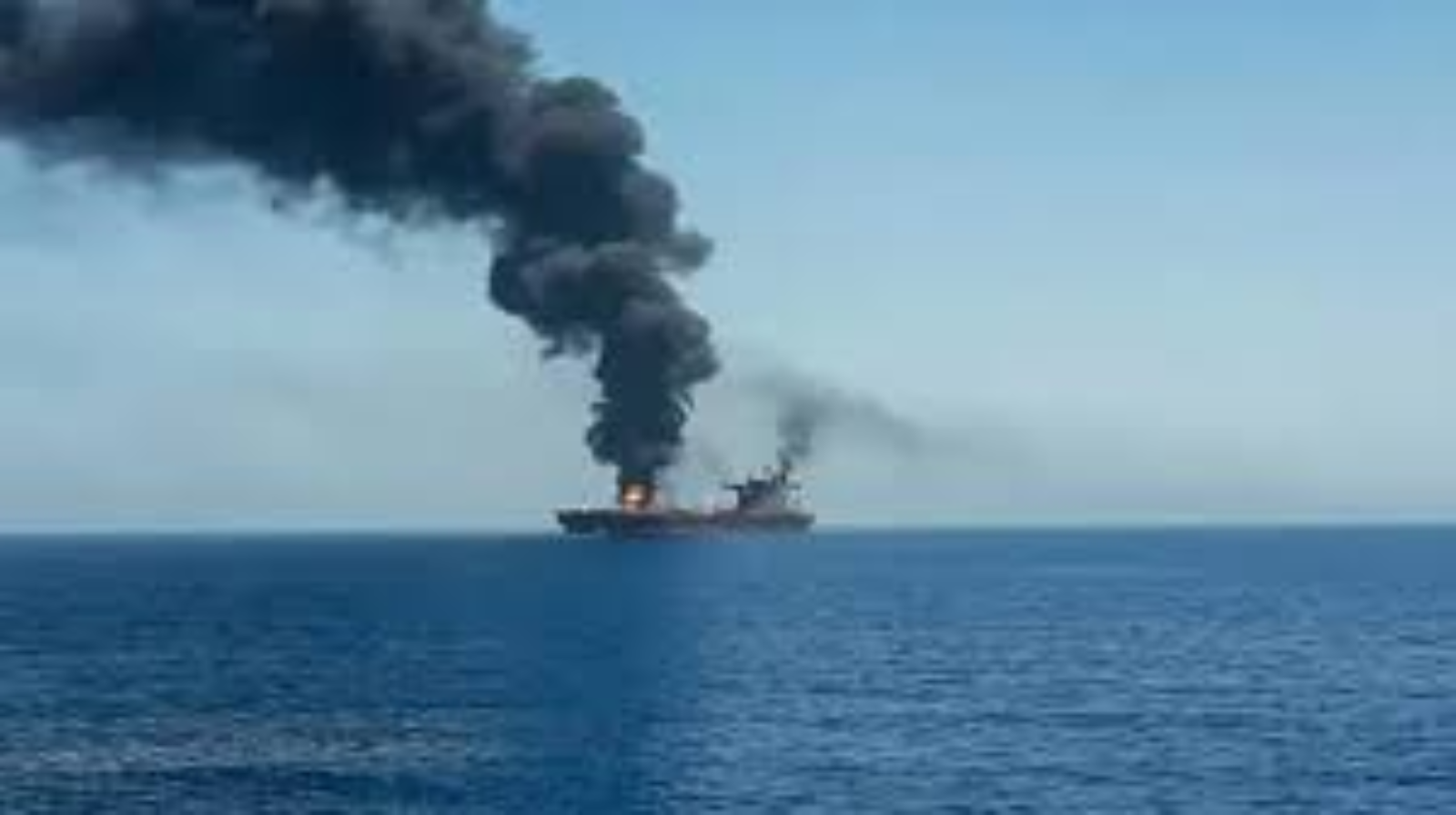
- Maritime Instability: The incident follows an earlier attack on the Kuwaiti tanker Al-Salmi near Dubai, further destabilizing the Persian Gulf’s vital shipping lanes.