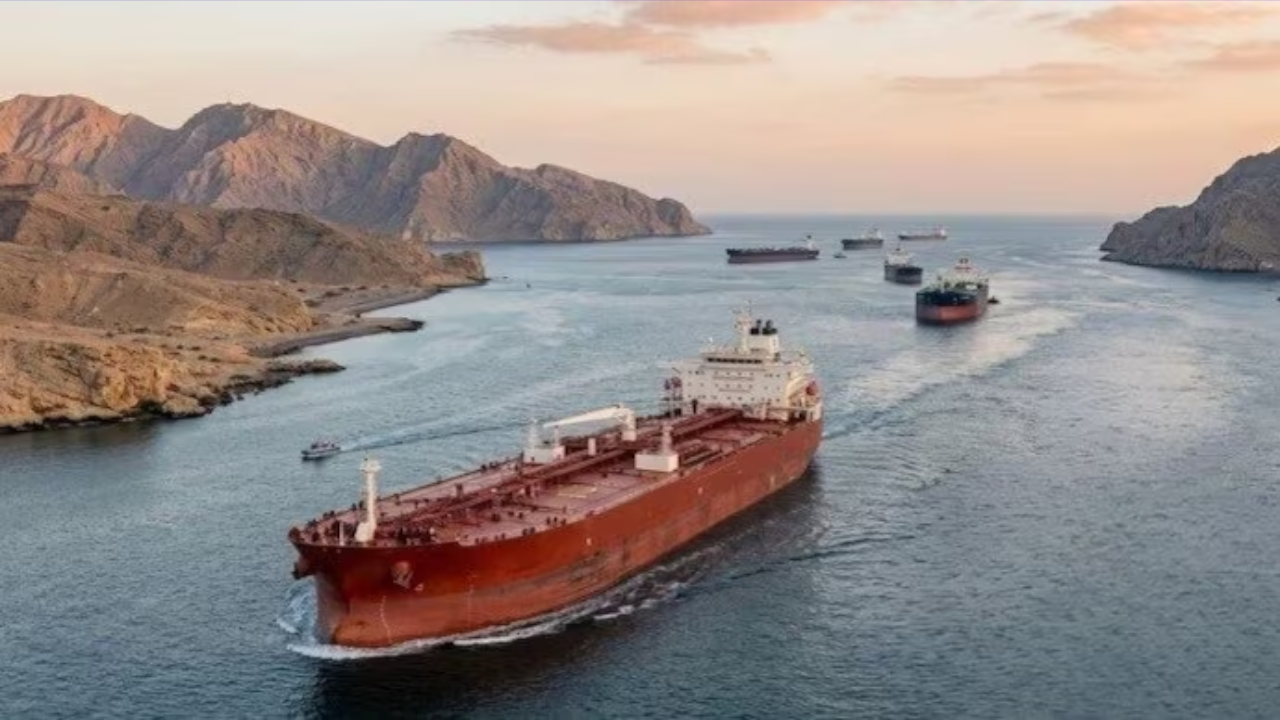
Under a landmark 14-day ceasefire agreement reached on April 8, 2026, the Strait of Hormuz will transition from a free international waterway to a tolled passage. The deal, brokered to halt a 40-day conflict that paralyzed global energy markets, grants Iran and Oman the authority to levy transit fees on all vessels passing through the 34-km-wide chokepoint.
Thank you for reading this post, don't forget to subscribe!The Mechanics of the Agreement
- Transit Levies: Reports indicate that Iran may charge as much as $2 million per vessel. While Iran has pledged to funnel its revenue into post-war reconstruction, Oman has yet to disclose its plans for the collected funds.
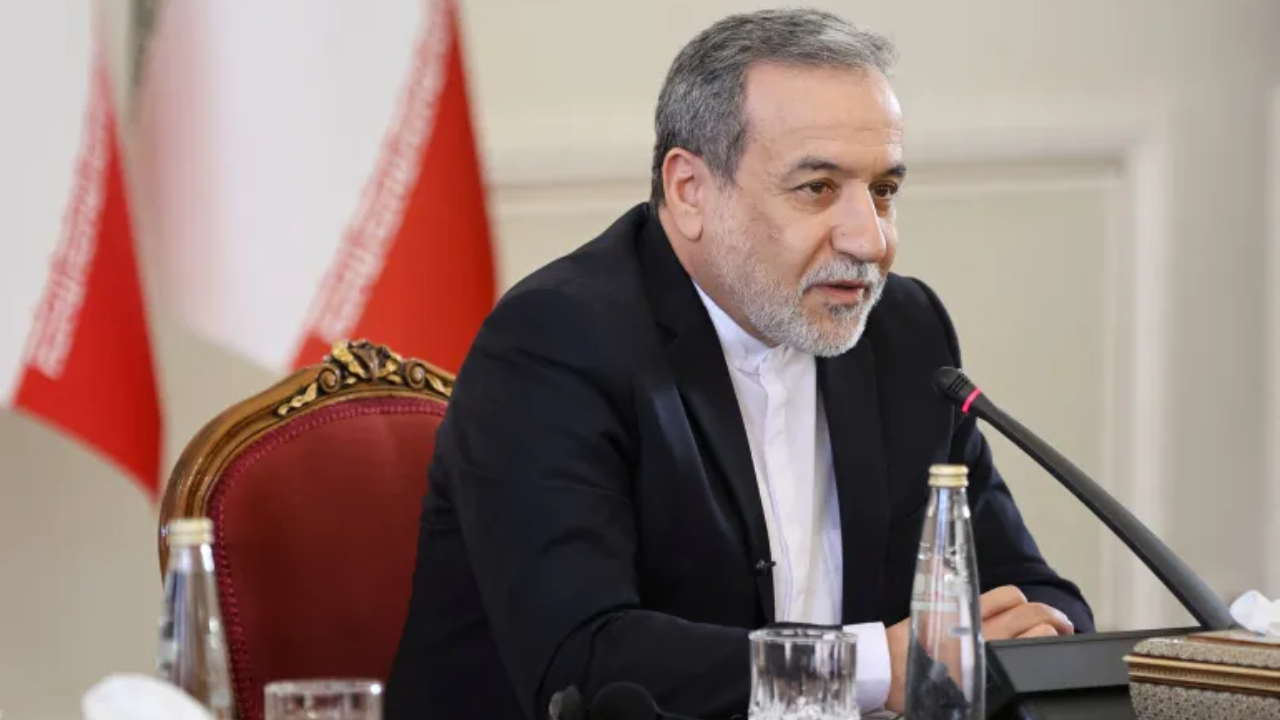
- Security & Oversight: The Iranian Armed Forces will coordinate safe passage through the strait. Iranian Foreign Minister Abbas Araghchi clarified that while transit is permitted, it remains subject to specific “technical limitations.”
- A Temporary Window: The ceasefire is scheduled to last two weeks, serving as a cooling-off period to finalize a comprehensive 10-point peace plan currently being mediated by Pakistan.
Market and Geopolitical Reactions
The announcement triggered an immediate and dramatic shift in the global economy:
- Oil Prices: Crude prices plummeted by more than 18% as the prospect of renewed supply from the world’s most vital oil artery eased market panic.
- Regional De-escalation: The “double-sided ceasefire” reportedly extends beyond the strait, impacting active fronts between Israel and Hezbollah.
- Diplomatic Strategy: The deal was finalized just as a deadline imposed by the Trump administration expired. Critics and analysts are now debating whether these transit fees are a temporary fix or a strategic move by Tehran to establish permanent, institutionalized control over the waterway.