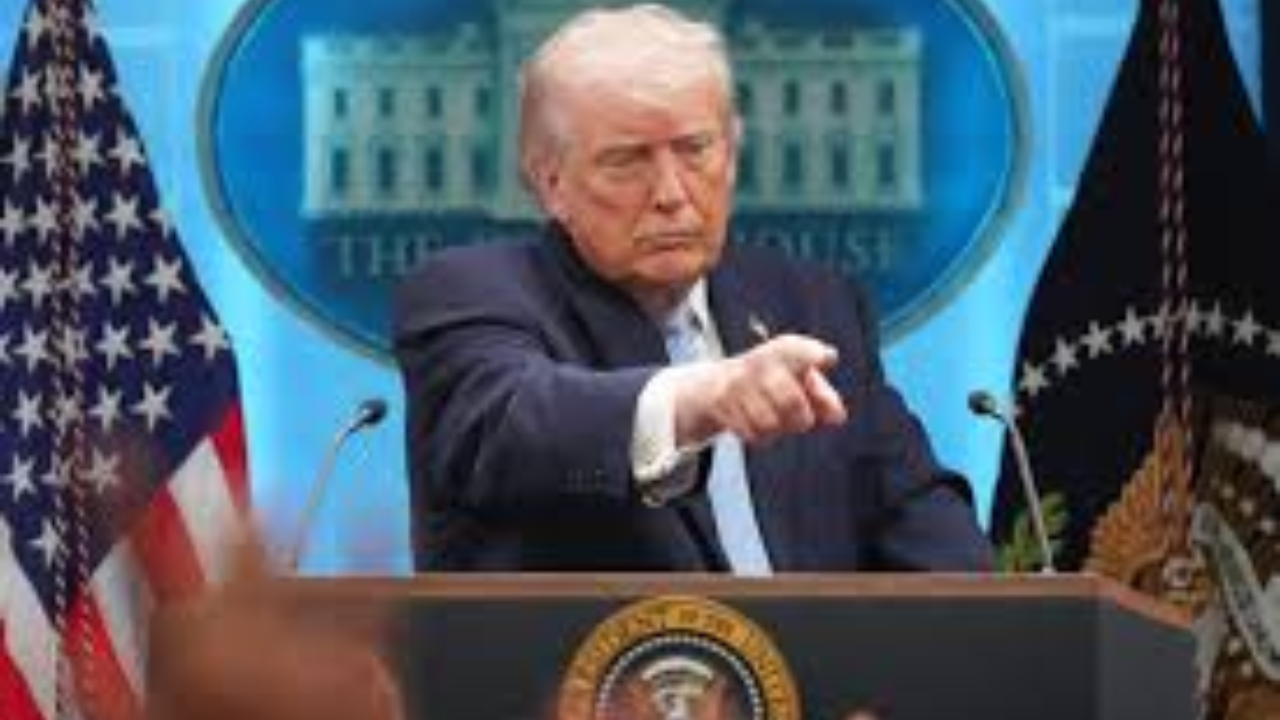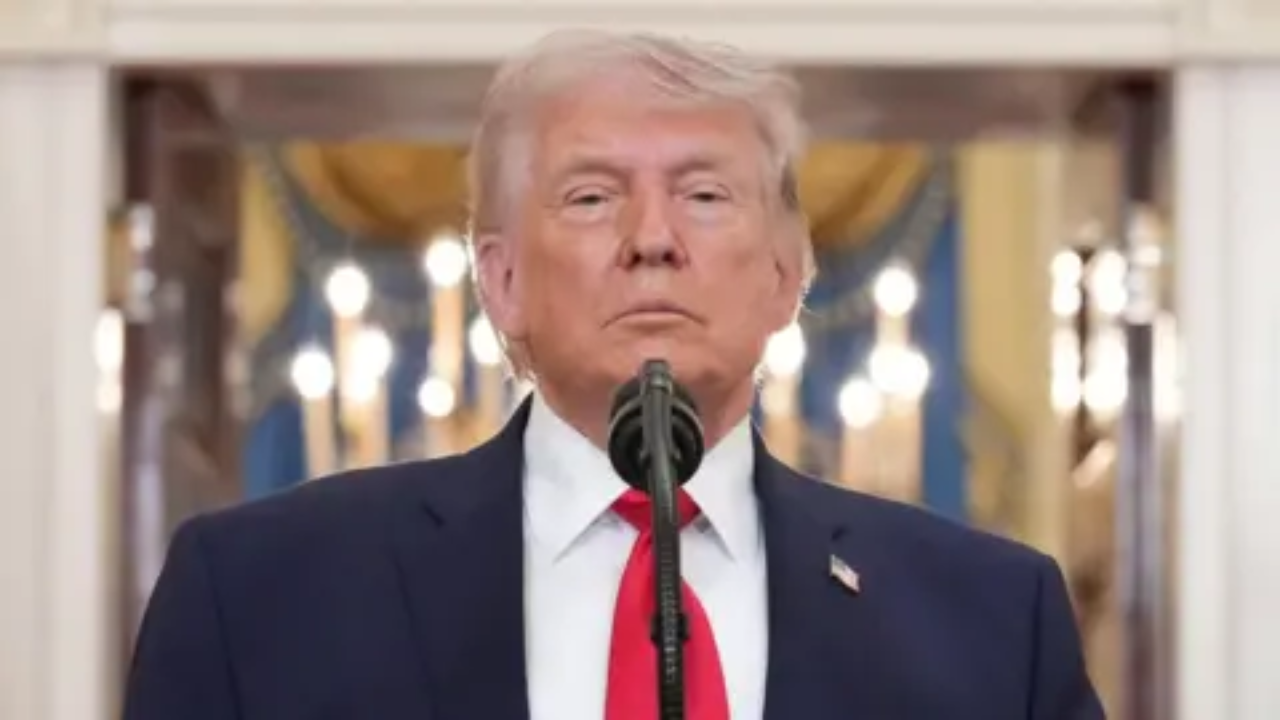
In an unprecedented escalation of diplomatic rhetoric, President Trump has issued a high-stakes military threat against Iran, demanding an immediate end to the blockade of the Strait of Hormuz. Using explicit language and setting a rigid 48-hour deadline, the President warned of catastrophic consequences if global energy routes are not restored.
Thank you for reading this post, don't forget to subscribe!The Tuesday Deadline
- The Command: “Open the F–kin’ Strait… or you’ll be living in Hell,” the President wrote.
- Infrastructure Threats: Trump explicitly named civilian infrastructure as primary targets, labeling the potential commencement of strikes as “Power Plant Day and Bridge Day.”
- Strategic Intent: In a later interview, the President clarified that while he is “negotiating,” he is fully prepared to “take over the oil” if Iranian compliance is not met.
A Chokepoint Under Siege
| Factor | Current Status |
| Origin of Crisis | Follows U.S./Israeli strikes on Iranian leadership in February 2026. |
| Iranian Tactics | Use of drone swarms, sea mines, and naval patrols to halt exports. |
| Impacted Nations | Significant export stalls for Qatar, Kuwait, and the UAE. |
| Military Friction | Recent loss of a U.S. F-15E; a wounded American officer was rescued in a high-risk operation. |
Legal and Humanitarian Concerns
The President’s specific threat against civilian utilities has drawn immediate fire from international legal bodies and humanitarian organizations.
“Targeting infrastructure indispensable to the survival of the civilian population—such as power plants—is a direct violation of international law and may be classified as a war crime.”
— Summary of Legal Consensus from Human Rights Advocates