While the timing coincides with the historic U.S.-Iran ceasefire, Downing Street has confirmed that Prime Minister Keir Starmer’s visit to the Gulf was orchestrated well before the agreement was reached. The trip, originally intended to address an escalating crisis, has now transitioned into a mission focused on maintaining a fragile peace.
Thank you for reading this post, don't forget to subscribe!The Shift from Crisis to Coordination
The sudden announcement of the ceasefire—delivered just hours before a critical U.S. deadline—has fundamentally altered the Prime Minister’s agenda:
- From Management to Maintenance: Instead of discussing active conflict containment, Starmer is now focused on “supporting and sustaining” the truce alongside regional allies.
- Economic Stabilization: A primary goal remains the permanent reopening of the Strait of Hormuz. Securing this maritime route is vital for global energy markets and easing domestic inflationary pressures.
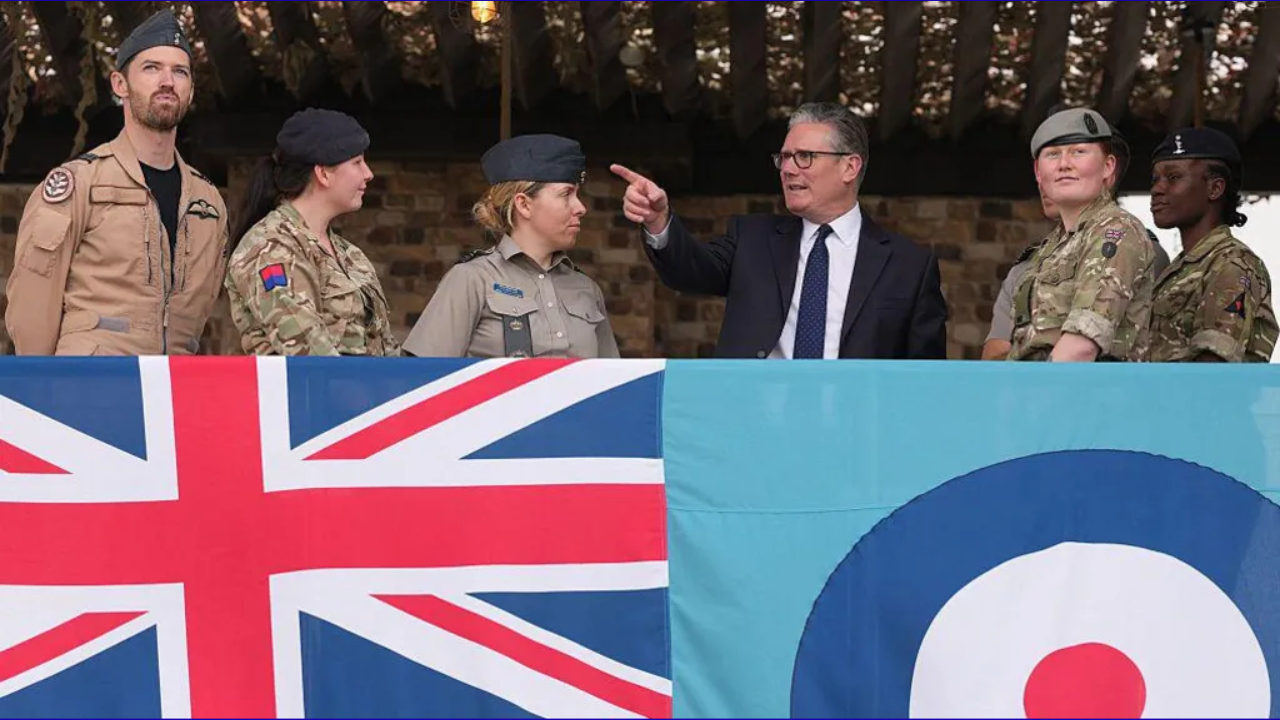
- Military Recognition: The visit includes personal meetings with British service members in the region who supported recent operations prior to the stand-down.
Strategic Objectives
| Focus Area | Primary Goal |
| Global Trade | Restoring unhindered shipping through the Strait of Hormuz. |
| Regional Ties | Strengthening partnerships with Gulf leaders to act as guarantors of the peace. |
| Special Relationship | Aligning UK interests with the new U.S. diplomatic reality following the Trump-led negotiations. |
The Diplomatic Context
The Prime Minister described the ceasefire as a “moment of relief” for the international community. This trip serves as a pivotal opportunity for the UK to bridge recent diplomatic divides and reassert its influence in the Middle East during this transitional period toward regional de-escalation.