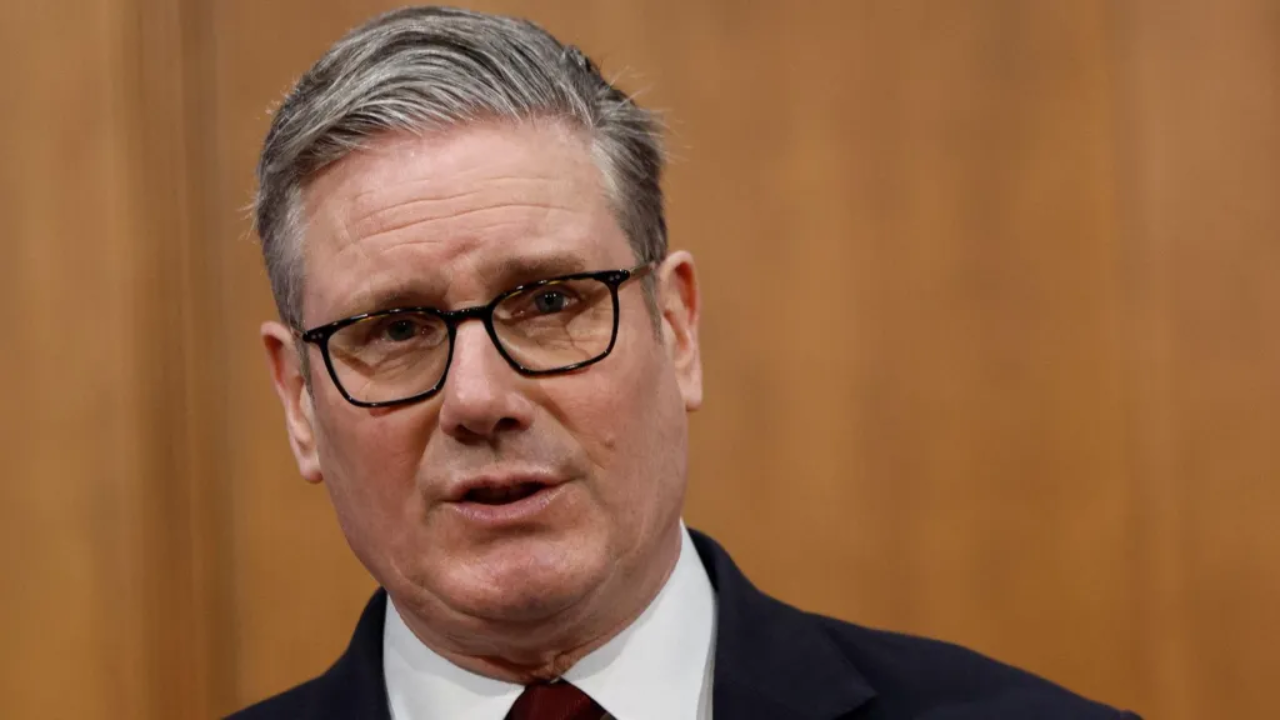
In a high-stakes briefing on March 16, 2026, Prime Minister Keir Starmer unveiled a multilateral strategy to reopen the Strait of Hormuz. With global oil prices surging past $100 a barrel due to the US-Iran conflict, the UK is attempting to restore global trade without being pulled into the front lines of a regional war.
Thank you for reading this post, don't forget to subscribe!The Strategy: De-escalation Through Defense
Unlike the direct combat stance favored by Washington, the UK’s plan focuses on technical and defensive solutions:
- Multilateralism Over NATO: Starmer is bypassing a formal NATO mission in favor of a “coalition of the willing” involving European and Gulf partners.
- Drone-First Response: Instead of deploying heavy destroyers, the UK plans to lead with autonomous mine-hunting drones to clear shipping lanes safely.
- Strategic Distance: The PM explicitly stated the UK “will not be drawn into the wider war,” signaling a clear boundary to the Trump administration.
Domestic Shielding
To combat the “Iran war” energy shock at home, the government is coupling this military plan with economic relief:
- £53 Million Support: Targeted aid for households dependent on heating oil.
- Price Protections: Extensions of fuel duty caps to prevent a total domestic economic freeze.
The “Special Relationship” Strain
The move follows a blunt ultimatum from President Trump, who linked NATO’s future to ally participation in the Strait. Starmer’s “calm, level-headed” approach is a calculated attempt to fulfill British security obligations while resisting American pressure for total military alignment.
The Bottom Line: Starmer is betting that a high-tech, defensive coalition can lower oil prices without committing British boots—or hulls—to a hot war.