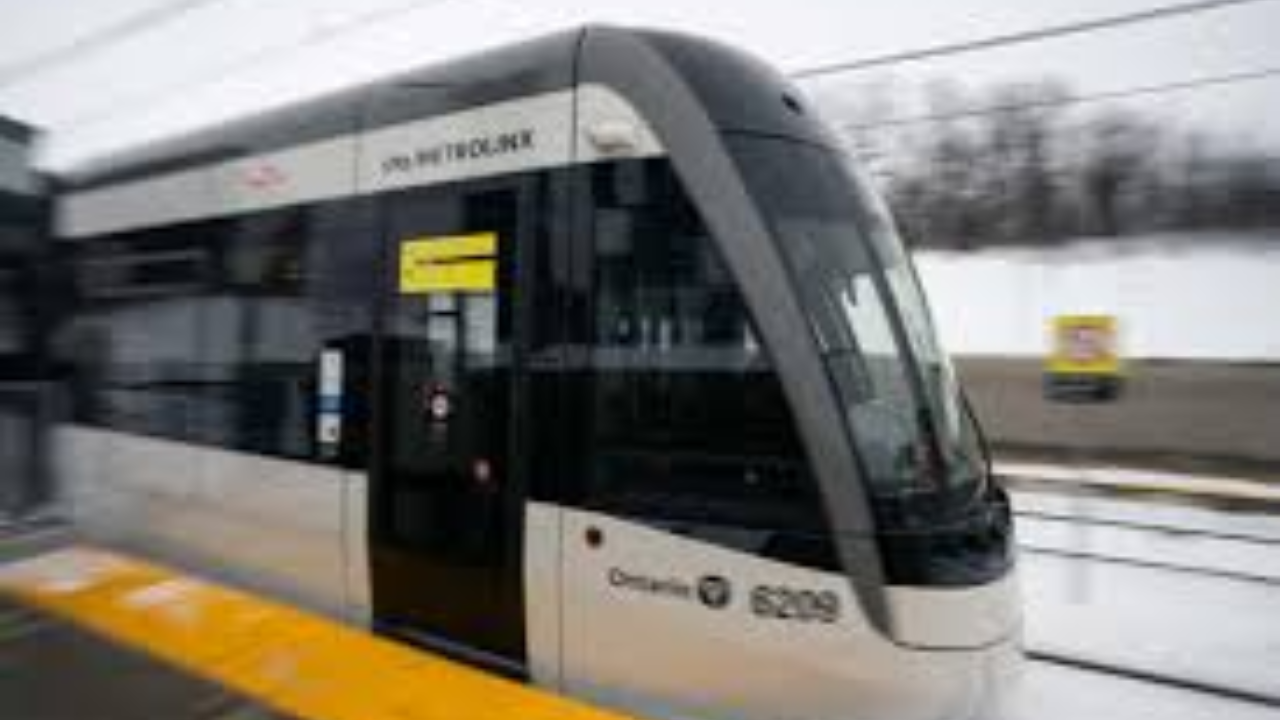
For over a decade, the Eglinton Crosstown LRT has been more than just a transit project; it has been a sprawling monument to bureaucratic opacity and engineering hubris. As the doors finally open this month—six years late and billions over budget—the celebratory ribbon-cutting must not be allowed to obscure the wreckage left in its wake.
Thank you for reading this post, don't forget to subscribe!If we are to avoid repeating these failures on the Ontario Line or the Scarborough Extension, we must be honest about what actually happened.
The P3 Illusion
The “Public-Private Partnership” (P3) was sold to Ontarians as a way to shift risk away from the taxpayer. In reality, it shifted the project into a black box. Shielded by “commercial confidentiality,” the Crosslinx consortium and Metrolinx spent more time in courtrooms than on construction sites. The result wasn’t “risk transfer”—it was a multi-billion dollar ransom paid in legal settlements and “delay claims” that the public was never allowed to see.
A Comedy of Technical Errors
It is staggering that a project of this scale could be derailed by basic geometry. The discovery that tracks were laid millimeters out of spec—requiring them to be ripped up and replaced years after they were “finished”—points to a catastrophic failure of oversight. When you add the “ghost stations” that sat fully lit and heated for years while software glitches caused random emergency braking, the picture that emerges is one of profound incompetence.
The Accountability Void
Who was actually in charge? Between a provincial agency (Metrolinx) that refused to provide realistic timelines, a private builder (Crosslinx) that struggled with quality control, and an operator (the TTC) that—rightly—refused to inherit a lemon, the project lacked a single point of accountability.
The Bottom Line
The Star Editorial Board continues to call for a full, independent public inquiry. We don’t just need to know what went wrong; we need to know who allowed it to happen, and we need a guarantee that the “Eglinton Model” is never used again.