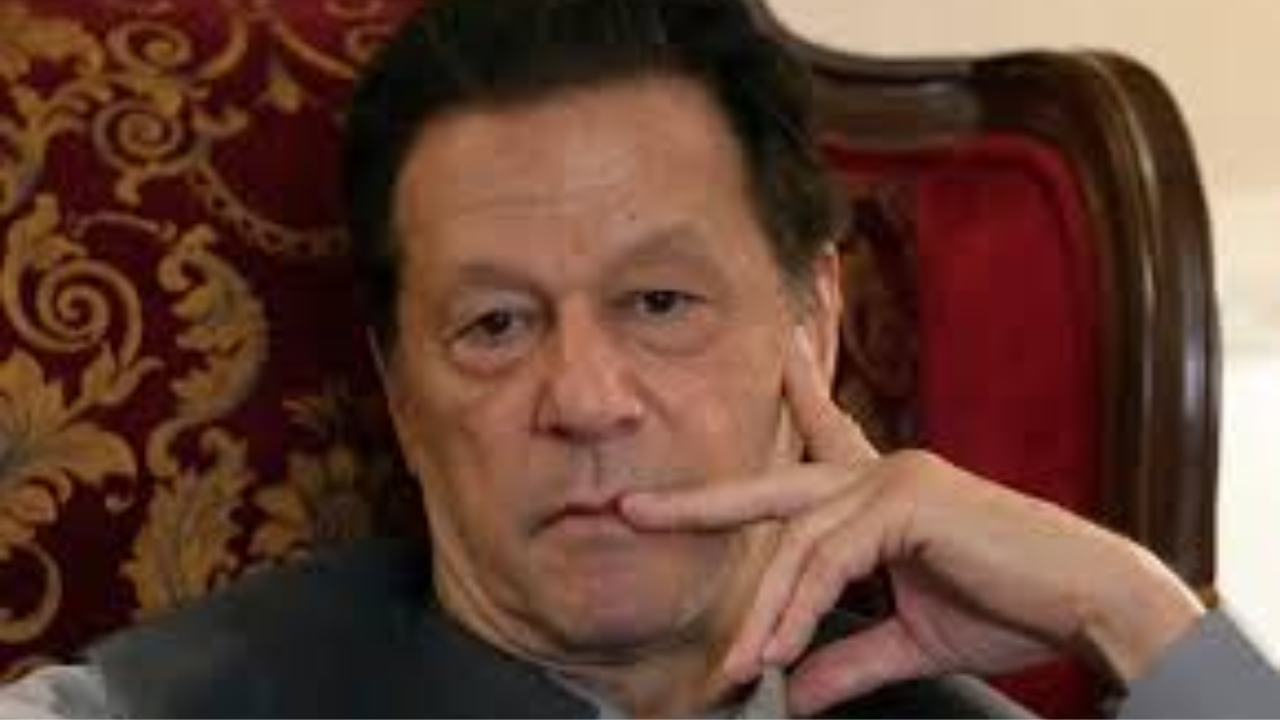
Analysis: Can a 17-Year Sentence Neutralize Imran Khan?
Thank you for reading this post, don't forget to subscribe!The recent sentencing of Pakistan’s former Prime Minister to 17 years in prison marks a watershed moment in the nation’s history. As the military establishment tightens its grip, the question remains: is this the end of a political era, or the beginning of a deeper insurgency?
1. The Strategy of Legal Erasure
The military establishment, led by the Army Chief, appears to be following a strategy of “legal fatigue.” By layering multiple convictions—ranging from the Toshakhana cases to charges of leaking state secrets—the state aims to:
- Permanent Disqualification: Ensure the leader remains legally barred from holding office for decades.
- Institutional Dismantling: Systematic pressure on the PTI (Pakistan Tehreek-e-Insaf) party structure to force defections and neutralize the opposition’s organizational power.
2. Public Sentiment vs. State Control
Despite the legal onslaught, the panel observes a significant “disconnect” between the state’s actions and the public’s reality.
- The Martyrdom Narrative: Rather than fading away, the jailed leader’s popularity appears to be hardening. His incarceration is viewed by a large segment of the youth as a sacrifice for “Haqeeqi Azadi” (True Freedom).
- ‘Pakistan se Zinda Bhaag’: This sentiment—reflecting a desperate desire to flee the country—highlights a profound lack of faith in the current system. The combination of political repression and economic stagnation has led to a brain drain that threatens long-term national stability.
3. The Economic and Geopolitical Paradox
The current regime’s stability is precariously balanced on two factors:
- The Economic Brink: Pakistan is navigating a severe financial crisis. The report suggests that while the military-backed government seeks foreign investment (Sifc), the political instability makes international markets wary.
- The Gaza Factor: Public anger over the situation in Gaza has become a volatile variable. The establishment faces a dilemma: aligning with Western interests for economic aid versus managing a domestic population that demands a more assertive stance on Palestine.
4. Historical Precedents and the “Hybrid” Future
The panel notes that Pakistan has a long history of military intervention, but the current “Hybrid Plus” model is unique. Unlike past dictatorships, the current setup utilizes a civilian facade and constitutional maneuvering to maintain control. However, history also shows that jail sentences in Pakistan are rarely permanent; power shifts often occur when the economic burden becomes too heavy for the establishment to carry alone.
Summary of the Political Landscape
| Force | Current Status | Objective |
| The Establishment | Dominant | Total stability through central control. |
| Jailed Leader | Incarcerated | Survival through public defiance and narrative. |
| The Public | Disillusioned | Relief from inflation and political repression. |
| External Powers | Cautious | Regional stability and debt repayment. |