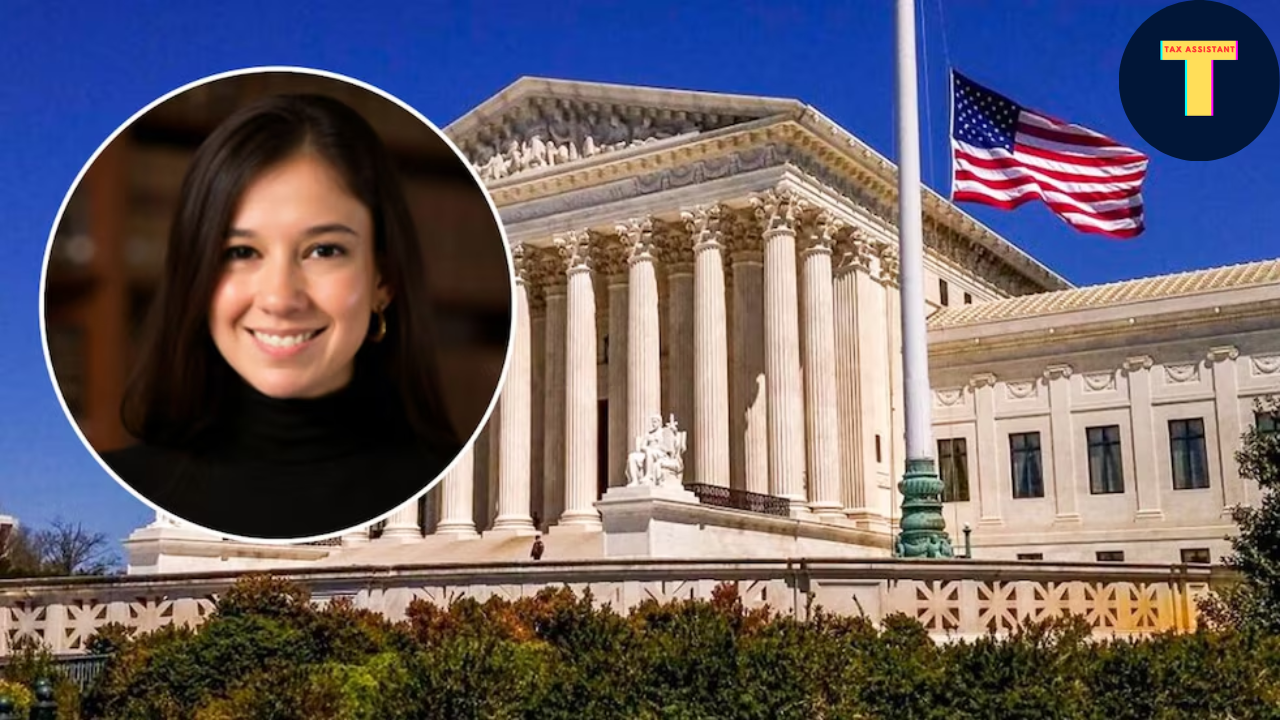
Smita Ghosh, an Indian-American attorney and legal historian, has become a pivotal figure in the constitutional battle against the recent executive efforts to restrict birthright citizenship. As Senior Appellate Counsel at the Constitutional Accountability Center (CAC), she is a lead strategist in the legal challenge to Executive Order 14160.
Thank you for reading this post, don't forget to subscribe!The Legal Battlefront
Key Legal Arguments
- The Lynch v. Clarke (1844) Precedent: Ghosh unearthed this 19th-century New York case to prove that “citizenship by place of birth” was a settled common-law tradition long before the 14th Amendment was even written. She argues that the Constitution’s framers intended to cement this tradition, not grant the president power to change it.
- The Foundling Logic: She highlights a logical inconsistency in the government’s stance: under current law, abandoned infants (“foundlings”) are granted citizenship even though their parents’ status is unknown. Ghosh argues it is legally contradictory to deny that same right to children whose parents’ status is known.
Expertise and Background
Ghosh’s influence stems from her unique background as both a practicing lawyer and a historian:
| Credentials | Details |
| Education | J.D. and Ph.D. in American Legal History (University of Pennsylvania) |
| Academic Focus | Specialized in immigration law and the separation of powers at Georgetown Law |
| Clerkship | Served under Judge Victor Bolden (District of Connecticut) |
| Fellowship | Former Supreme Court Fellow at the U.S. Sentencing Commission |