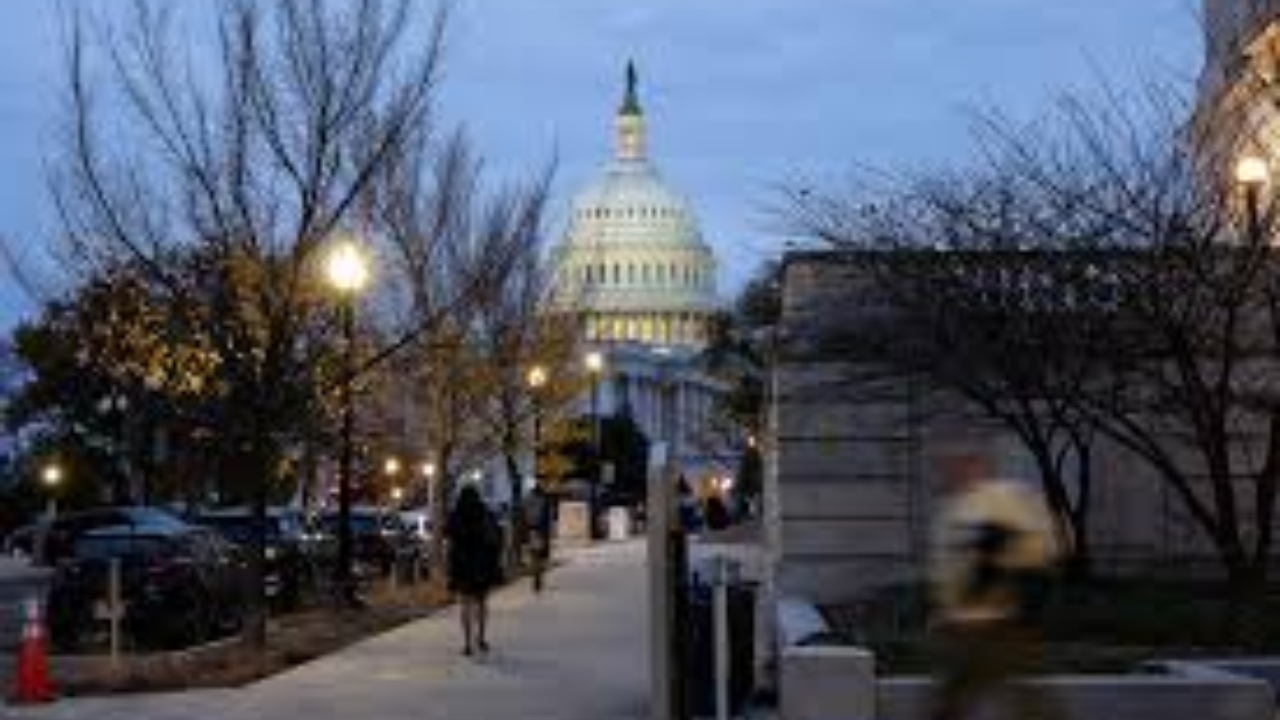
The U.S. Senate failed to break a partisan stalemate on Thursday, leaving the Department of Homeland Security (DHS) on the brink of a partial shutdown. With the current funding set to expire at midnight on Friday, a 52-47 vote failed to meet the 60-vote threshold needed to bypass a filibuster.
Thank you for reading this post, don't forget to subscribe!The Core Conflict: Reform vs. Resources
The gridlock isn’t just about dollars; it’s a fundamental clash over how federal law enforcement operates:
- The Reform Push: Democrats are leveraging the budget to demand “guardrails” on ICE and CBP following the high-profile federal agent shootings in Minneapolis. Key demands include mandatory body cameras, a ban on masks for agents, and stricter warrant requirements for patrols.
- The Resistance: Senate Republicans and the White House have labeled these demands “unrealistic,” arguing that such restrictions compromise agent safety and national security.
- The Funding Irony: Despite the looming “shutdown,” agencies like ICE remain buoyed by $75 billion in supplemental funding from last year’s major domestic policy bill, leading some lawmakers to question how much leverage a shutdown actually provides.
Impact: Who Works, Who Gets Paid?
If a deal isn’t reached by midnight, the lights won’t go out entirely, but the friction will be felt immediately:
| Sector | Status during Shutdown |
| TSA & Border Patrol | Essential: 95% of staff must work without pay. |
| Air Travel | Delayed: Expect longer lines as “call-outs” typically rise during pay freezes. |
| Public Services | Paused: E-Verify, Global Entry renewals, and civil rights oversight will stop. |
| Coast Guard | Active: Operations continue, but personnel paychecks are frozen. |