The Situation at a Glance
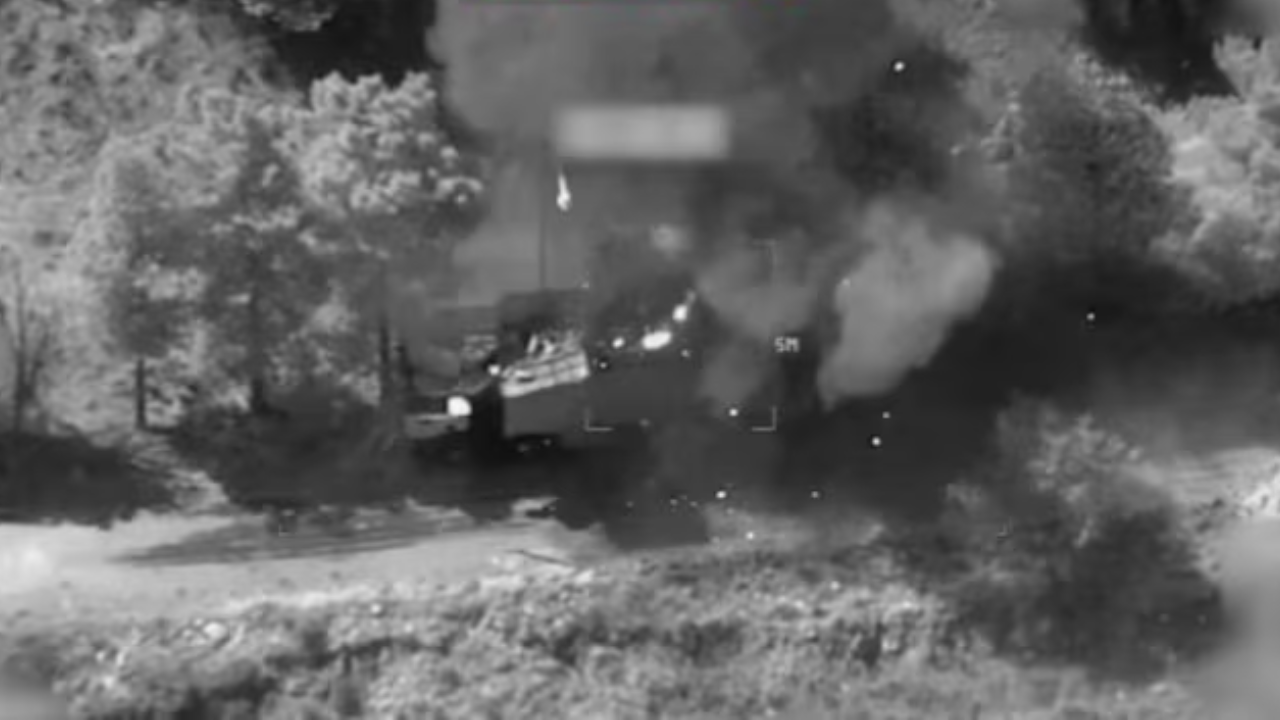
Geopolitical tensions have surged as of February 2026. Following a significant U.S. naval buildup in the Middle East, Tehran has signaled a readiness to target American military installations and disrupt vital shipping lanes in the Strait of Hormuz.
Thank you for reading this post, don't forget to subscribe!Primary Threat Vectors
- Targeting U.S. Bases: Iranian military leadership has publicly stated that all U.S. regional bases are “within crosshairs,” citing the deployment of the USS Abraham Lincoln strike group as an act of direct provocation.
- Maritime Chokepoints: The IRGC has hinted at a “total blockade” strategy or “aggressive inspections” of commercial vessels. This directly threatens the 30% of global seaborne oil that traverses the Strait of Hormuz.
- Asymmetric Response: Beyond conventional strikes, there is an increased risk of drone swarms and fast-attack craft harassment against both military and commercial targets.
Key Drivers of the Escalation
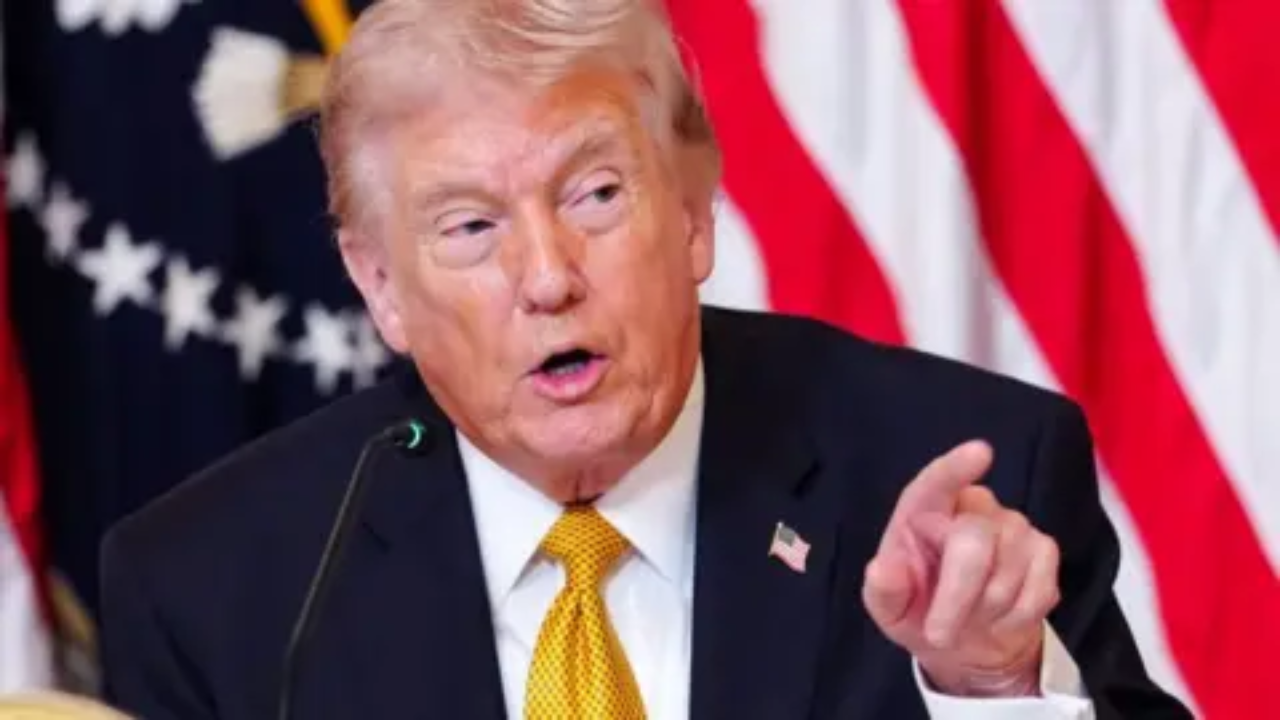
- U.S. “Coercive Deterrence”: The Trump administration’s “Armada” strategy aims to force Tehran back to the negotiating table through overwhelming military presence.
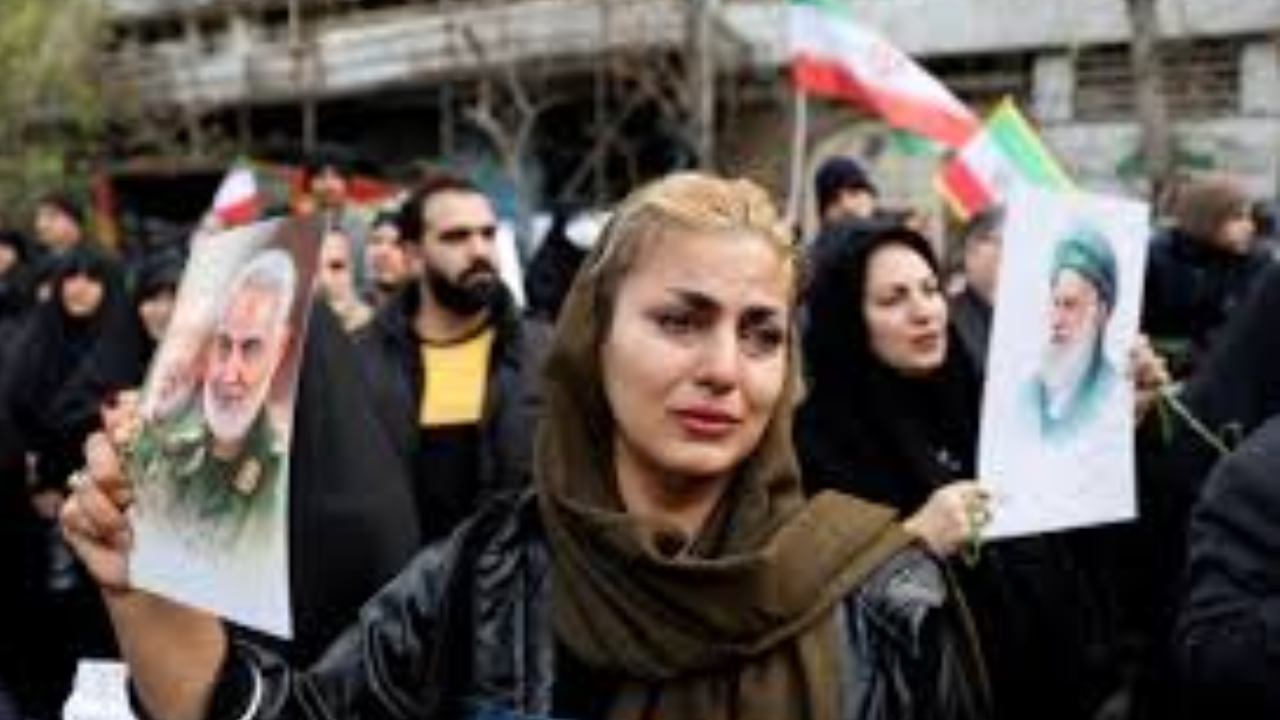
- Domestic Unrest: Following the violent suppression of the January 2026 protests, the Iranian government may be using external conflict to unify a fractured domestic front.
- Diplomatic Friction: The EU’s recent designation of the IRGC as a terrorist organization has removed traditional diplomatic “off-ramps,” pushing Tehran toward more radical posturing.
Strategic Outlook
| Factor | Current Status | Impact on Trade |
| Oil Volatility | High | Fear of supply chain disruptions is driving price spikes. |
| Regional Neutrality | Fragile | Gulf states are refusing to host offensive U.S. operations to avoid being targeted. |
| Diplomatic Path | Active | Secretive talks in Istanbul remain the only credible alternative to kinetic conflict. |