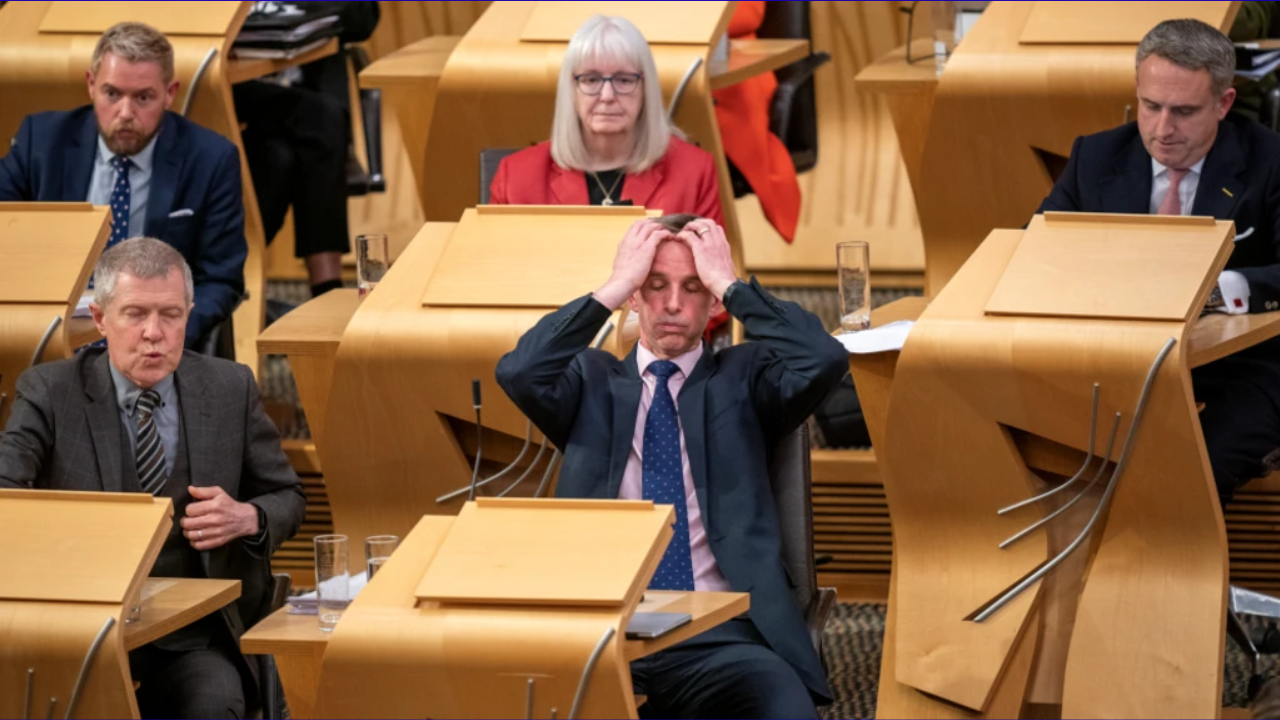
In a historic and somber session at Holyrood on Tuesday, March 17, 2026, the Scottish Parliament voted to reject the Assisted Dying for Terminally Ill Adults (Scotland) Bill.
Thank you for reading this post, don't forget to subscribe!The decision followed a grueling final four-hour debate where MSPs weighed the intensely personal desire for bodily autonomy against the societal duty to protect the vulnerable. The atmosphere in the chamber was described as “heavy,” with several members sharing deeply private stories of family loss.
The Final Tally
Despite early momentum when the bill was first introduced, the final vote saw a decisive shift in parliamentary opinion:
- Against: 69
- For: 57
- Abstentions: 1
Significantly, 12 MSPs who had initially supported the bill during its Stage 1 vote in May 2025 changed their minds, citing concerns over the practical implementation of the proposed safeguards.
Why the Bill Failed: 4 Key Factors
Liam McArthur, the Liberal Democrat MSP who championed the bill, introduced over 300 amendments to try and secure a majority—including narrowing the eligibility to patients with only six months to live. However, it wasn’t enough to overcome four major hurdles:
- The “Slippery Slope” Argument: Many MSPs feared that once a “right to die” was established, it would inevitably expand to include those with chronic illnesses or mental health struggles, rather than just the terminally ill.
- Pressure on the Vulnerable: Opponents argued that the “right to die” could quickly become a “duty to die,” as elderly or disabled patients might feel like an emotional or financial burden on their families.
- The Role of Doctors: Many members, including the SNP’s Jamie Hepburn, argued that the bill would fundamentally damage the trust between doctors and patients by turning healers into facilitators of death.
- The Palliative Care Alternative: A strong consensus emerged that the government’s priority should be fully funding hospice and palliative care rather than legalizing assisted death.
The Reaction
While the outcome has been hailed by groups like Care Not Killing as a “victory for the vulnerable,” campaigners from Dignity in Dying expressed deep disappointment. They pointed out that while the bill failed, support for the issue has more than tripled in the Scottish Parliament since 2010.
For now, Scotland remains aligned with the rest of the UK, even as the Isle of Man and Jersey continue to move forward with their own assisted dying legislation.