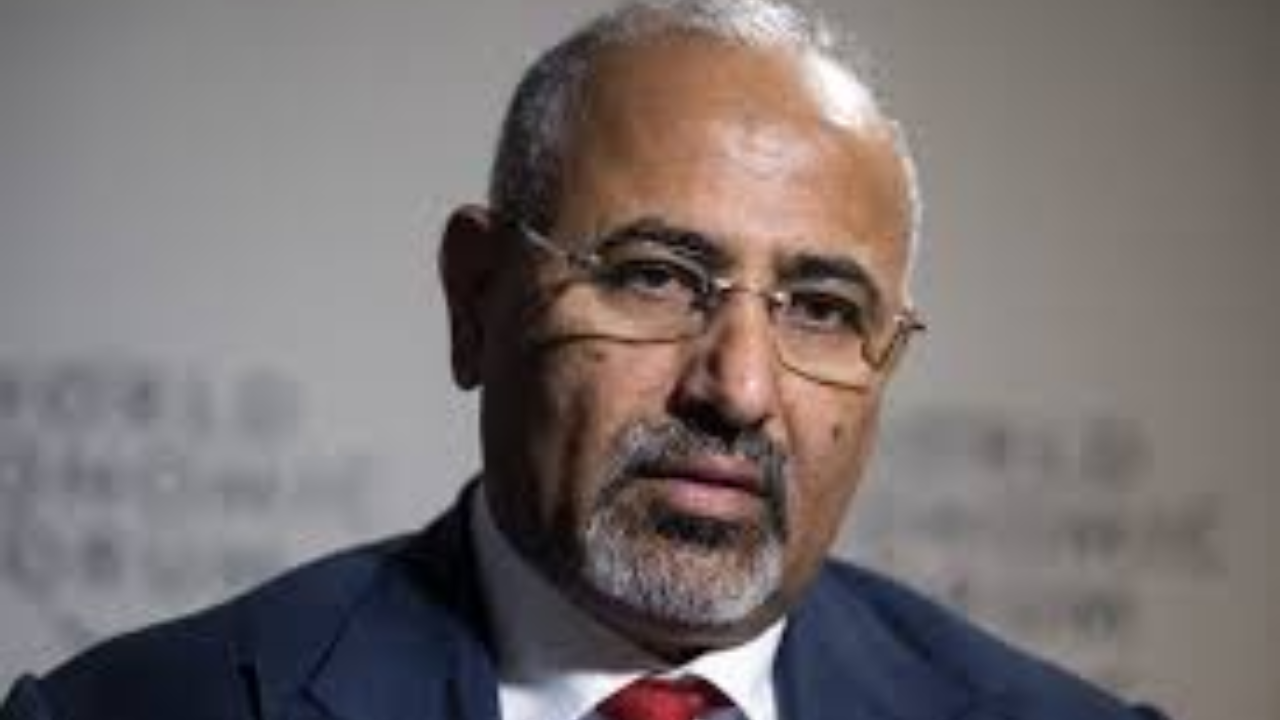
A major diplomatic crisis has erupted within the Gulf coalition as Saudi Arabia formally accused the United Arab Emirates (UAE) of orchestrating the clandestine escape of Aidarous al-Zubaidi, the leader of the Southern Transitional Council (STC).
Thank you for reading this post, don't forget to subscribe!The Alleged Operation
According to a detailed military briefing by Saudi Maj. Gen. Turki al-Malki, the operation involved a complex multi-country route to evade Saudi surveillance:
- The Departure: Al-Zubaidi reportedly fled Aden by sea under the cover of night.
- The Transit: He landed at the port of Berbera in Somaliland.
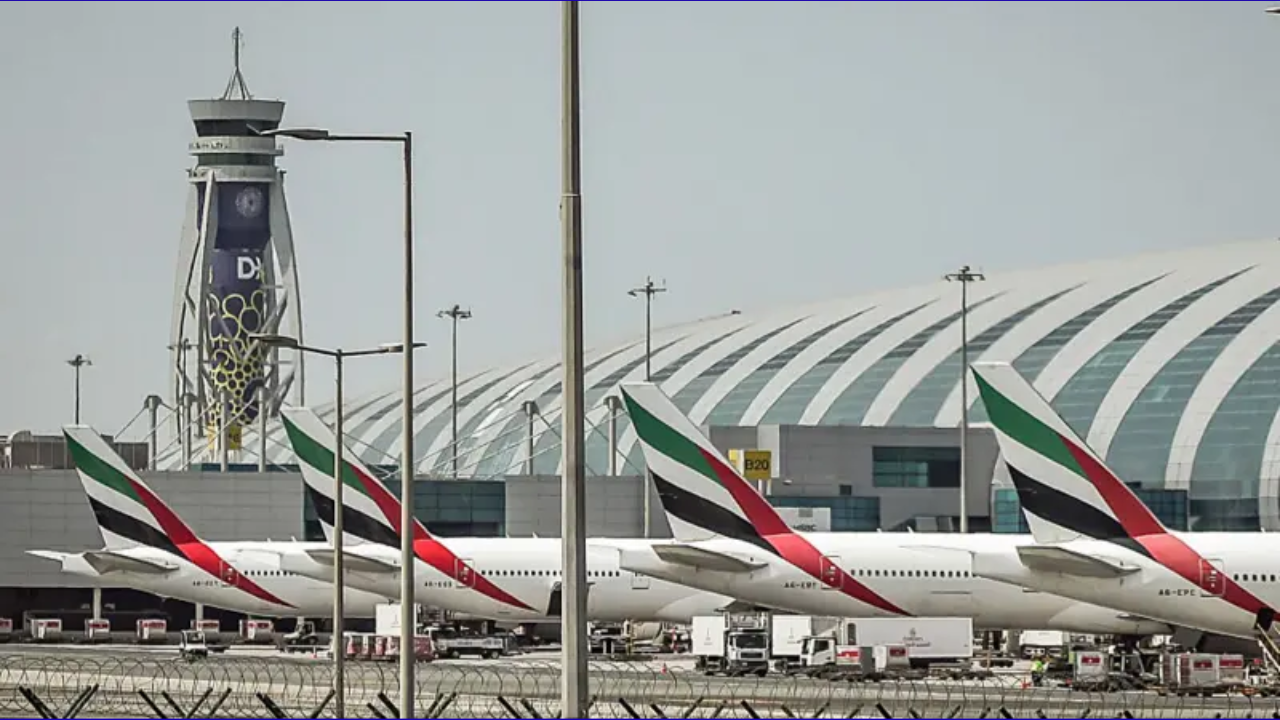
- The Extraction: From there, he was allegedly flown to a military airfield in Abu Dhabi on a UAE-affiliated cargo plane.
The Escalation: From Ally to “Wanted” Fugitive
The Saudi allegations follow a rapid breakdown in internal Yemeni politics:
- High Treason Charges: Just 24 hours prior to the escape, the Saudi-backed Presidential Leadership Council (PLC) stripped al-Zubaidi of his titles and charged him with treason.
- Failed Ultimatum: The charges were issued after al-Zubaidi ignored a direct order to report to Riyadh for mediation.
- Media Campaign: In a striking departure from typical diplomatic decorum, Saudi-state media has branded the STC leader a “wanted criminal,” signaling that Riyadh no longer views him as a legitimate political partner.
Strategic Implications
This rift exposes the diverging goals of the two regional powers:
- Saudi Arabia remains committed to the territorial integrity of Yemen under the PLC.
- The UAE has long supported the STC’s goal of an independent Southern Yemen, which would give Abu Dhabi strategic influence over vital maritime trade routes.