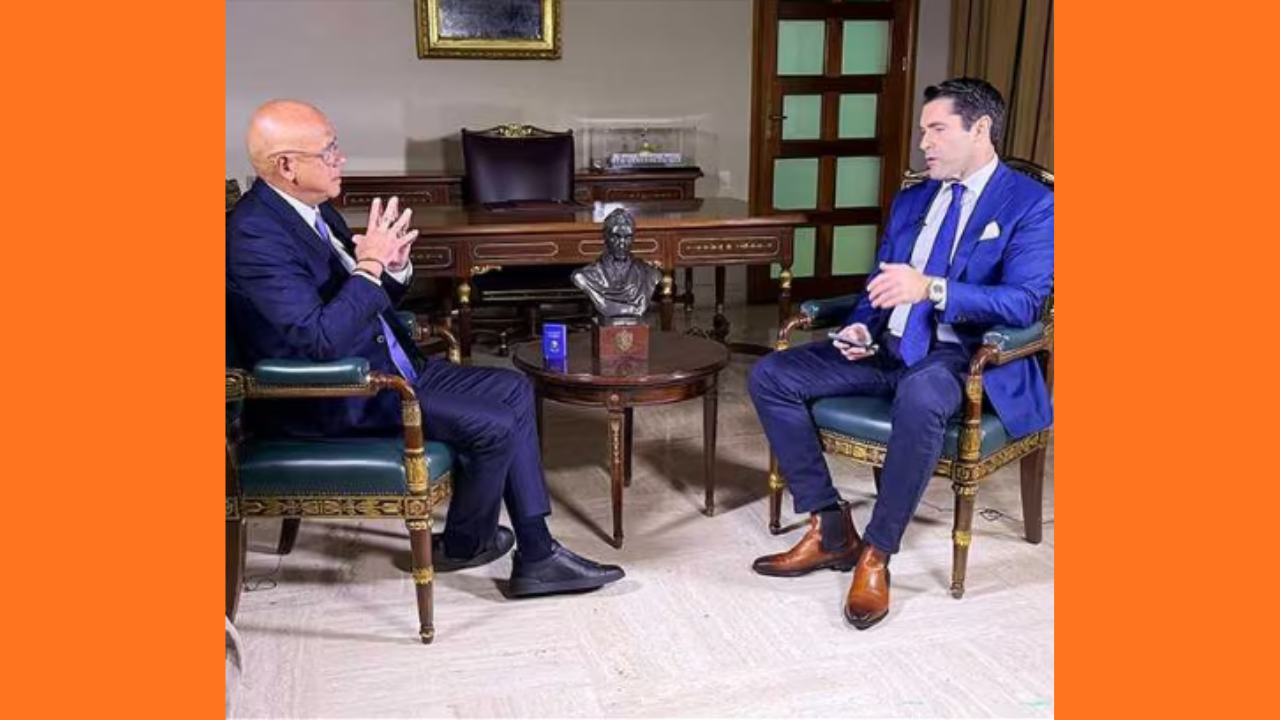
CARACAS — Jorge Rodríguez, President of the Venezuelan National Assembly, has embarked on a media blitz—including a high-profile interview with Newsmax—to project a narrative of national recovery. One month after the U.S. military’s “Operation Absolute Resolve” resulted in the capture of Nicolás Maduro, Rodríguez is framing the current transition as a necessary stabilization of the country’s political and economic life.
Thank you for reading this post, don't forget to subscribe!The “Stabilization” Narrative
- Political Reconciliation: Rodríguez has become the face of a new General Amnesty Law, which has already seen the release of over 400 political prisoners. He describes these moves as “unilateral gestures of peace” aimed at ending domestic divergence.
- Economic Modernization: A primary focus of the National Assembly is the reform of the Organic Hydrocarbons Law. Rodríguez argues that by clarifying tax and royalty regulations, Venezuela can once again become a safe harbor for massive foreign investment in its oil sector.
- A “Post-Maduro” Context: While the United States views the capture as a law enforcement action against narco-terrorism, Rodríguez characterizes the event as a “kidnapping” but simultaneously uses the vacuum to push for a more “normalized” administrative framework under acting president Delcy Rodríguez.
Strategic Shifts and Global Reaction
While Rodríguez speaks of stability, the ground remains complex:
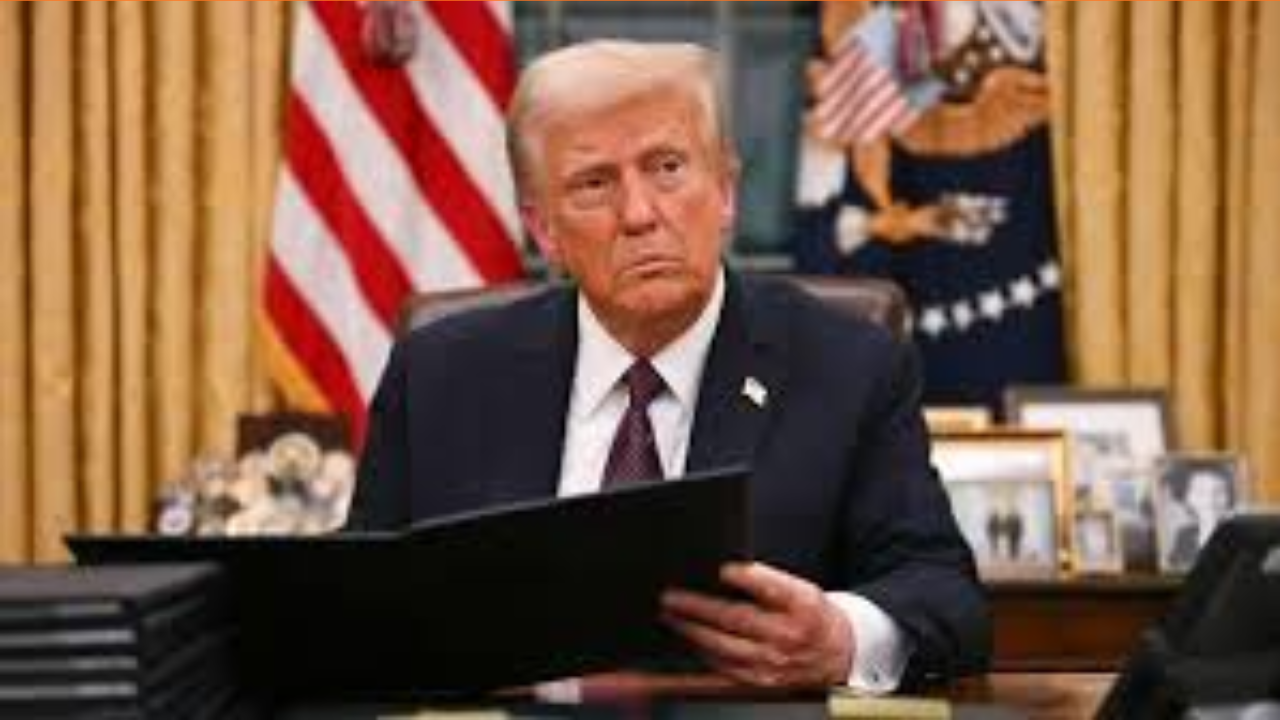
- U.S. Influence: President Trump has signaled that the U.S. will maintain oversight of Venezuelan affairs until a “legitimate replacement” is finalized, frequently citing the potential for the nation to become a primary energy partner for the West.
- Internal Power Structure: Despite Maduro’s absence, the “Chavista” legislative structure remains largely intact. Rodríguez is walking a fine line: honoring the legacy of the deposed leader to satisfy the base, while aggressively courting Western markets to save the economy.
- International Friction: While some Western nations have supported the intervention, countries like Mexico and China have condemned the U.S. action, with Rodríguez leveraging this “anti-imperialist” sentiment to maintain leverage in diplomatic talks.
Summary: Jorge Rodríguez is attempting to pivot Venezuela from a state of crisis to a state of “controlled transition.” By focusing on prisoner releases and oil law reforms, he aims to convince the international community—and outlets like Newsmax—that the country is open for business, even as the legal and political fate of Nicolás Maduro remains a flashpoint in New York courts.