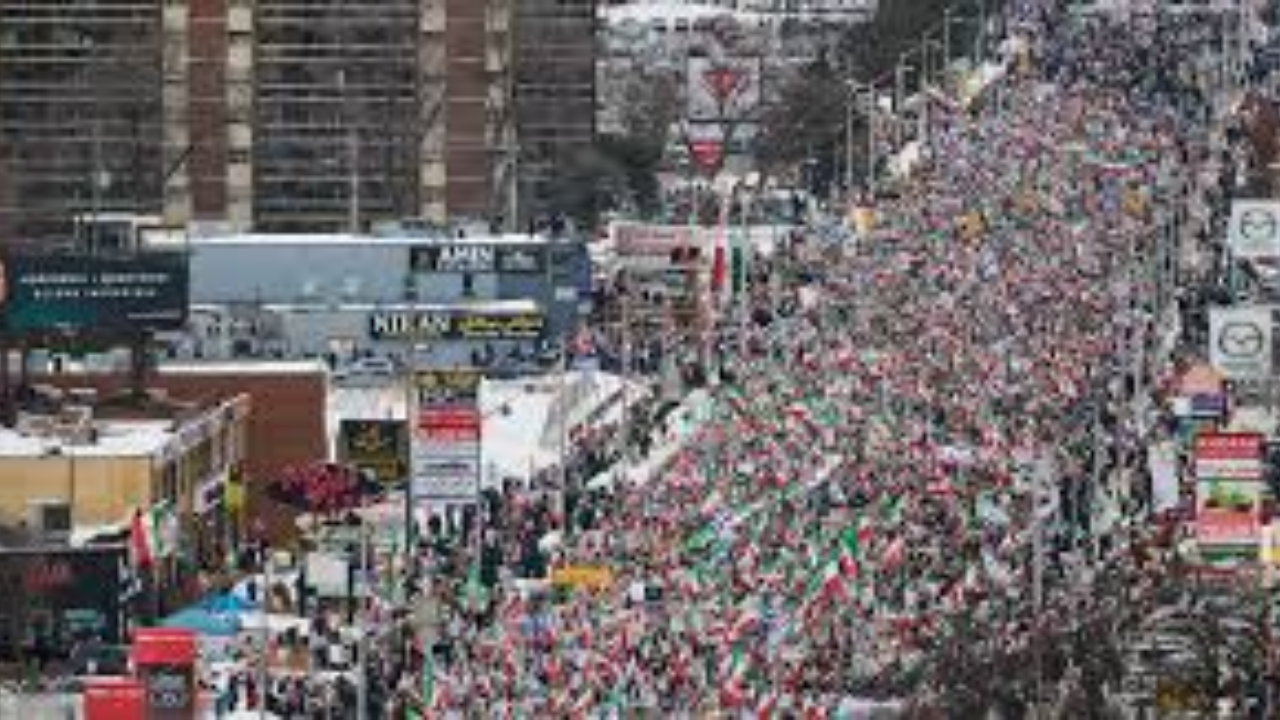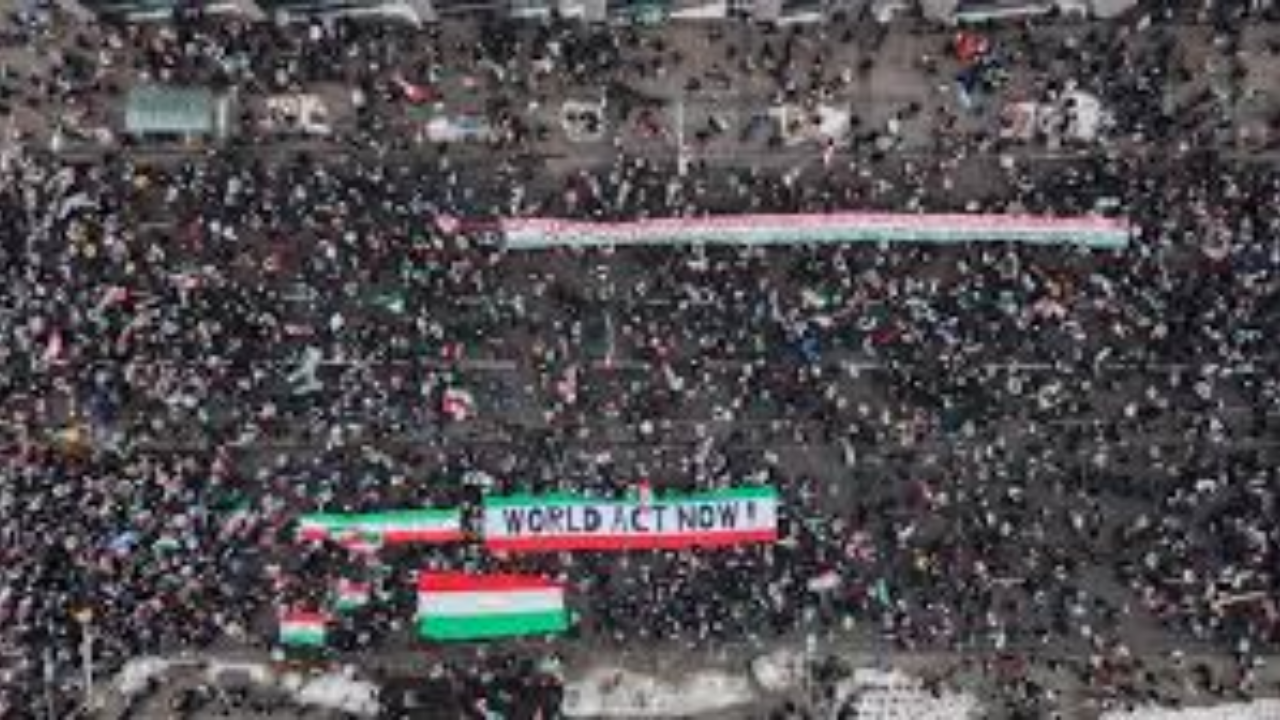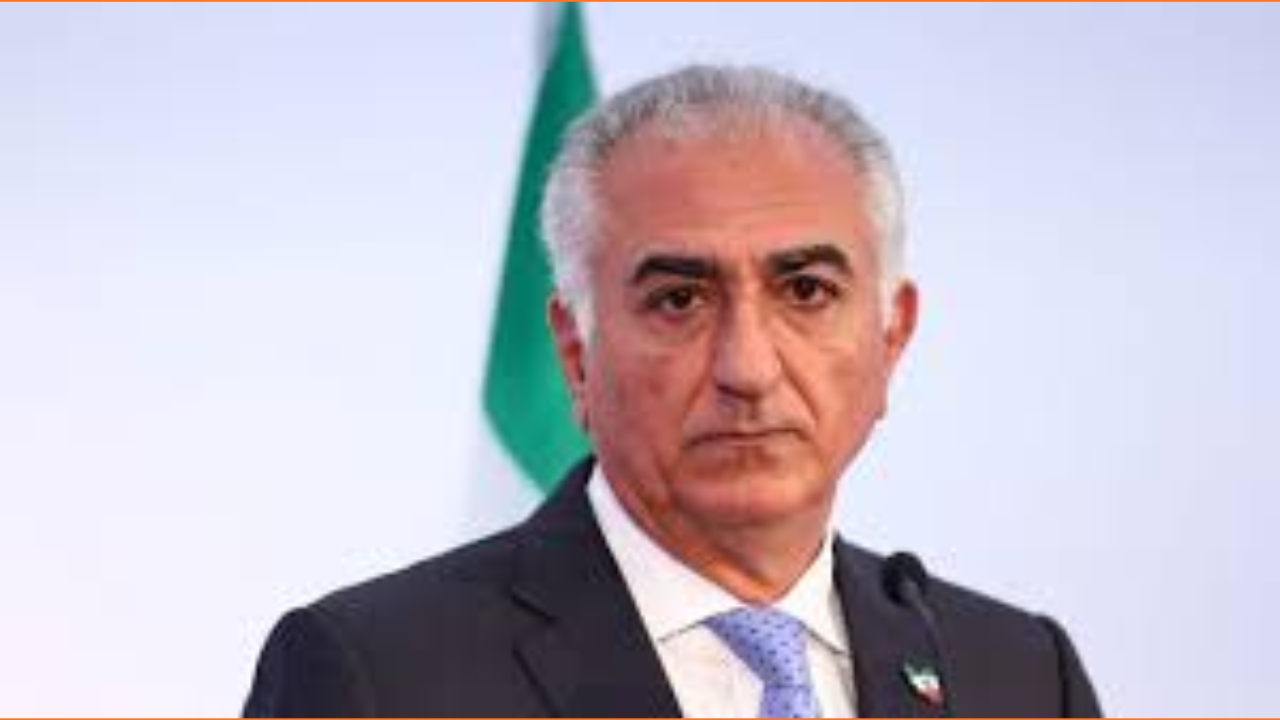
Reza Pahlavi occupies a unique, if polarized, space in Iranian politics. Depending on who you ask, he is either the rightful heir to a modernized Iran or a figurehead benefiting from nostalgia. As the “Woman, Life, Freedom” movement continues to evolve, his role remains one of the most debated topics in the diaspora.
Thank you for reading this post, don't forget to subscribe!1. The Argument for the “Unifier”
For his base, Pahlavi represents a bridge to a pre-1979 era of secularism and global integration.
- Diplomatic Weight: He uses his name to open doors in Washington and Brussels that are often closed to other activists.
- The “King” Who Doesn’t Want a Crown: He has frequently claimed his goal is a secular democracy, stating that the Iranian people should vote on whether they want a republic or a symbolic monarchy.
- Stability: Proponents argue that a known quantity like Pahlavi prevents a power vacuum and provides a “stable” face for a post-Islamic Republic transition.
2. The Argument for the “Opportunist”
Detractors see his prominence as an obstacle to true grassroots democracy.
- Generational Gap: There is a stark disconnect between the Gen Z protesters facing bullets in Iran and a leader-in-exile who hasn’t stepped foot in the country in over 45 years.
- The Burden of History: Critics argue he hasn’t sufficiently distanced himself from the human rights abuses of his father’s regime. To them, “Pahlavi” represents a return to one-man rule.
- Factionalism: His involvement in the 2023 “Mahsa Charter” coalition was short-lived. Many activists blamed the collapse on his “monarchist-or-nothing” supporters, suggesting his presence divides the opposition more than it unites it.