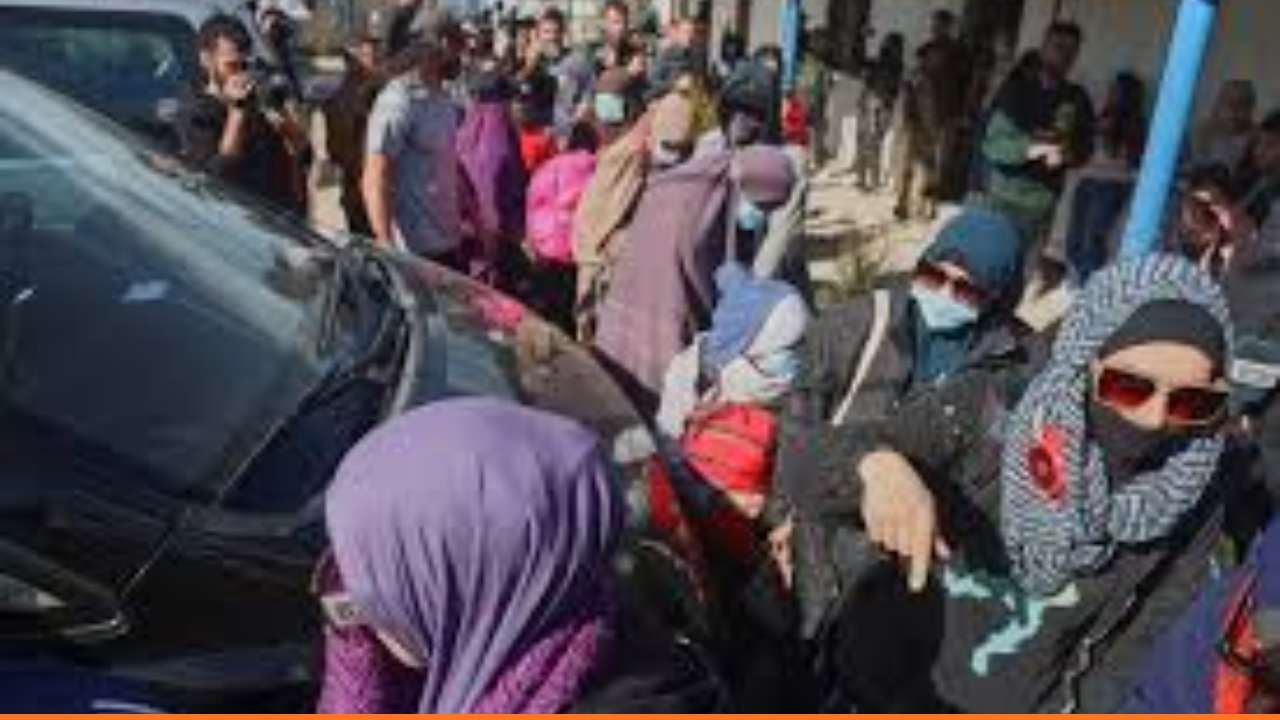
On February 16, 2026, a significant group of Australian citizens—primarily women and children—reportedly began their journey home from the Roj detention camp in northeast Syria. This development marks a potential turning point in a long-standing humanitarian and security standoff.
Thank you for reading this post, don't forget to subscribe!The Current Move
- The Group: Approximately 34 Australians (comprising 11 families) have left the camp. These individuals are the family members of deceased or imprisoned Islamic State (IS) fighters.
- Logistics: Syrian Kurdish authorities reportedly handed the group over to family representatives. They were last seen being escorted by bus toward Damascus.
- Official Position: The Australian government has clarified that this is not a state-led extraction mission. While they are monitoring the situation, the government maintains its policy against further official repatriation operations due to security risks.
Key Challenges and Context
| Factor | Description |
| Legal Status | While these individuals hold Australian citizenship, they may face immediate police questioning or prosecution under “declared area” laws upon arrival. |
| Security Risks | The government remains cautious about the potential for radicalization, though human rights groups argue the camps themselves are a far greater threat to long-term safety. |
| Logistical Hurdles | Recent reports suggest the convoy faced delays near Damascus due to authorization disputes with the Syrian regime, highlighting the volatility of the region. |
The Humanitarian Perspective
Summary of the Situation
While the Australian government isn’t leading the charge, the departure of 34 citizens signals a “now or never” moment for these families. The successful return of this group would leave only a very small number of Australians remaining in northeast Syria.