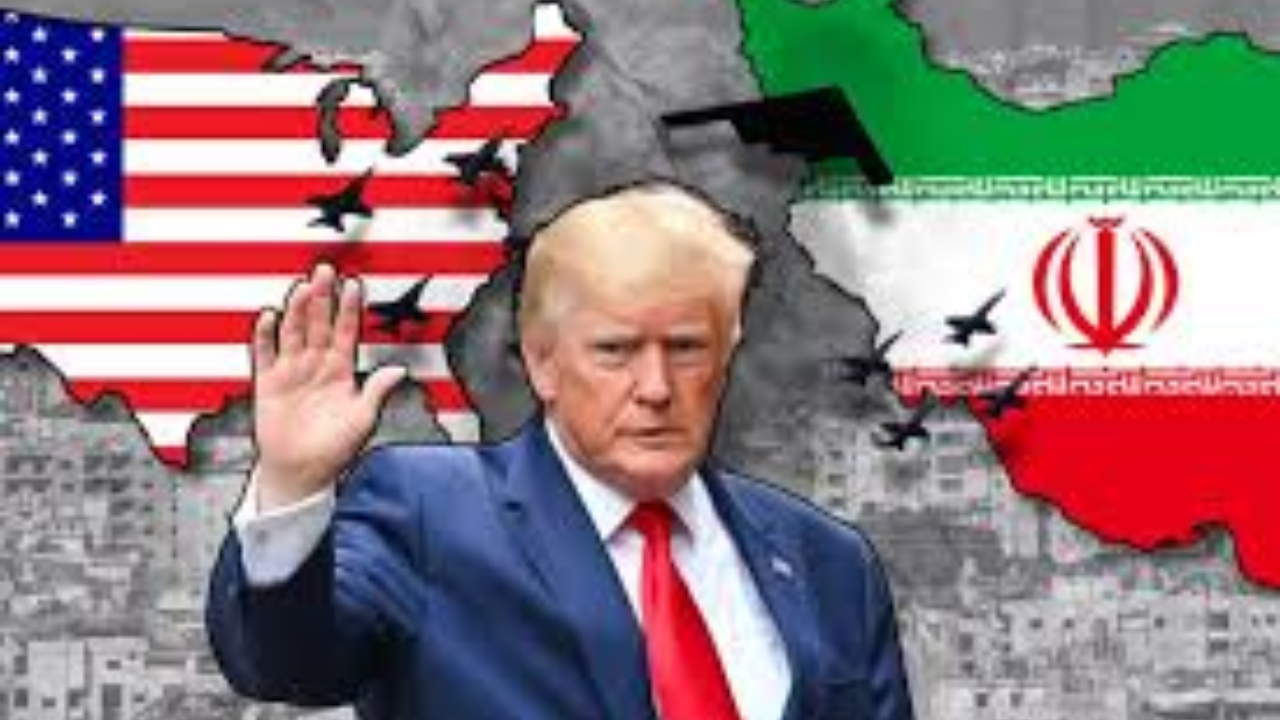
The tenuous conditional ceasefire between the U.S. and Iran is facing its first major collapse as violence in Lebanon surges. Despite the truce intended to cool regional tempers, a massive spike in Israeli military activity has pushed Tehran to issue a direct threat of retaliation.
Thank you for reading this post, don't forget to subscribe!The Iranian Response: Economic and Military Pressure
On April 8, 2026, Iran signaled that its patience regarding Lebanon has reached its limit. The IRGC has warned of a “regret-inducing” counterattack if Israeli operations against Hezbollah do not cease immediately.
To back this threat, Tehran has reportedly targeted a global economic nerve center:
- Strait of Hormuz: Iranian state media claims the strategic waterway has been closed. While the White House has disputed the total closure, they have acknowledged a significant disruption in maritime traffic.
- Diplomatic Fallout: Iran views the continued strikes as a violation of the spirit of the recent ceasefire, accusing the U.S. of failing to restrain its ally.
Israel’s “Ten-Minute” Campaign
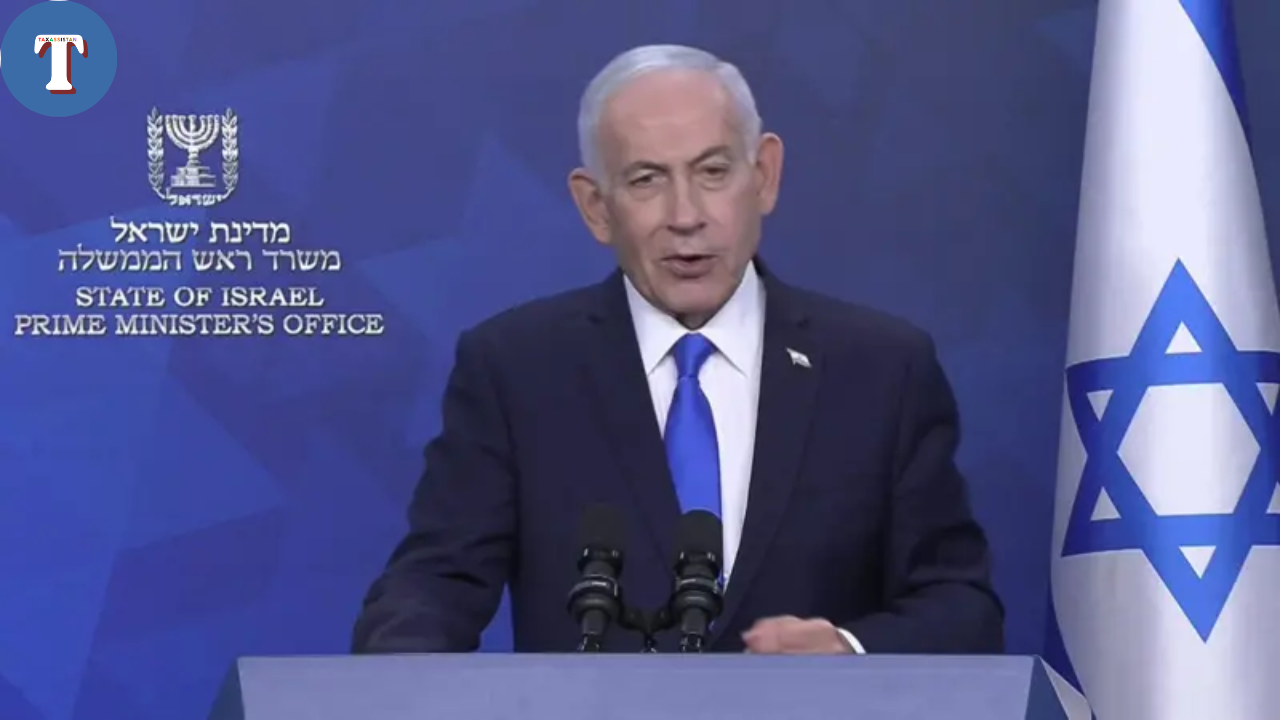
Israel has maintained a firm stance that the ceasefire with Iran excludes Lebanon. This distinction led to one of the most intense aerial bombardments of the conflict thus far:
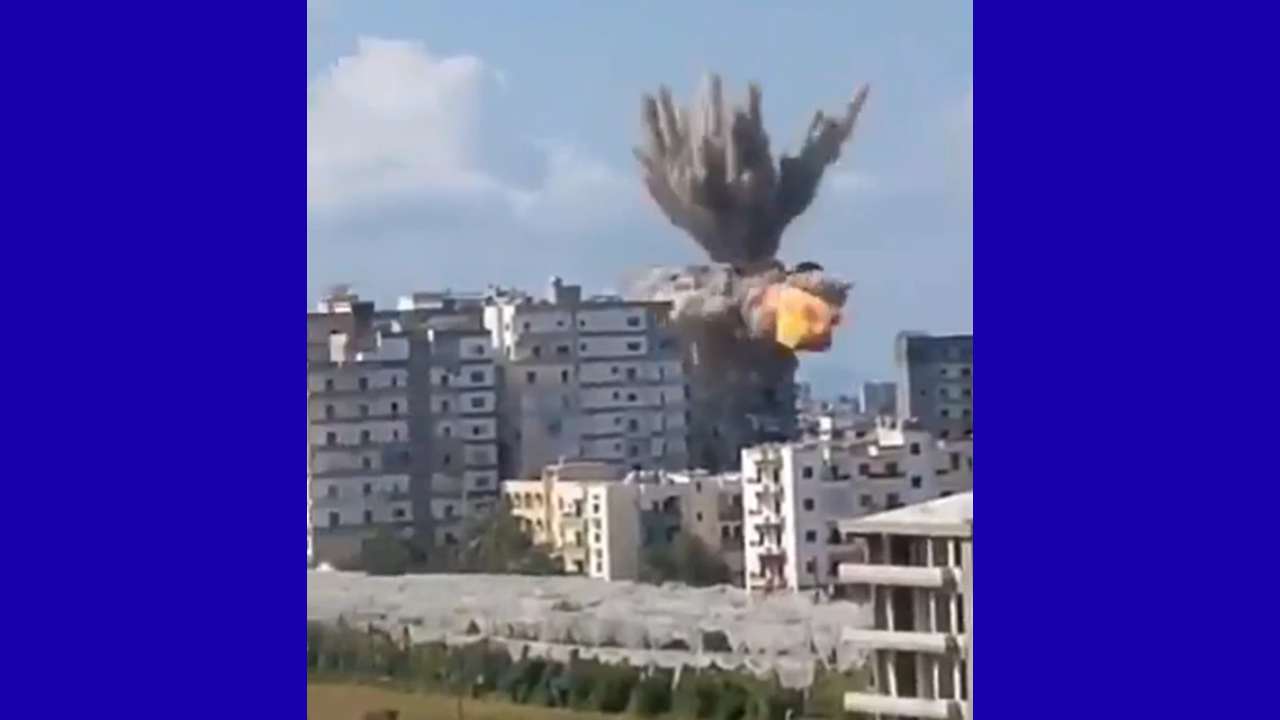
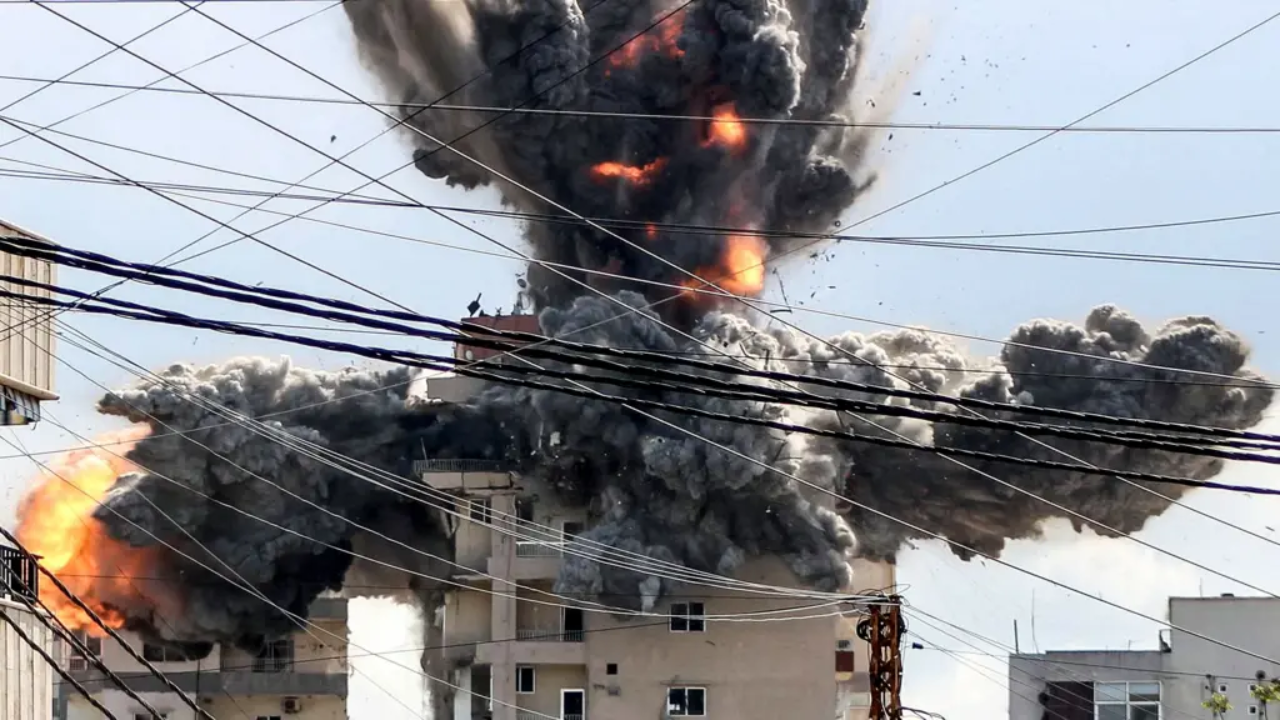
- The Blitz: Utilizing 50 fighter jets, the IDF dropped 160 munitions on roughly 100 targets within a single 10-minute window.
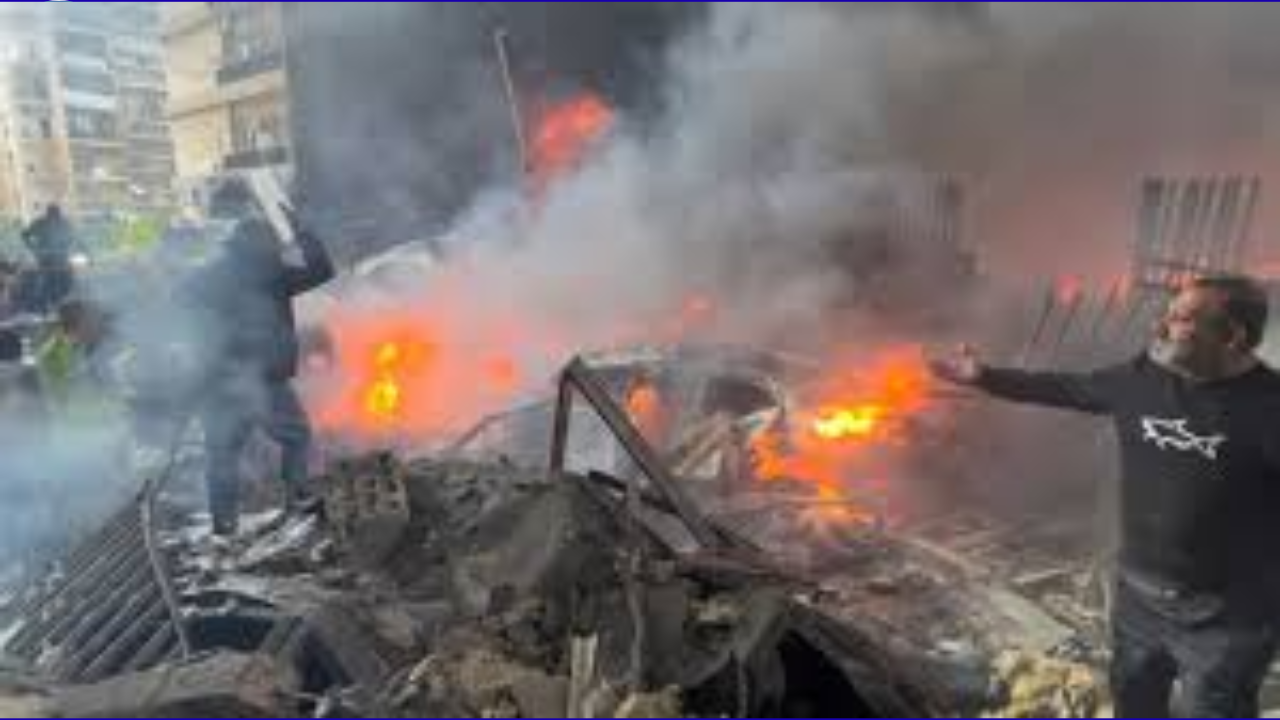
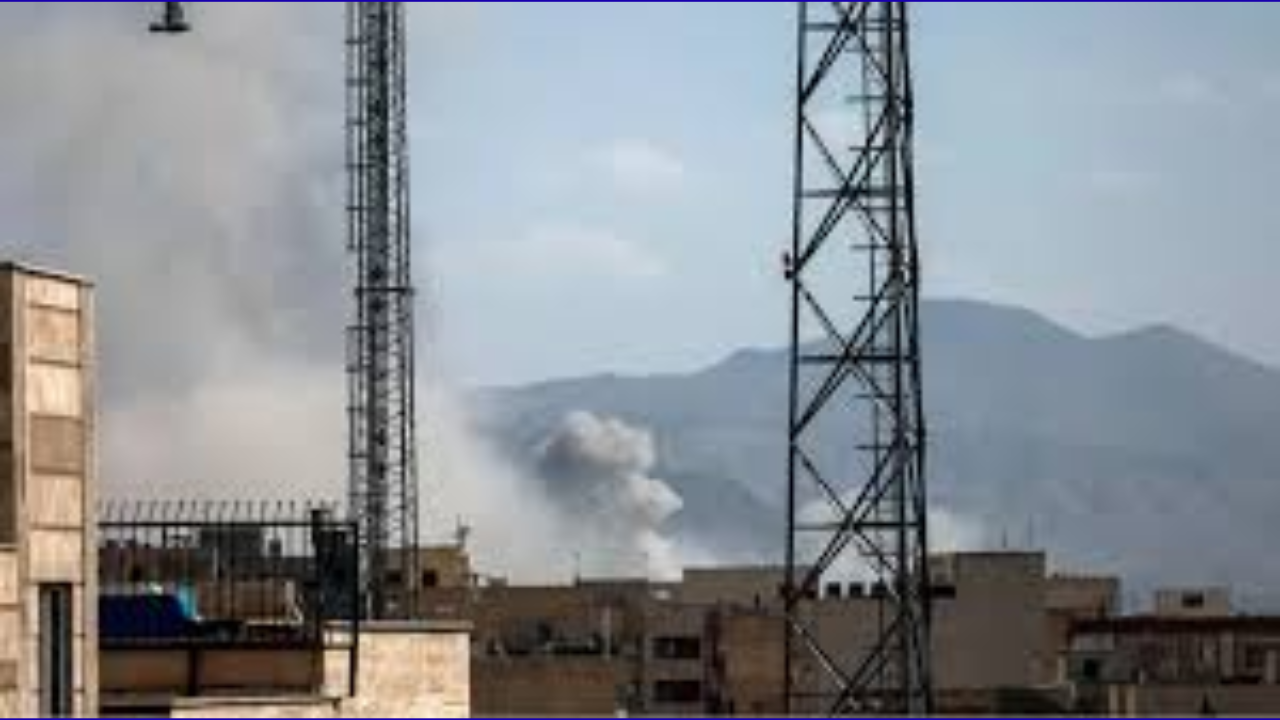
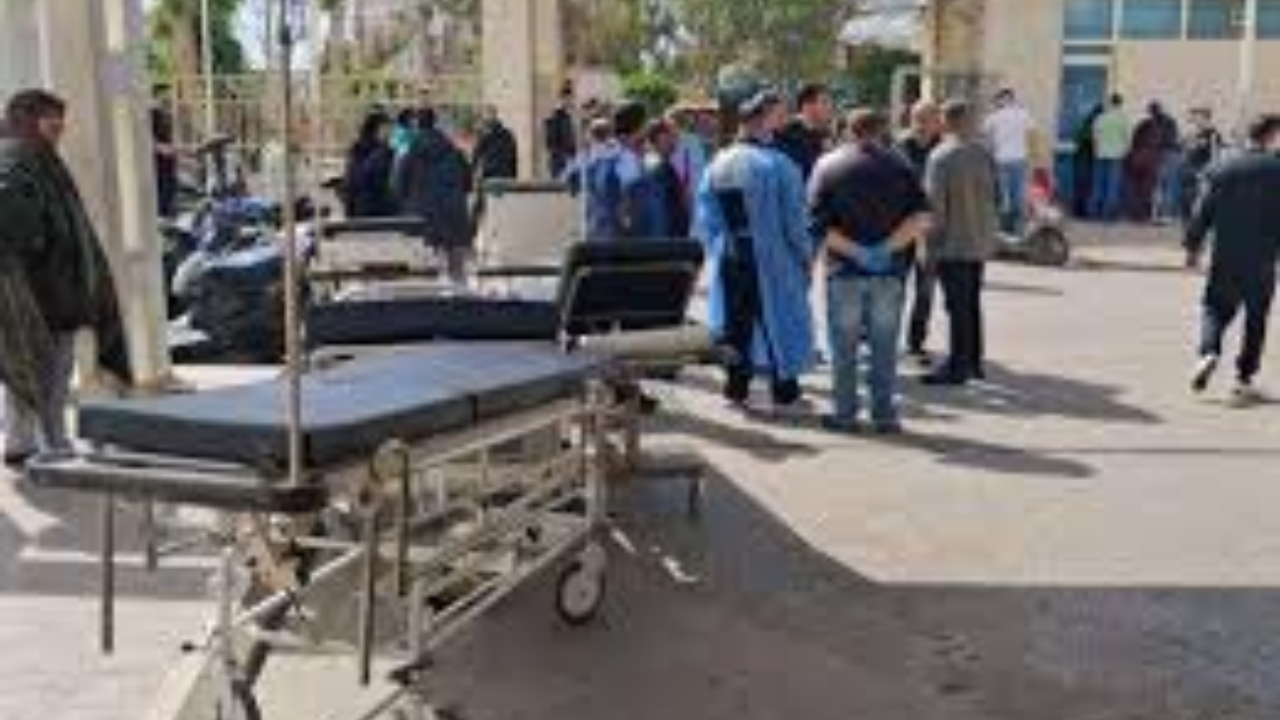
- Casualties: The strikes, which hit Beirut and the Bekaa Valley, resulted in over 112 deaths and hundreds of injuries in less than 24 hours.
- Strategic Goal: Israel remains committed to dismantling Hezbollah’s command structure, asserting that the safety of its northern citizens is non-negotiable, regardless of regional truces.
A Fatal Miscommunication?
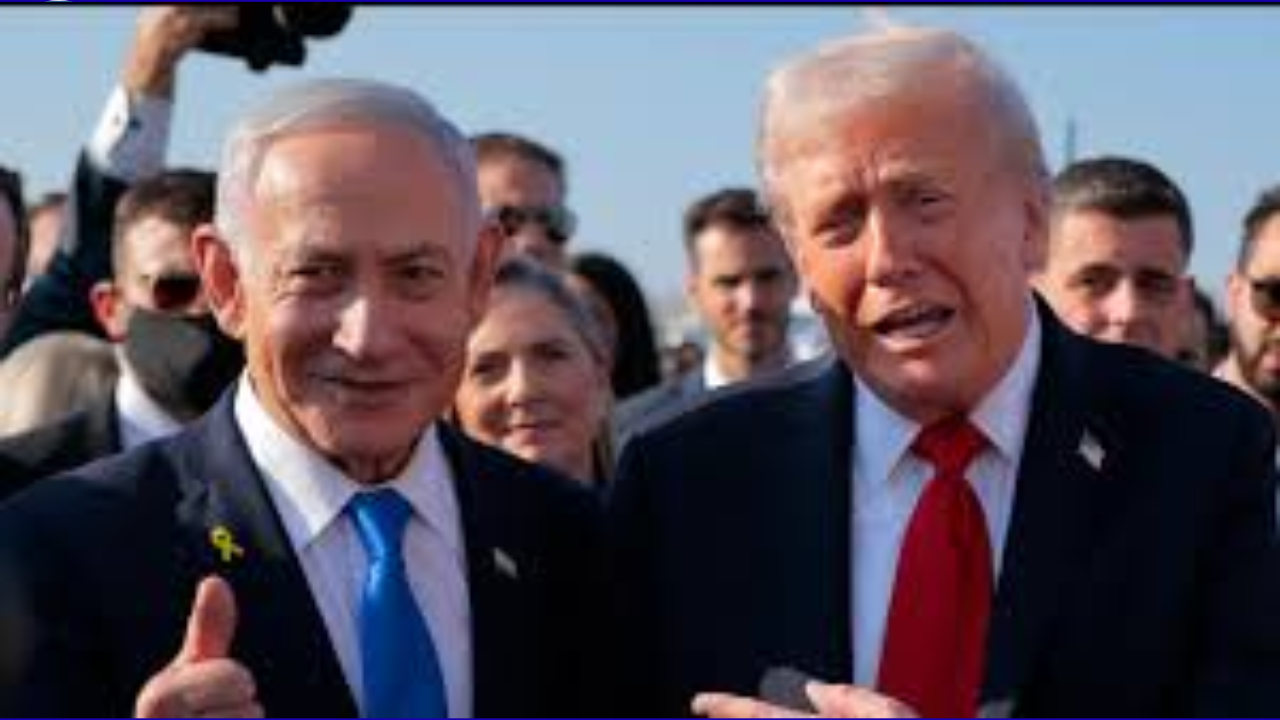
The current escalation stems from a fundamental disagreement over the “Two-Week Deal” brokered by President Trump and Pakistani intermediaries:
- The Israel/U.S. Interpretation: The truce was a bilateral agreement to stop direct U.S.-Iran hostilities; Lebanon was never on the table.
- The Iranian Interpretation: Negotiators believed the deal would lead to a comprehensive regional “freeze.”
Bottom Line: With Hezbollah resuming rocket fire on Galilee and the Strait of Hormuz in a state of flux, the risk of a full-scale regional war is at its highest point since the conflict began. The international community now watches to see if the two-week ceasefire can survive its first 48 hours.