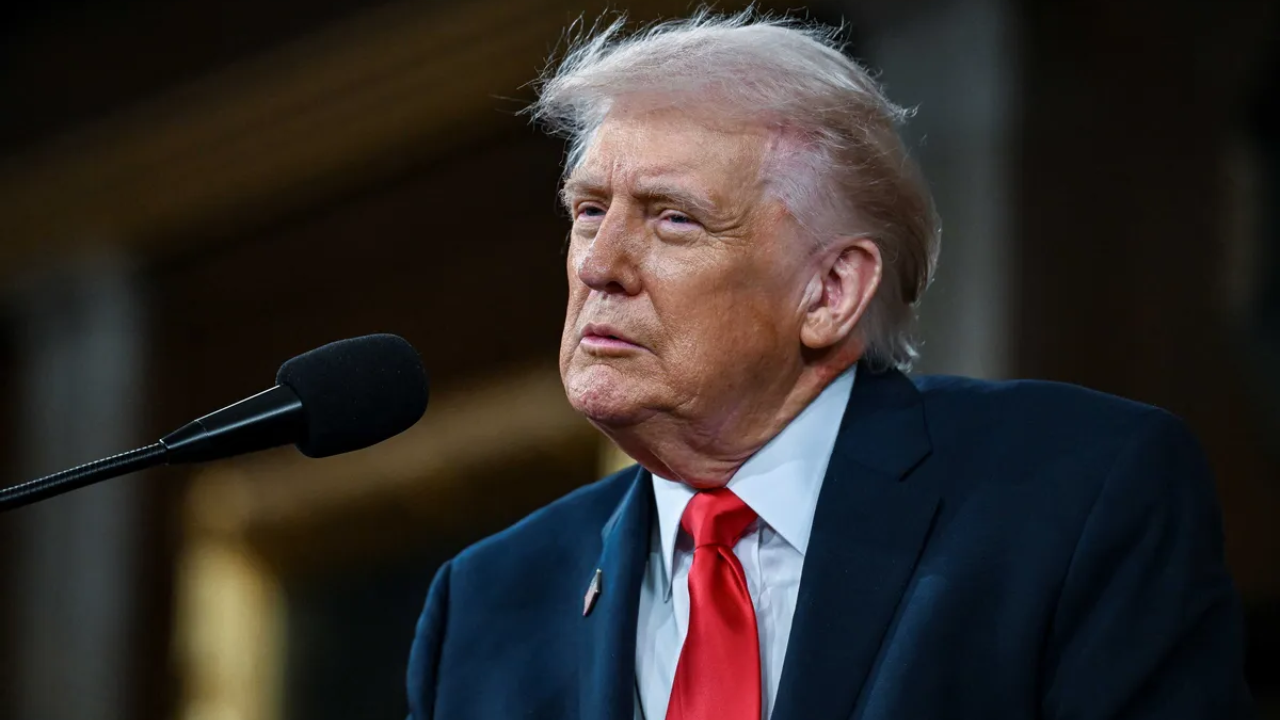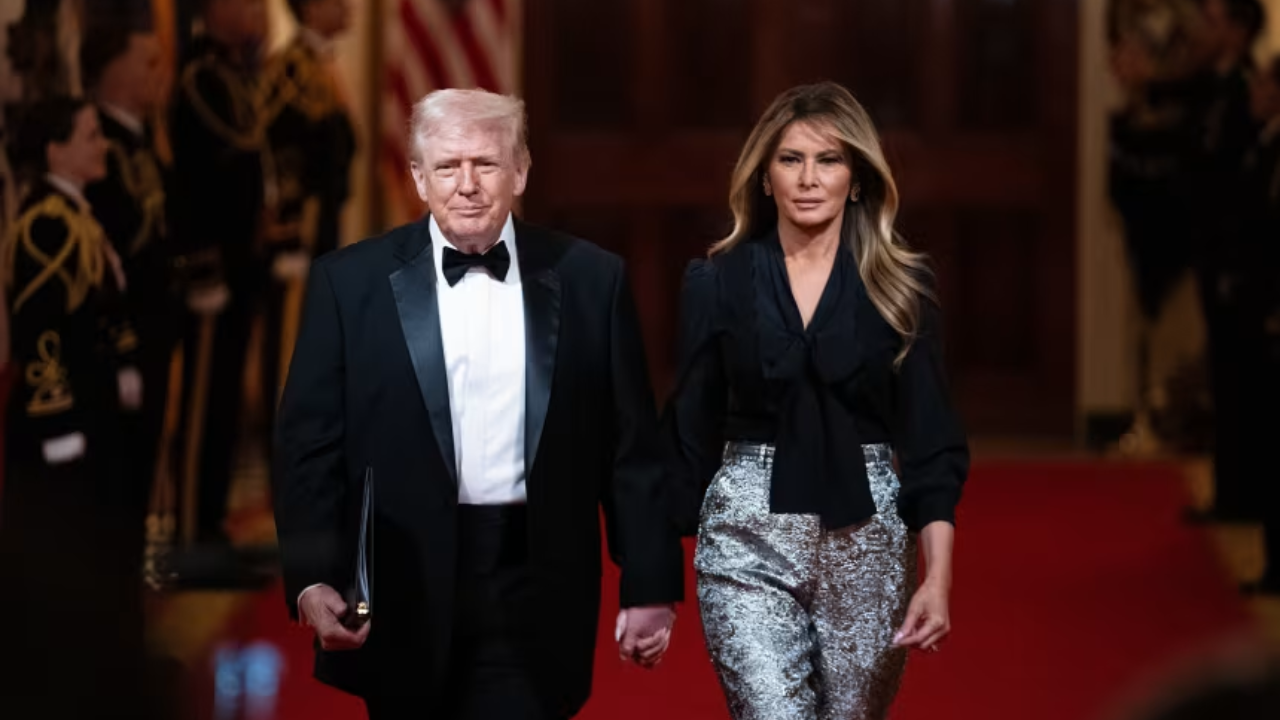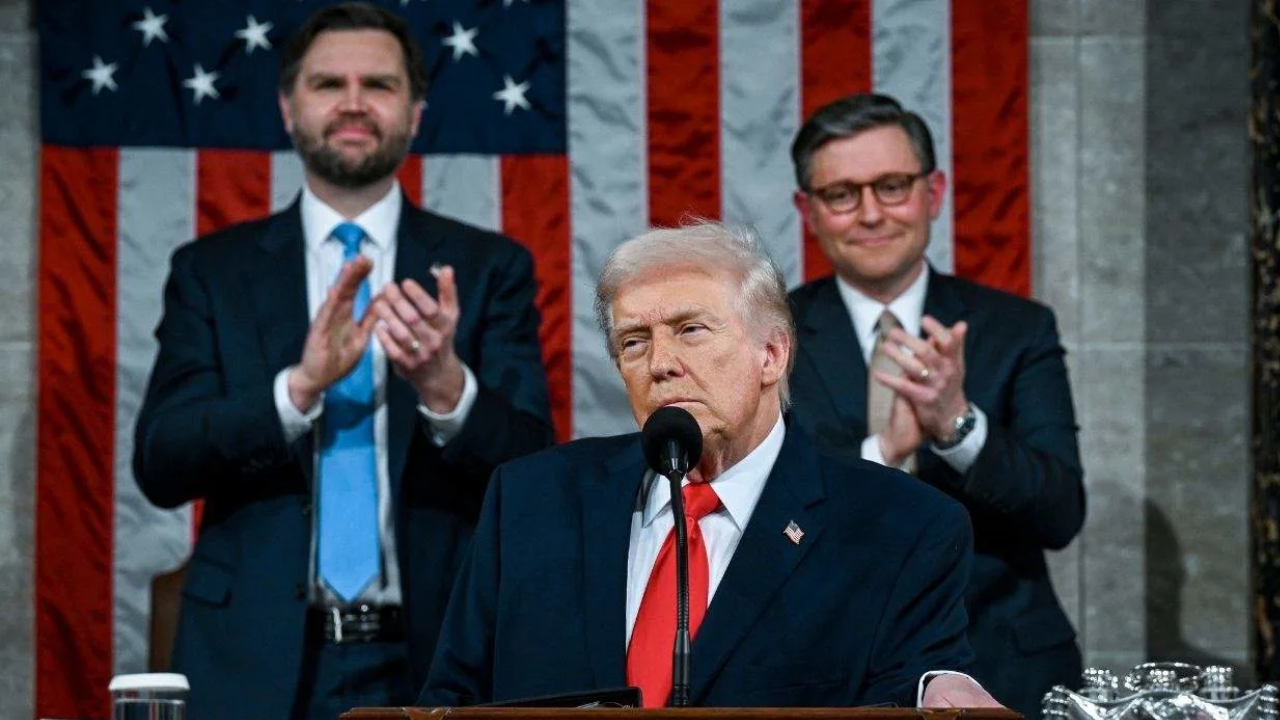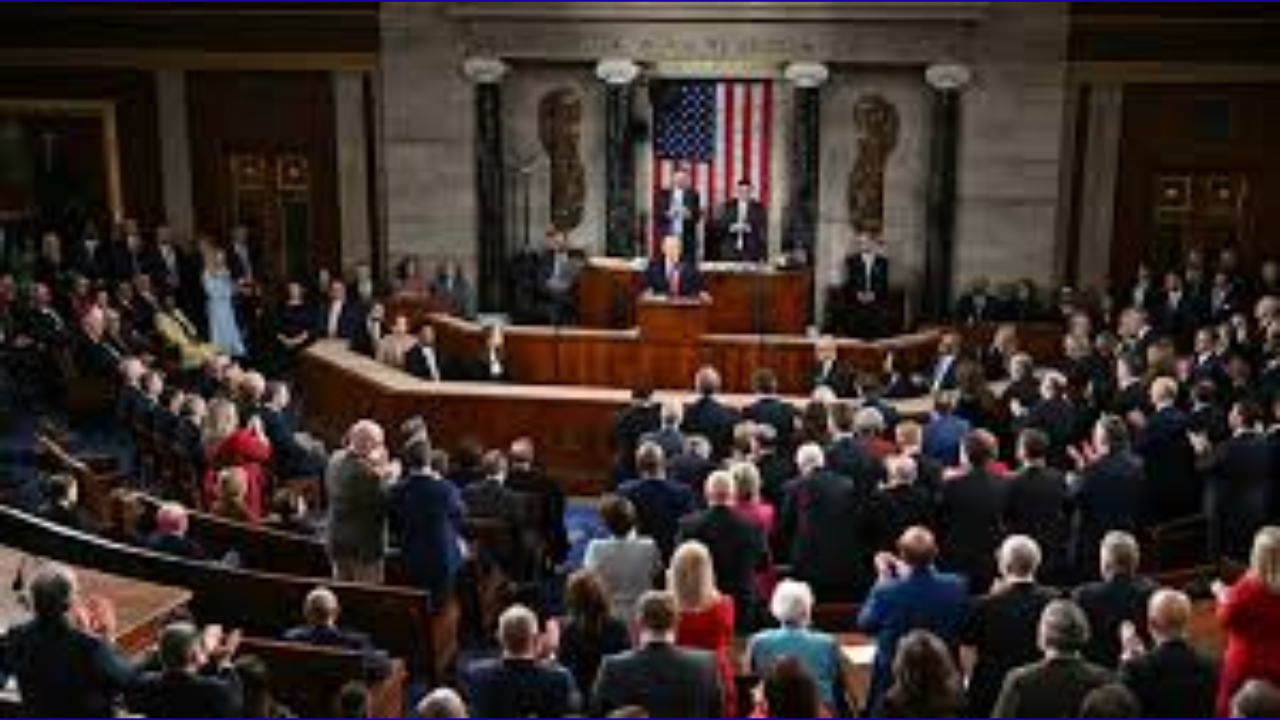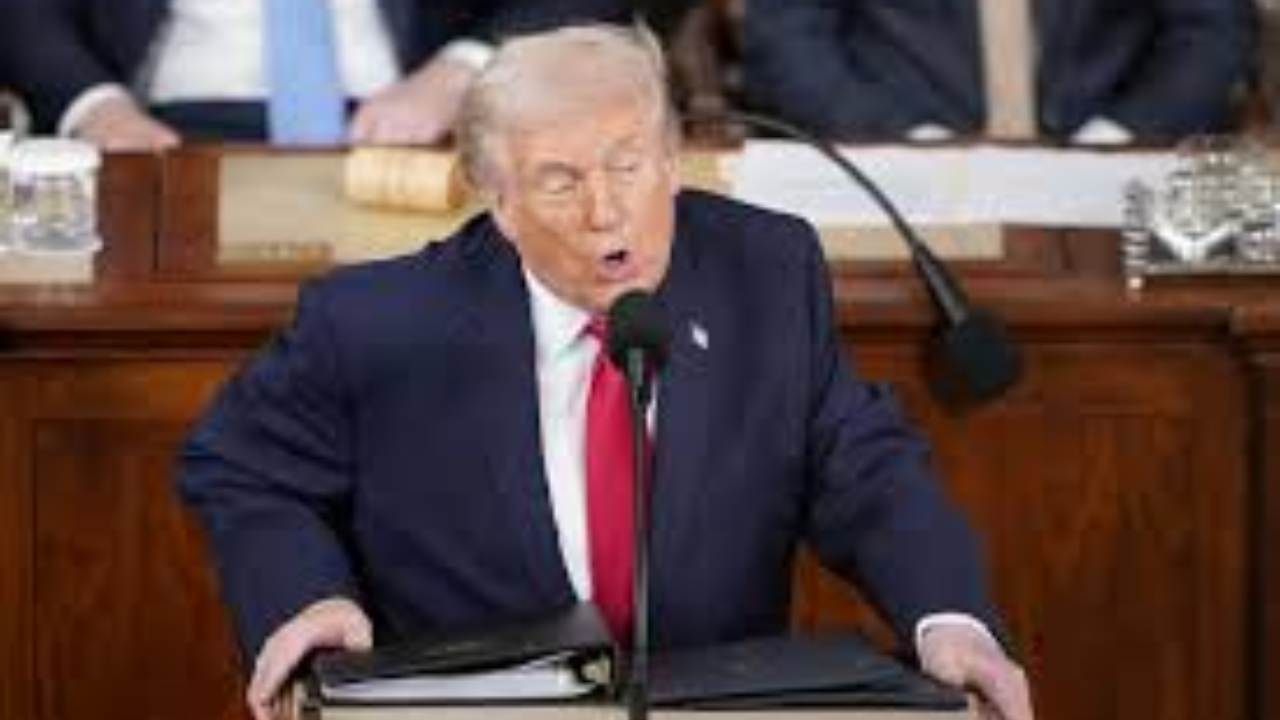
President Trump’s 2026 State of the Union was less a traditional policy report and more a high-stakes victory lap—with a side of legal defiance. Framing his second term around the upcoming semiquincentennial (the 250th anniversary of the U.S.), the President painted a picture of a nation in “the midst of a golden age,” while simultaneously drawing battle lines against the judiciary and his political rivals.
Thank you for reading this post, don't forget to subscribe!The Economic Narrative
The President leaned heavily into “pocketbook” politics. He pointed to falling gas prices and a surging stock market as proof of a successful “Great American Comeback.”
- The New Play: He introduced a “Ratepayer Protection Pledge,” aimed at making big tech companies shoulder the energy costs of AI and data centers to prevent consumer price spikes.
- Retirement Reform: A surprise proposal for federally-matched retirement accounts signaled an attempt to win over younger voters and the working class.
A Clash of Branches
Global Shifts and Domestic Health
- Geopolitics: The rhetoric on Iran remains high-octane, but the President spent more time touting a new “oil partnership” with a post-Maduro Venezuela, showcasing a shift toward pragmatic (if controversial) energy alliances.
- The MAHA Movement: The influence of Robert F. Kennedy Jr. was palpable. Trump’s focus on “toxic chemicals” in the food supply and childhood health suggests that the “Make America Healthy Again” platform is moving from a campaign slogan to a core legislative priority.
The Atmosphere of Dissent
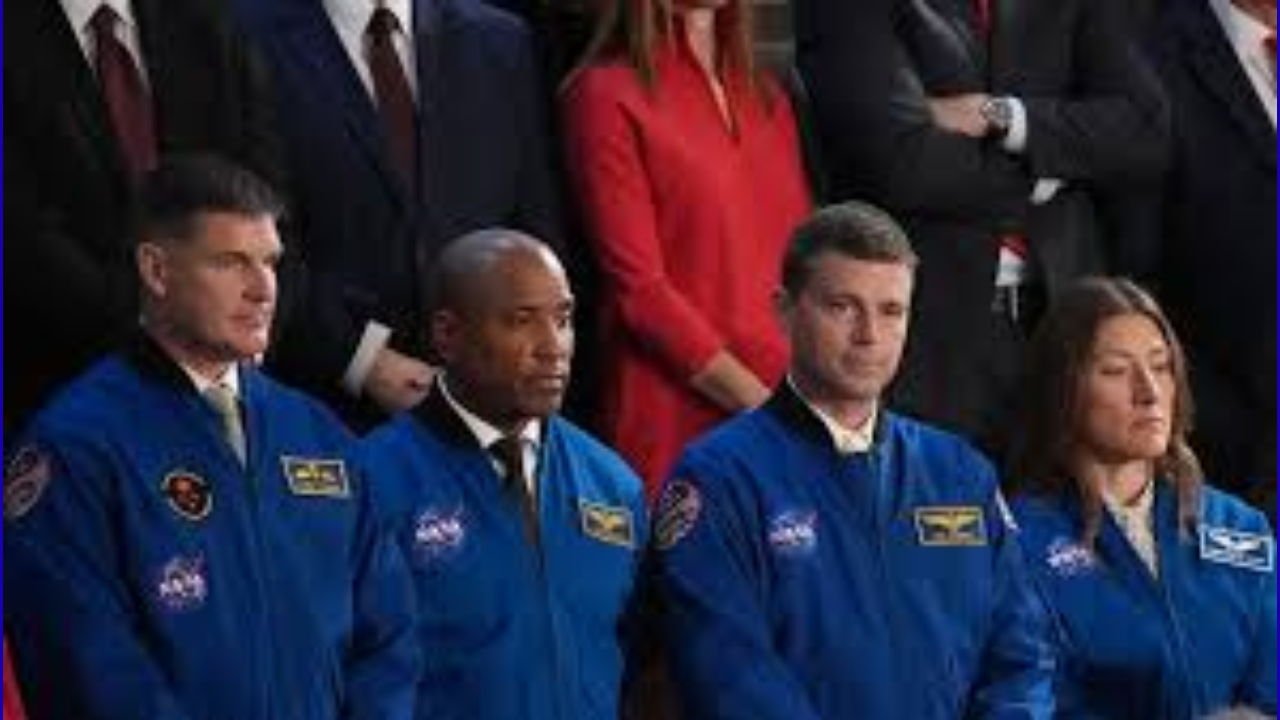
The speech was defined as much by who was not there as who was. With numerous Democratic boycotts and an mid-speech ejection of Rep. Al Green, the 2026 SOTU served as a stark reminder that while the economy may be “roaring” in the President’s eyes, the political divide remains as deep as ever.