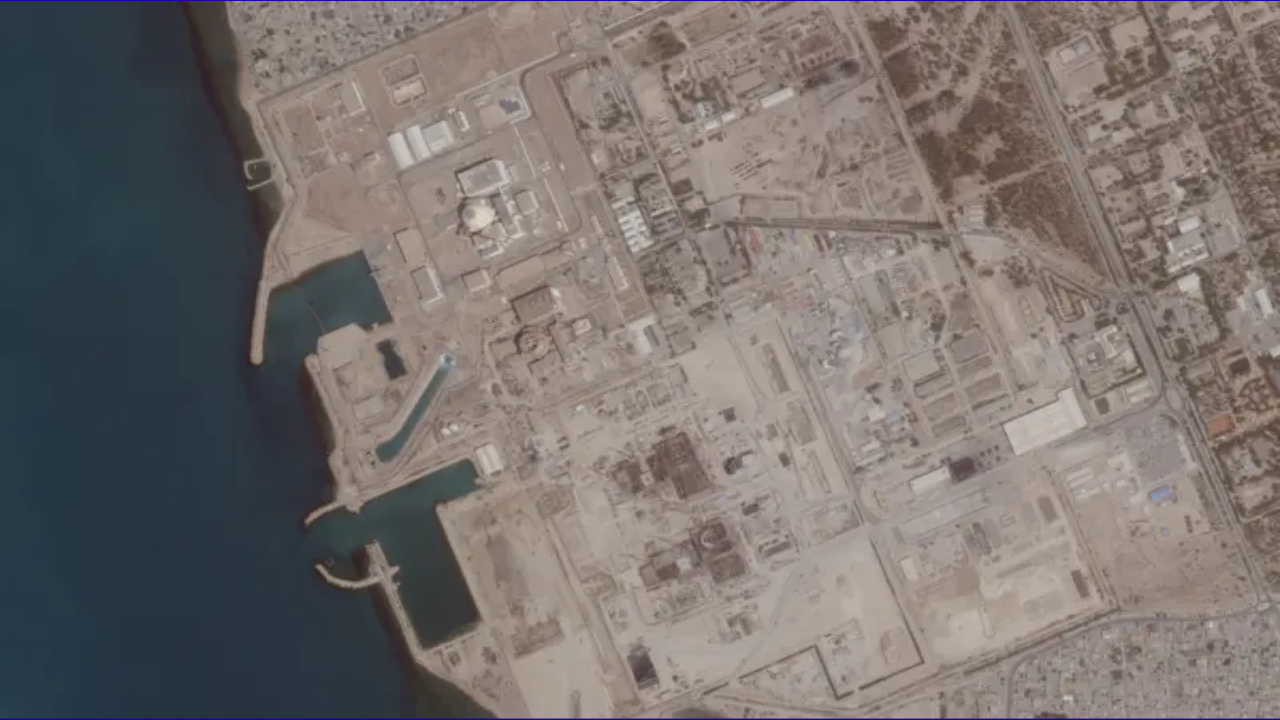
Following a series of military strikes, Russia has significantly accelerated the withdrawal of its technical personnel from Iran’s Bushehr Nuclear Power Plant. While the facility remains operational, the proximity of recent kinetic actions has prompted a near-total evacuation of foreign staff.
Thank you for reading this post, don't forget to subscribe!1. The Security Incident
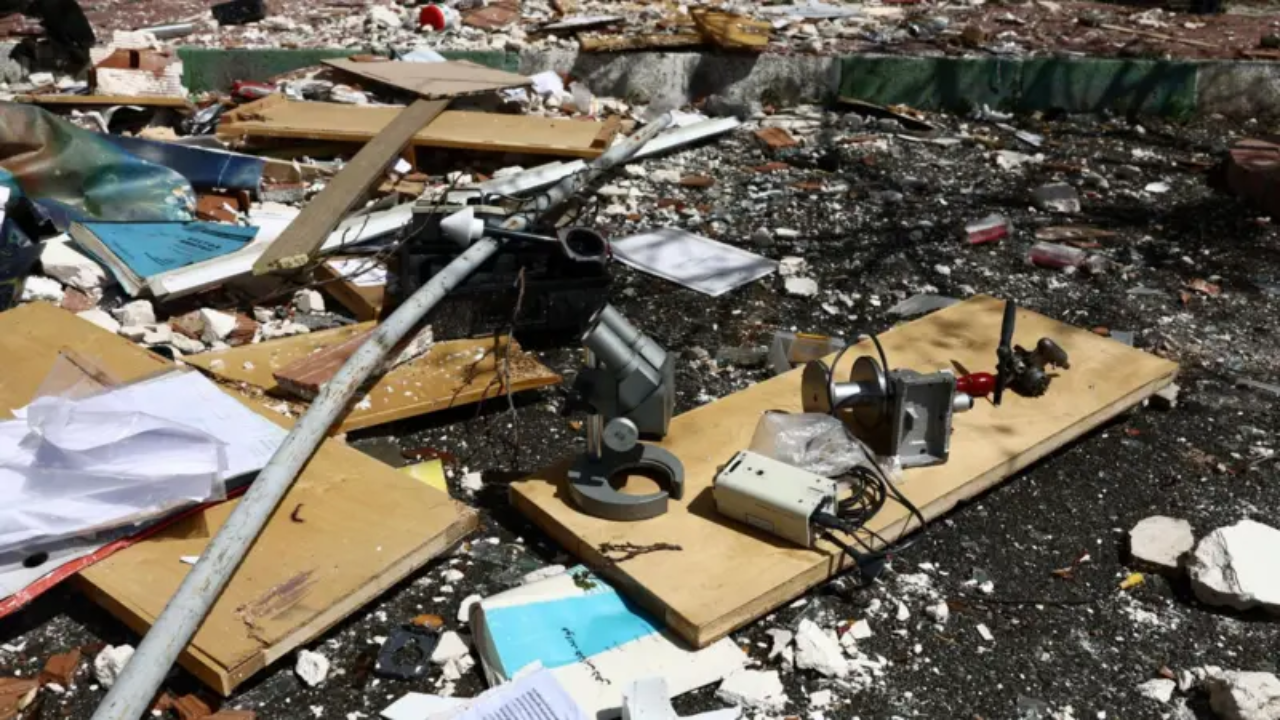
- The Strike: On Saturday morning, a projectile from a U.S.-Israeli operation landed within the plant’s perimeter.
- Impact: The strike hit an auxiliary support building. While the reactor cores and primary containment structures remain undamaged, the blast resulted in the death of one Iranian security guard.
- Environmental Safety: The IAEA has monitored the site and confirmed no spike in radiation levels. Power generation continues, though the site is under extreme duress.
2. Russian Withdrawal Details
- Mass Departure: Rosatom (Russia’s state nuclear agency) evacuated 198 employees on Saturday alone.
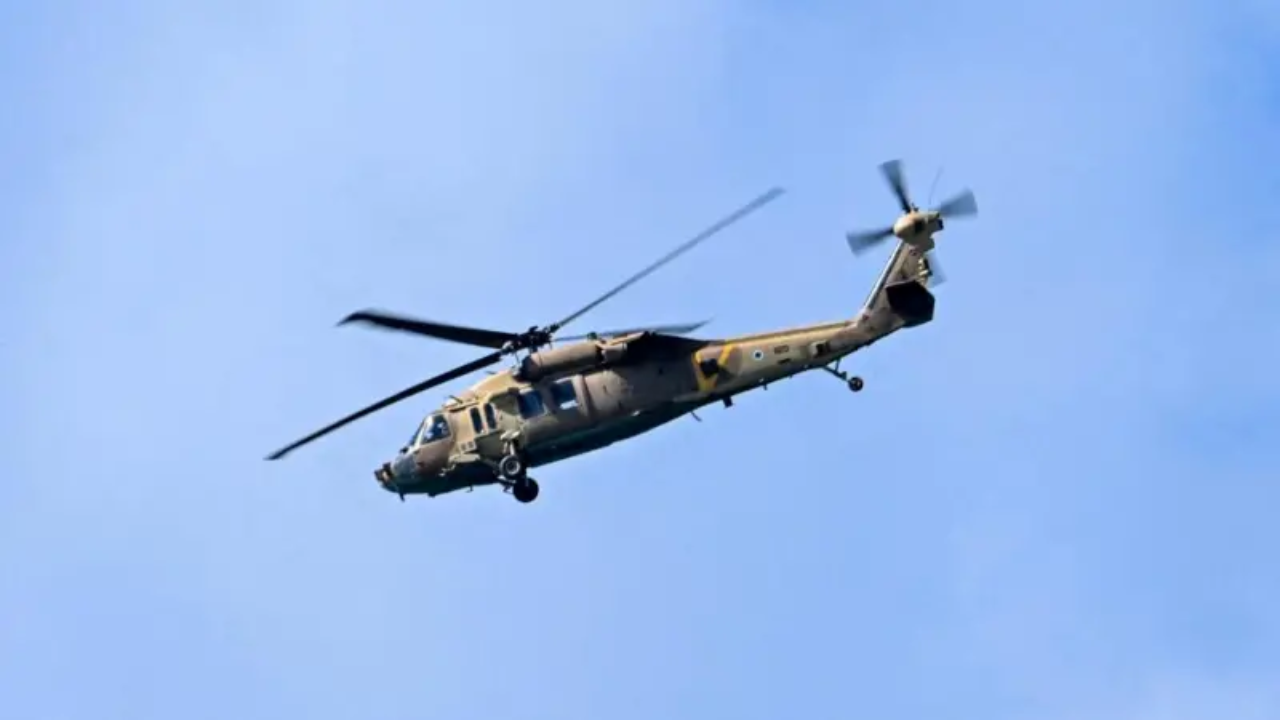
- Coordinated Exit: In a rare diplomatic move, Russian officials reportedly coordinated with the IDF to establish a deconfliction window, ensuring the transport planes could depart safely.
- Staffing Levels: Before the escalation of “Operation Epic Fury” in late February 2026, over 700 Russians worked at the site. Following this “final wave,” only a skeleton crew of roughly 50 specialists remains to manage critical safety systems.
- Logistics: The majority of the personnel are being repatriated via transit hubs in Armenia.
3. Regional and Global Stakes
- Geographic Risks: Iranian officials have warned that the plant’s location on the Persian Gulf means any catastrophic failure would pose an immediate radioactive threat to nearby capitals like Kuwait City and Doha.
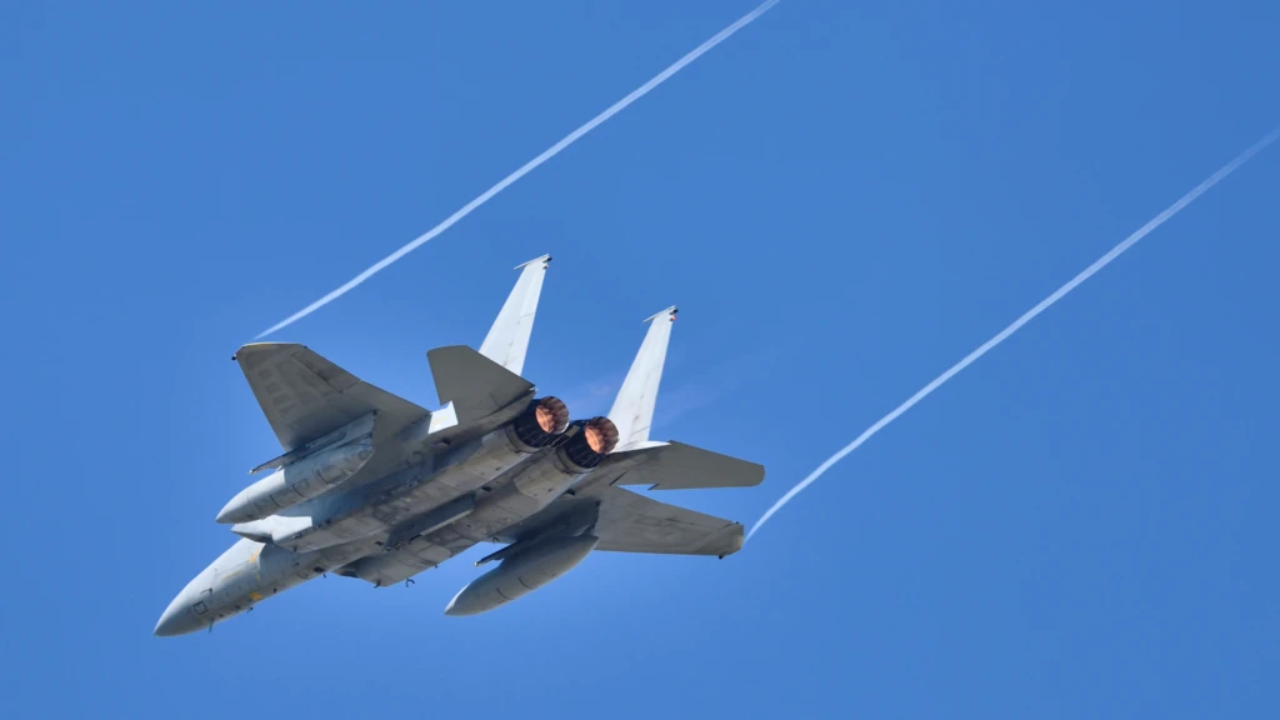
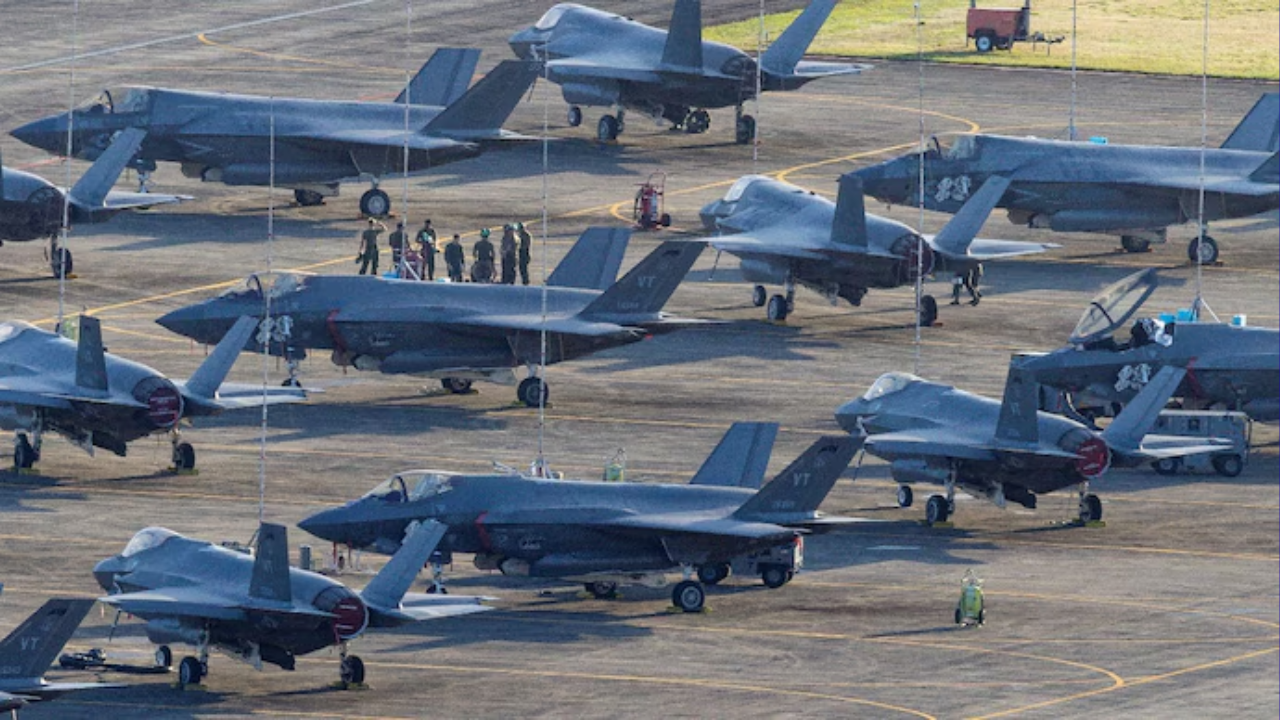
- The Diplomatic Deadlock: Despite the “worst-case scenario” warnings from Rosatom, peace talks remain stalled. A recent 48-hour ceasefire proposal was reportedly rejected by Tehran, leading to continued strikes on military-industrial targets within Iran.