External pressures could dampen India’s growth outlook, according to RBI Governor Sanjay Malhotra. Despite strong domestic drivers and fundamentals, spillovers from external challenges and weather-related events pose a risk, Malhotra stated on Monday in the foreword to the central bank’s half-yearly Financial Stability Report.1
Thank you for reading this post, don't forget to subscribe!Inflation Under Control, Growth Aspirations Remain
While acknowledging downside risks to growth, Malhotra noted that inflation is benign and there’s “greater confidence in the durable alignment of inflation with the RBI’s target.”2 Retail inflation, measured by the Consumer Price Index (CPI), cooled to 2.82% year-on-year in May, its lowest level in over six years.3 This marks the fourth consecutive month of sub-4% inflation, the longest such streak in at least five years.4
Regarding GDP growth, Malhotra stated in May that it remains lower than aspirations, but the central bank has retained its forecast at 6.5% for 2025-26.5 India’s economy expanded 6.5% in 2024-25, its slowest pace in four years.6
Global Headwinds and Structural Shifts
Malhotra highlighted several external factors impacting the global economy:
- Trade and Economic Policy: The US administration’s announcement of large tariffs in April has ushered in a “new paradigm in trade and economic policy.”
- Geopolitical Risks: These remain elevated, contributing to policy uncertainty and unpredictability that influence global growth.7 International agencies like the IMF, OECD, and World Bank have all revised their growth forecasts downwards.8
- Financial Stability: Near-term global financial stability risks have increased.
- Structural Shifts: The global economy is undergoing significant changes, including “growing fragmentation in trade, rapid technological disruption, ongoing climate change and protracted geopolitical hostilities.”9
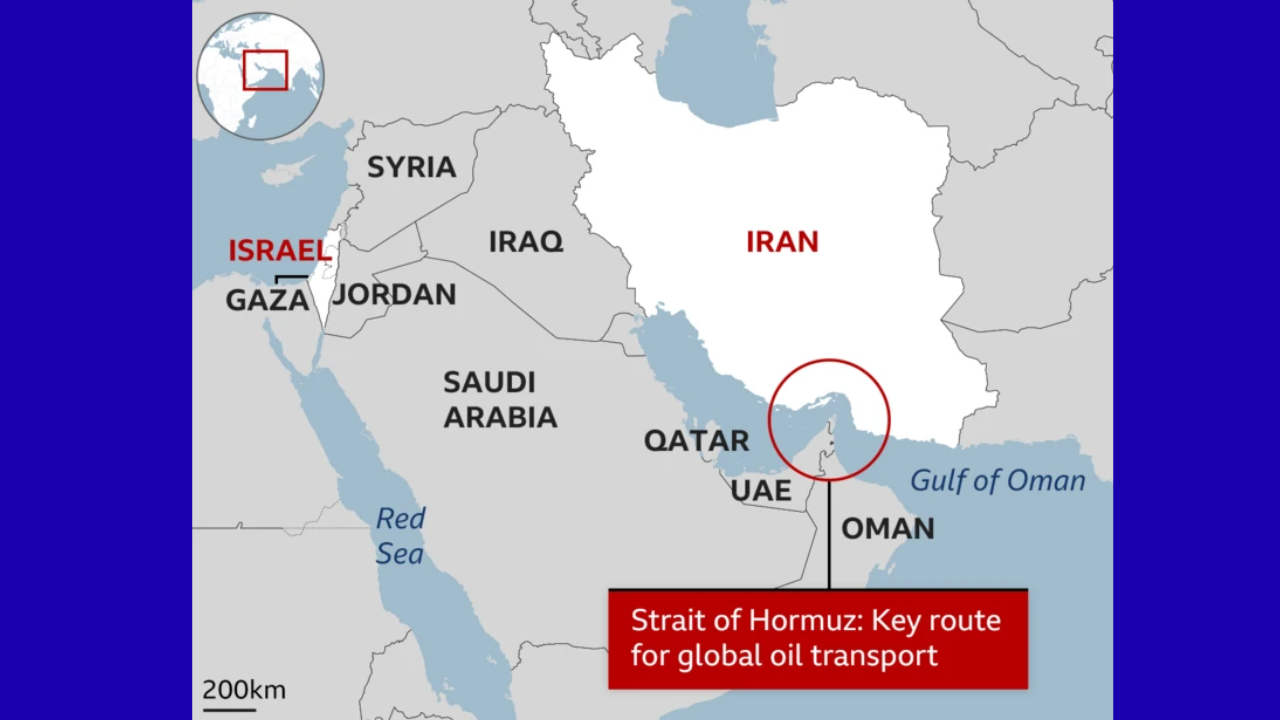
Malhotra also pointed to the recent spike in oil prices due to the Israel-Iran conflict, which have since cooled. For India, which imports nearly 90% of its energy needs, a sustained rise in oil prices would inflate the import bill, with the impact on consumer inflation depending on whether refiners absorb the costs.