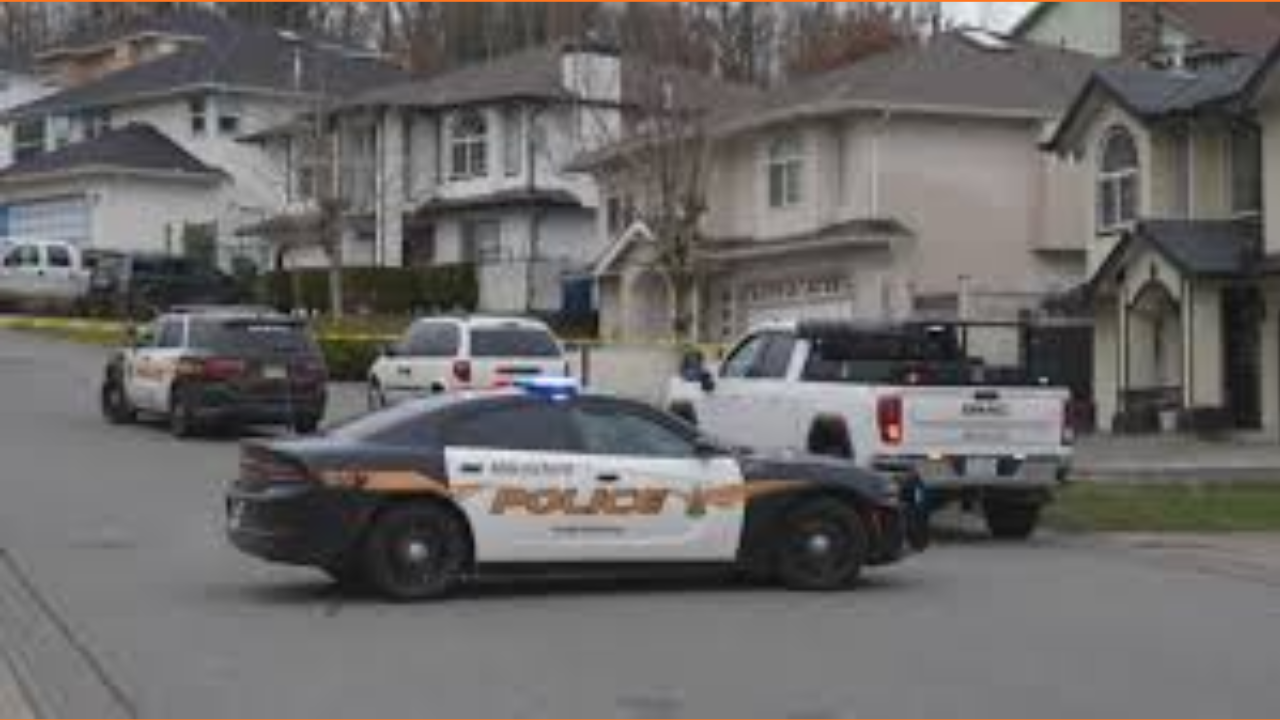
Minneapolis is once again at the center of a national firestorm after a U.S. Customs and Border Protection (ICE) officer fatally shot Renee Nicole Macklin Good, a 37-year-old mother and citizen, during a massive federal immigration sweep. The incident has triggered widespread civil unrest and a bitter legal standoff between state and federal officials.
Thank you for reading this post, don't forget to subscribe!The Conflict on Portland Avenue
On the morning of January 7, 2026, federal agents were conducting a wide-scale operation in the Twin Cities. According to eyewitnesses and local reports:
- Conflicting Commands: Agents allegedly gave Good contradictory orders—one telling her to move her vehicle while another attempted to force entry into the car.
- The Shooting: As Good attempted to drive away from the confusion, an agent opened fire.
- Diverging Stories: Federal officials have labeled Good a “domestic terrorist” who used her vehicle as a weapon. Conversely, local leaders and witnesses maintain that video evidence shows she was attempting to comply and avoid the agents, not strike them.
A City in Mourning and Outrage
The response from the Minneapolis community has been swift and intense:
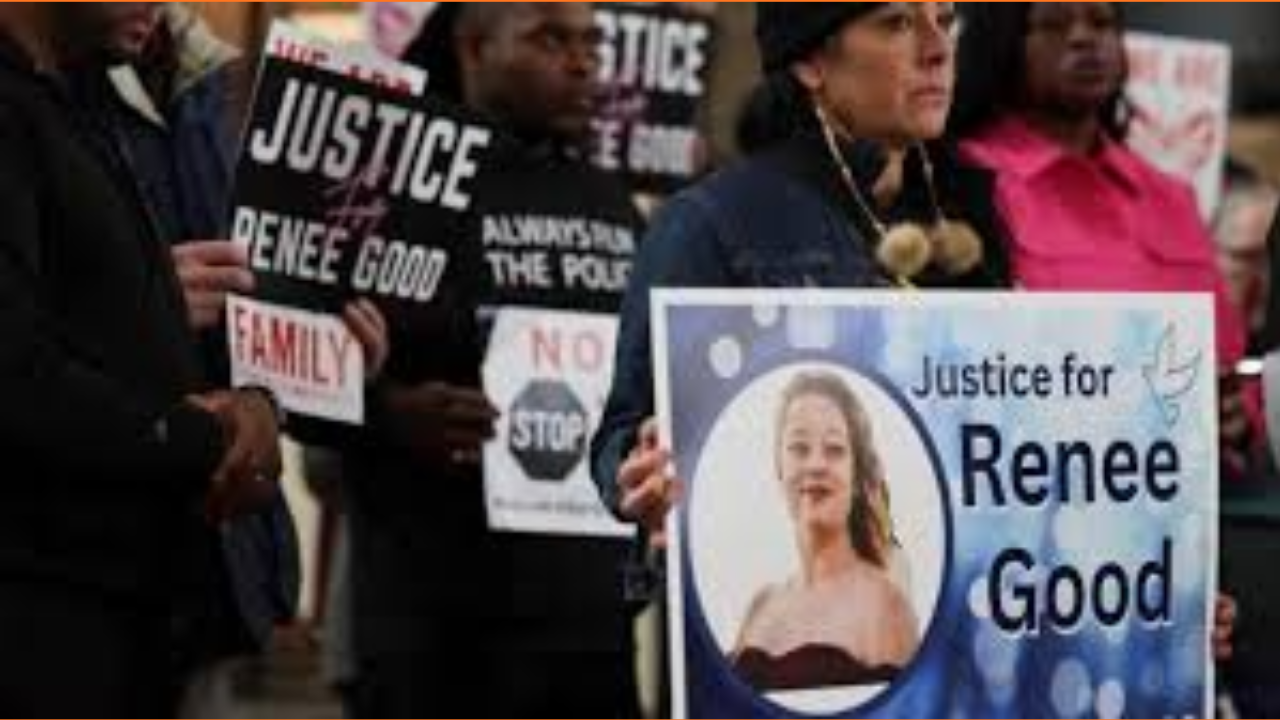
- The Victim: Renee Good was a poet, a graduate of Old Dominion University, and a mother of three. Her family describes her as a peaceful person who had just finished dropping her youngest child off at school.
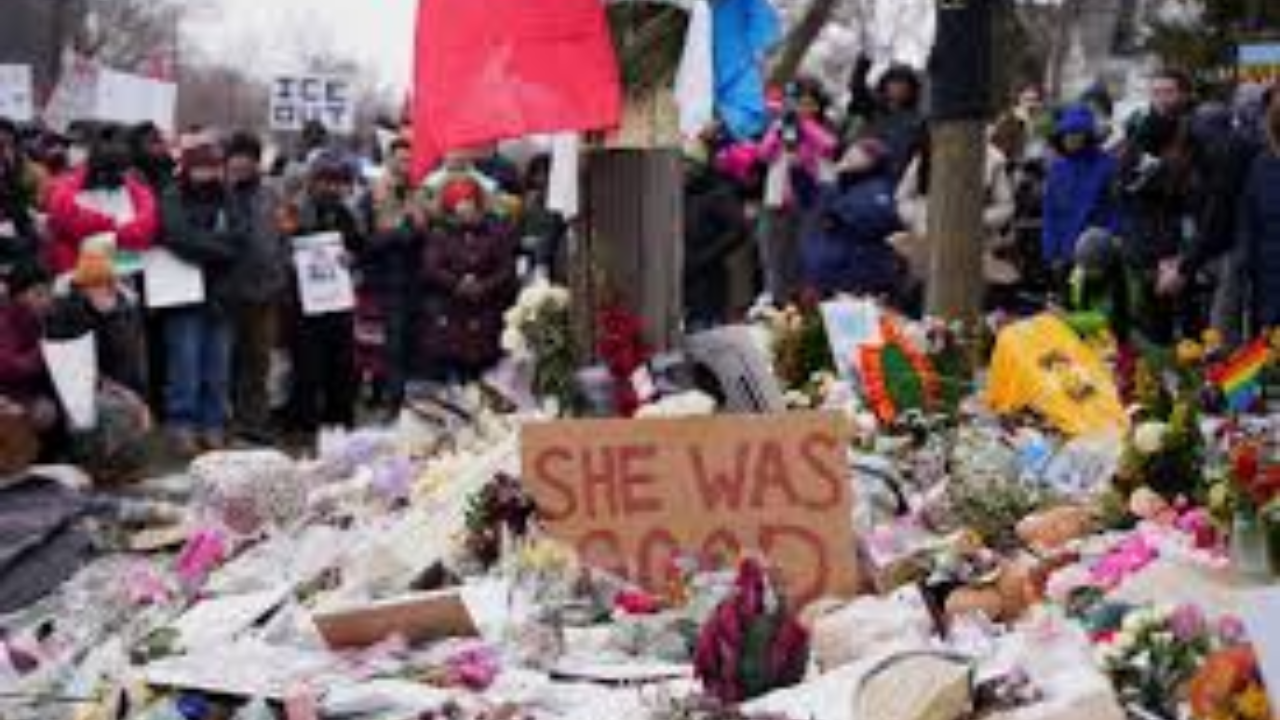
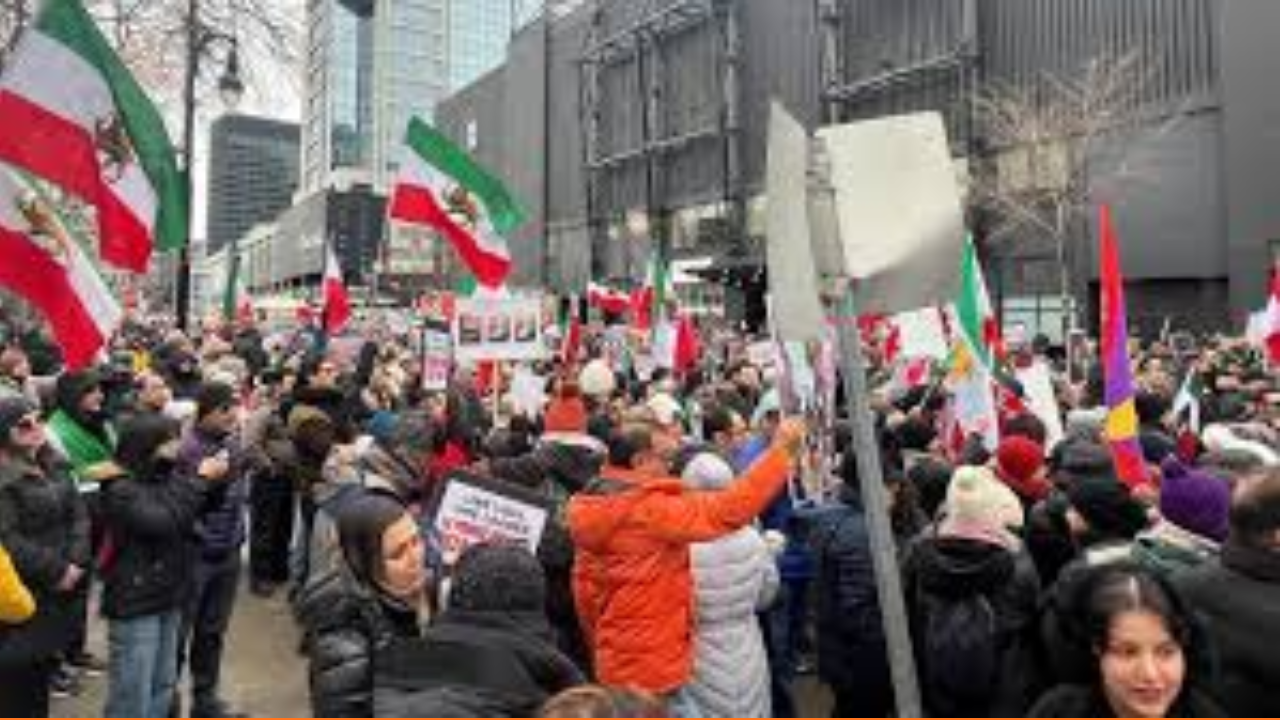
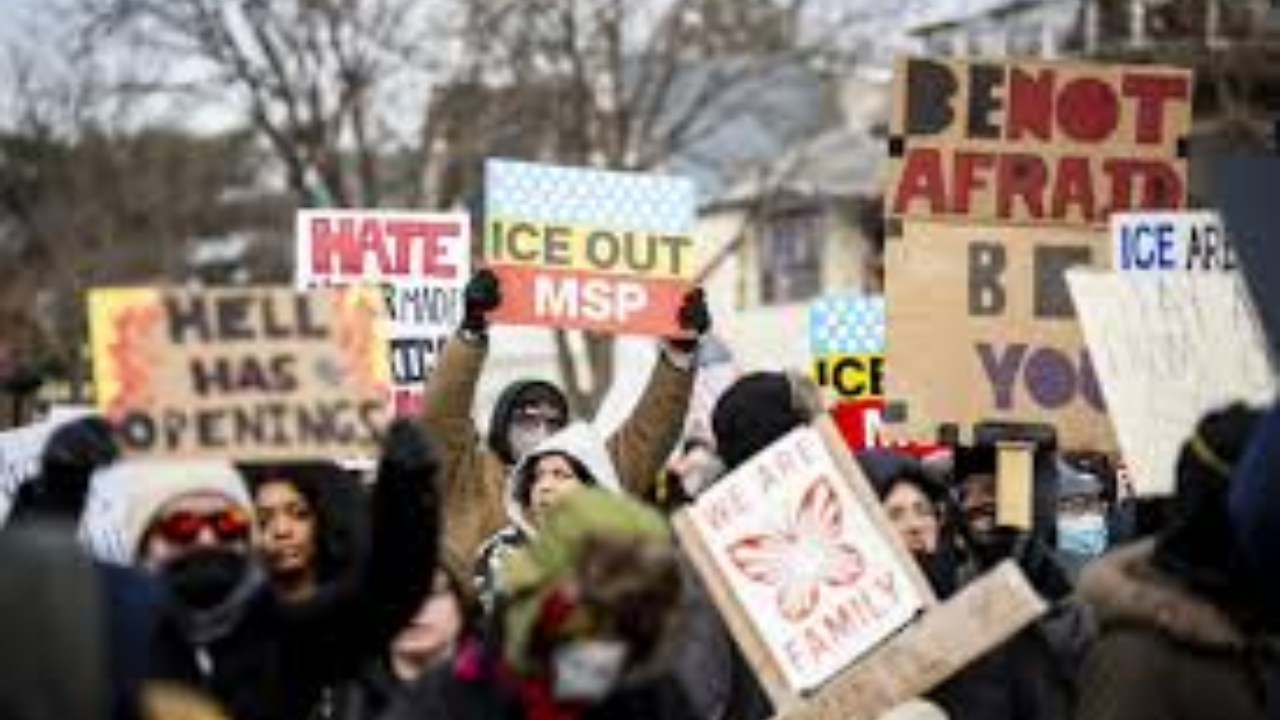
- Street Protests: Thousands have taken to the streets, braving harsh weather to demand “Justice for Renee.” The proximity of the shooting to George Floyd Square has amplified the emotional weight of the tragedy.
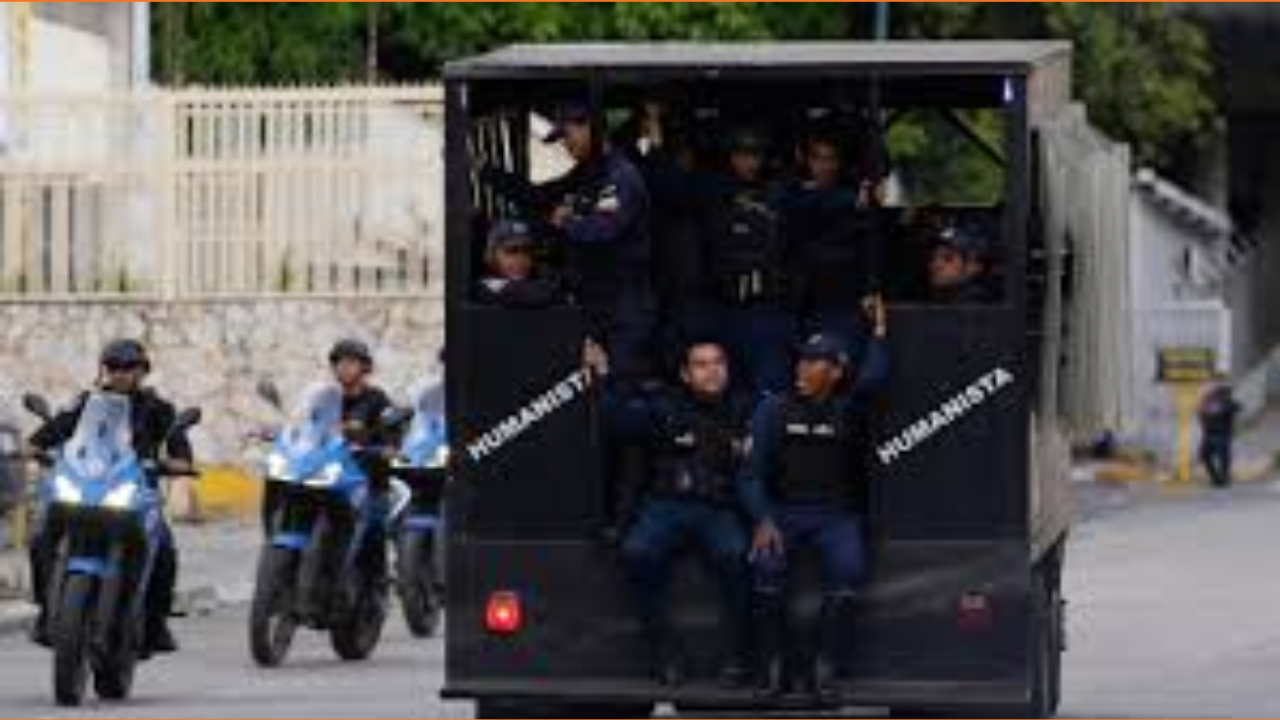
- School Closures: Due to the scale of the protests and the presence of thousands of federal agents in the city, Minneapolis Public Schools suspended operations late this week.
The Legal Standoff
A significant jurisdictional battle is brewing over who has the right to investigate the killing:
- Federal Control: The FBI has taken full command of the scene and all evidence, effectively locking out the Minnesota Bureau of Criminal Apprehension (BCA).
- State Pushback: Governor Tim Walz and local prosecutors have publicly questioned the transparency of a federal agency investigating its own officers, calling the exclusion of local authorities “unprecedented.”