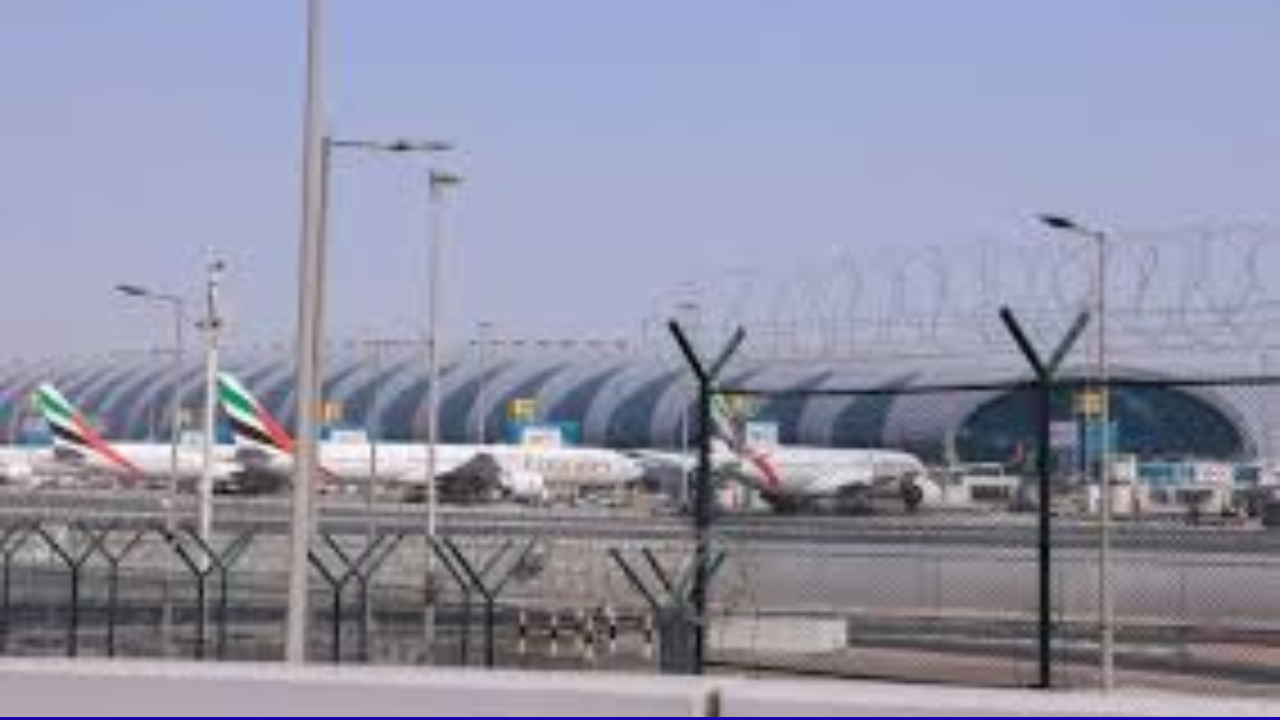
As regional tensions ground commercial fleets, Dubai’s elite and desperate travelers are abandoning airport terminals for private hangars. The cost of an “escape” has reached unprecedented levels, turning private aviation into a high-stakes bidding war.
Thank you for reading this post, don't forget to subscribe!The Massive Price of an Exit
Standard pricing has been thrown out the window. If you want to leave now, the entry fee is staggering:
- Full Charters: Flights to Europe are currently fetching between $170,000 and $350,000.
- Price Gouging? Operators have doubled or tripled their rates. A standard $115,000 route is now commanding $230,000.
- Pay-per-Seat: For those who can’t afford the whole plane, individual seats on shared charters are going for roughly $21,000.
Driving the Surges: Risk and Scarcity
It isn’t just about supply and demand; the logistical reality of flying near a conflict zone is expensive:
- War Risk Premiums: Insurance costs for aircraft entering the region have spiked.
- Repositioning: Since many owners won’t park their planes in Dubai, brokers must fly empty jets from safe zones, charging passengers for the “deadhead” flight in.
- Avoidance: Many operators are simply refusing the business, leaving only a handful of planes to serve thousands of stranded passengers.
The Great Detour
With Dubai International (DXB) facing frequent closures, the “private exit” often begins with a road trip:
- The Riyadh Sprint: Travelers are taking 10-hour chauffeured drives across the border to Saudi Arabia to catch flights where the airspace is more stable.
- The Muscat Pivot: A 4-hour drive to Oman has become a popular fallback, though even Muscat’s charter availability is now near zero.