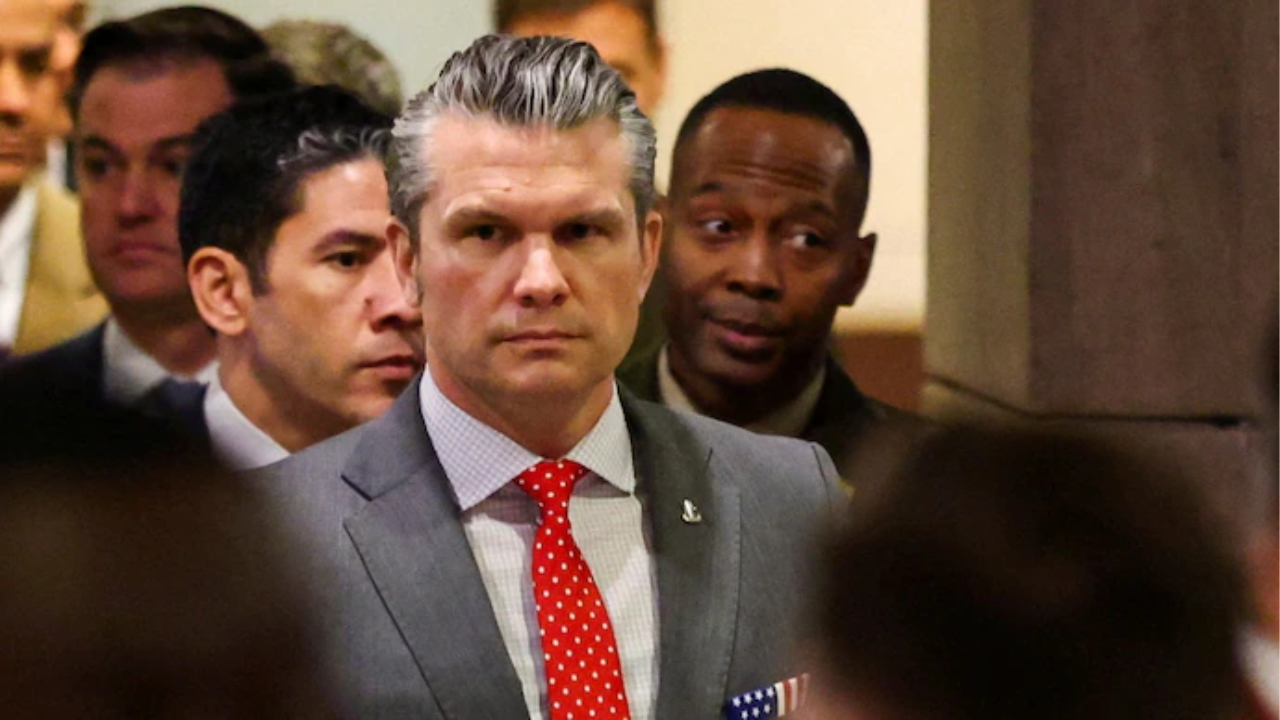
U.S. Defense Secretary Pete Hegseth announced on Tuesday that the Pentagon will not release unedited, “top secret” footage of a controversial September 2 military strike to the public. The strike reportedly killed two survivors of a previous attack on a drug-smuggling vessel in the Caribbean.
Thank you for reading this post, don't forget to subscribe!While Hegseth stated that members of the House and Senate Armed Services committees would be permitted to view the classified footage this week, he maintained that the full video must remain confidential for national security reasons.
Escalating Military Operations
The refusal to release the footage comes as the U.S. military intensifies its maritime campaign:
- Recent Strikes: On Monday, the Pentagon confirmed three separate attacks on boats in the eastern Pacific, resulting in eight deaths.
- Overall Toll: U.S. officials report that at least 95 people have been killed in 25 known operations in international waters since the campaign began.
- The Justification: Secretary of State Marco Rubio defended the strikes as essential counter-drug missions, arguing that criminal networks are “poisoning Americans” and must be dismantled.
Trump Orders “Total Blockade” on Venezuela
Simultaneous with the maritime strikes, President Donald Trump has ordered a complete military blockade of all sanctioned oil tankers entering or leaving Venezuela.
The administration alleges that President Nicolas Maduro’s government uses “stolen oil wealth” to fund terrorism and human trafficking. In response, the U.S. has:
- Deployed warships and fighter jets near Venezuelan territory.
- Seized at least one oil tanker as part of a “maximum pressure” strategy.
- Faced accusations of “piracy” from Maduro, who claims the U.S. is attempting to force his removal from office.
Transparency vs. Security
The September 2 follow-up strike, authorized by Admiral Frank “Mitch” Bradley, remains the primary point of contention for lawmakers. Critics are demanding more transparency to determine if the military is operating within the bounds of international law, specifically regarding the targeting of shipwrecked survivors.