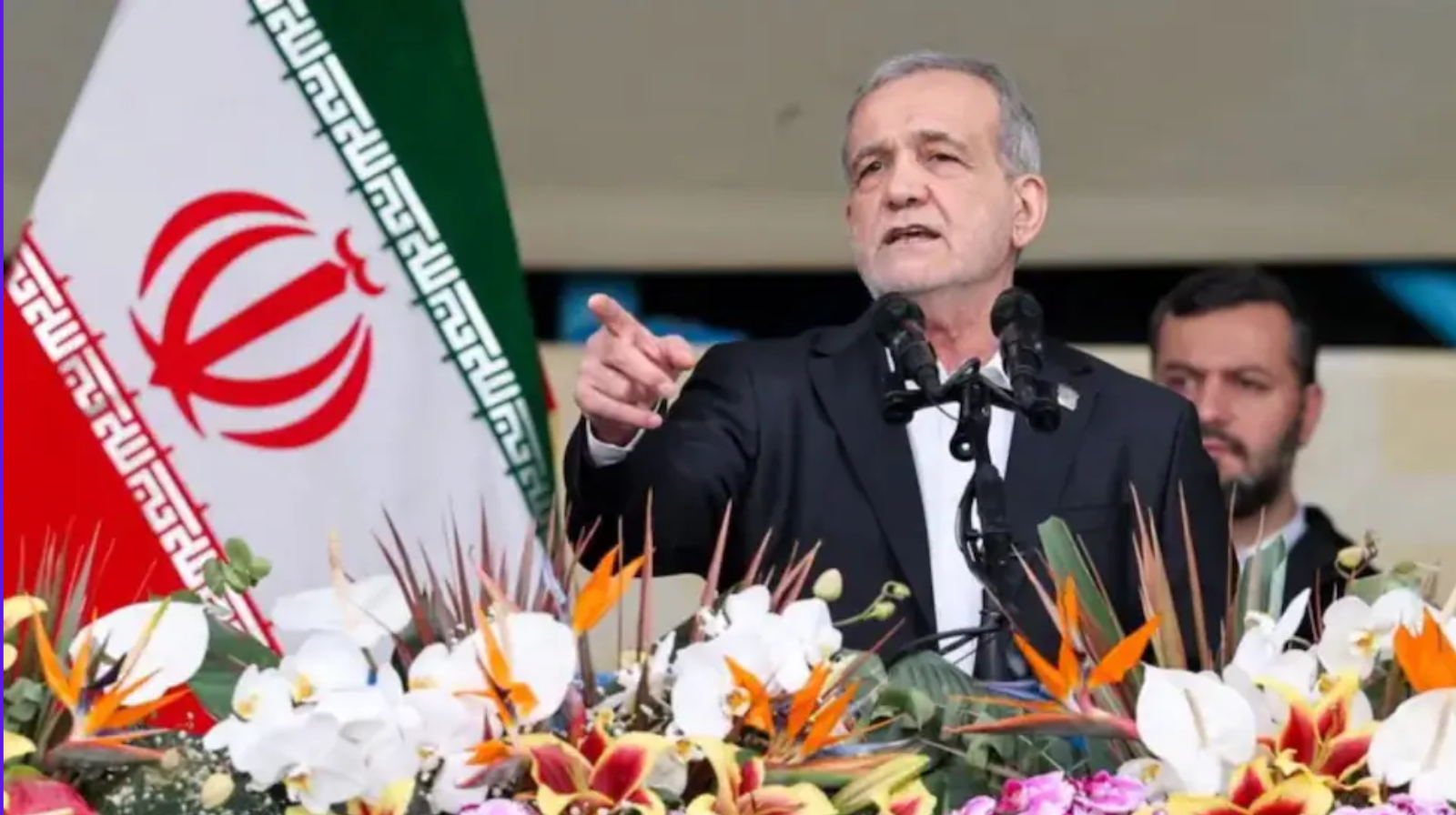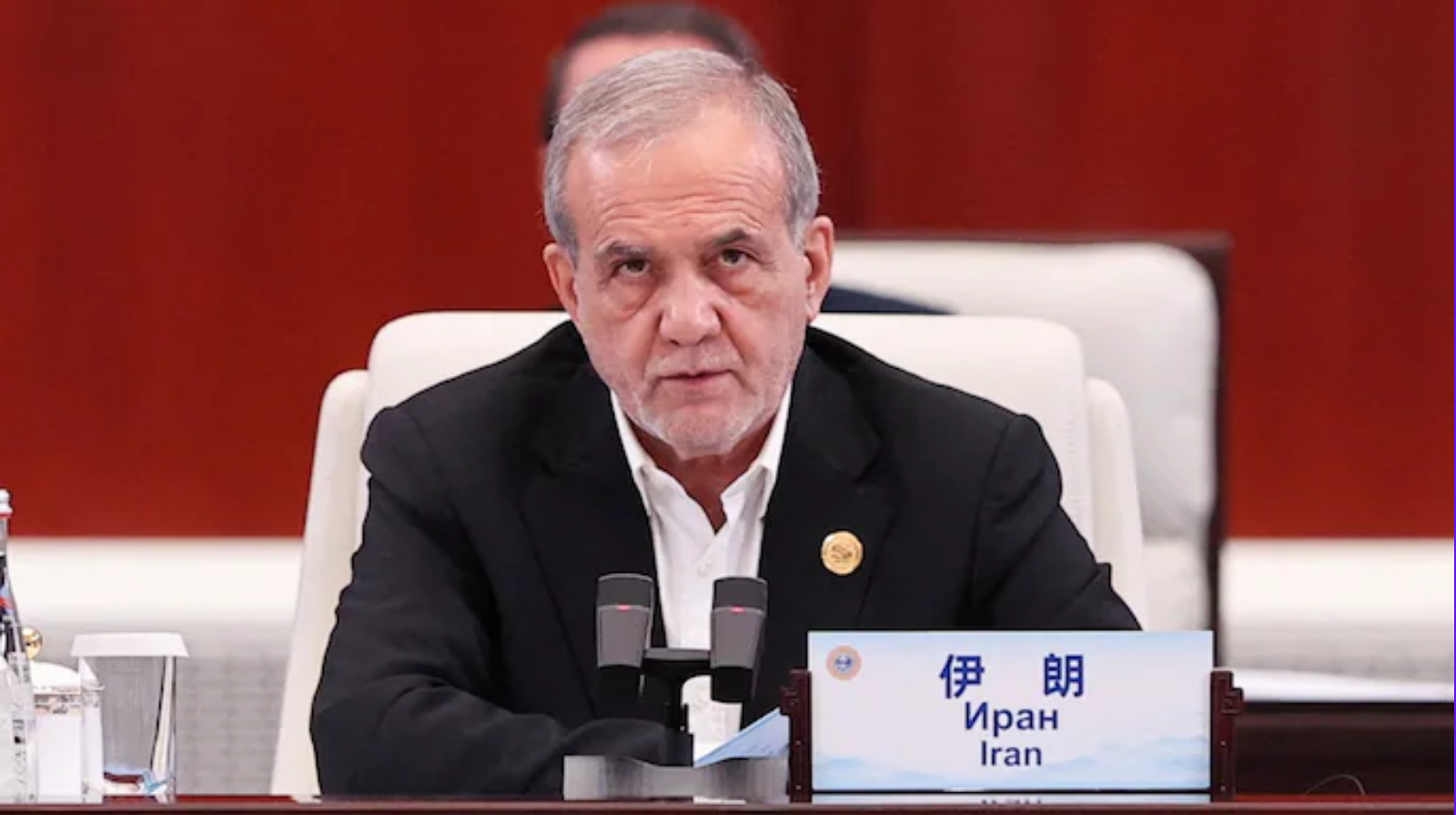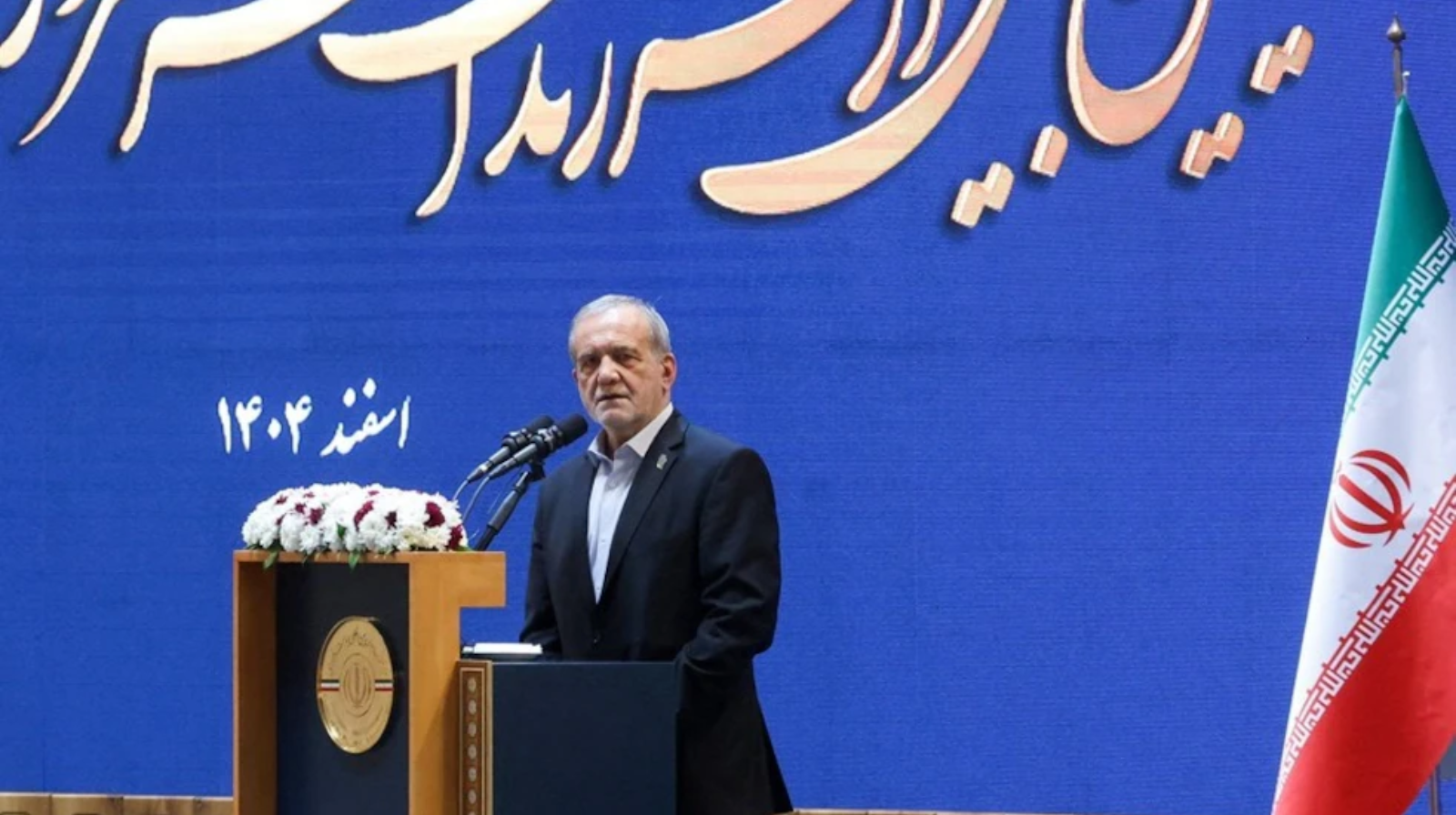
Amidst the backdrop of escalating regional conflict, Iranian President Masoud Pezeshkian released an open letter on April 1, 2026, addressed specifically to the people of the United States. The letter marks a strategic shift in rhetoric, aiming to decouple American citizens from the actions of their government.
Thank you for reading this post, don't forget to subscribe!Core Messages of the Appeal
- A Call for Peace with the Public: Pezeshkian explicitly stated that Iranians do not view American or European citizens as enemies. He framed the current hostility as a “state-level” conflict, rather than a cultural or societal one.
- The “Myth” of the Iranian Threat: The President challenged the Western narrative that Iran is an inherent danger to global stability. He argued that this “threat” is a fabrication used to profit the military-industrial complex and arms dealers.
- Historical Context as Justification: The letter cited the 1953 coup—supported by the CIA—as the catalyst for decades of mistrust, characterizing Iran’s current stance as a long-standing defense of its sovereignty.
- Sovereignty and Defense: Pezeshkian reinforced that Iran’s military actions are strictly defensive, asserting that the nation has no history of initiating offensive wars in the modern era.
The Strategic Timing
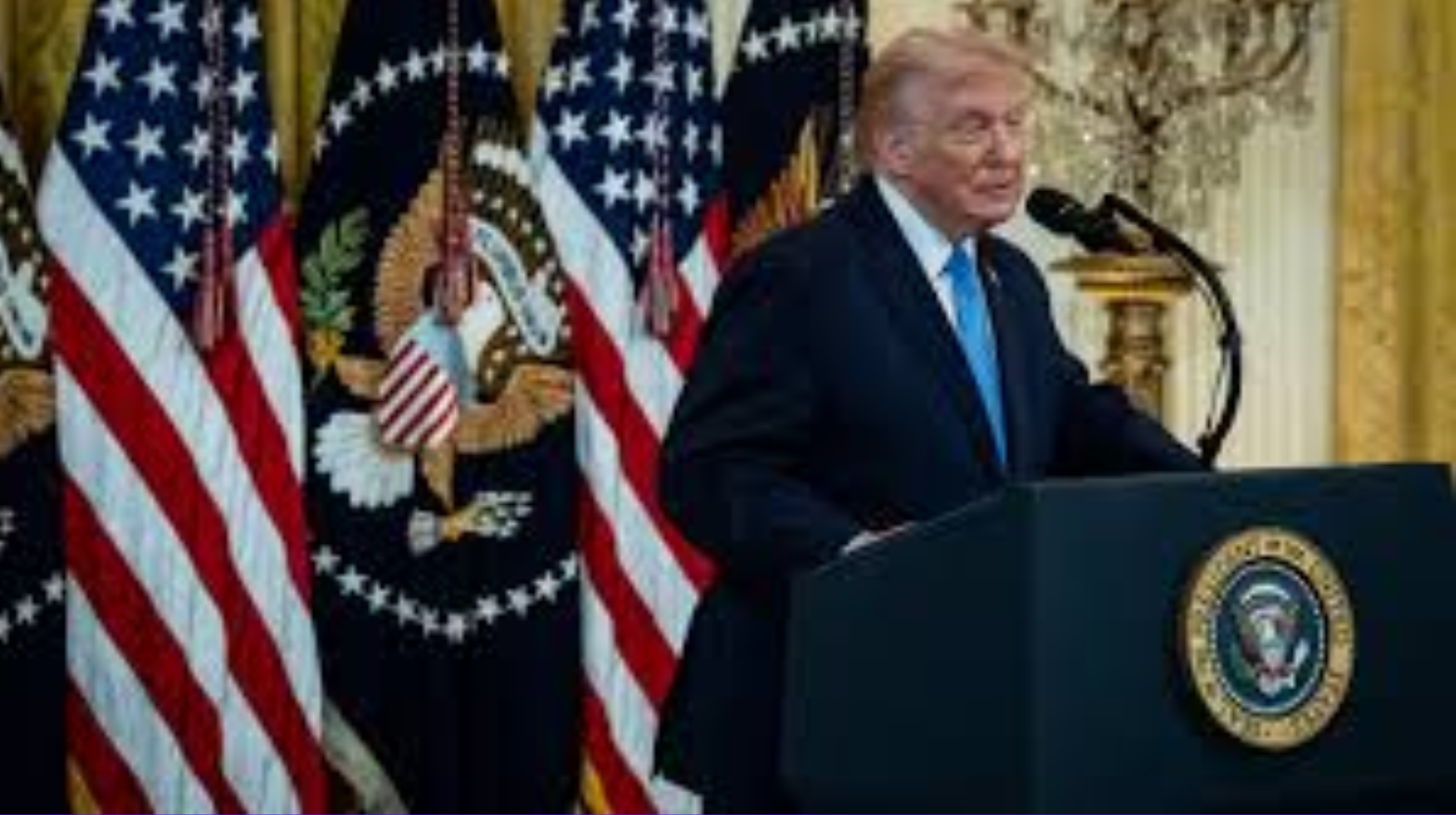
The release of this letter was highly calculated, appearing just moments before a major address by President Donald Trump concerning the Middle East. Analysts suggest the move is a form of “soft power” diplomacy, intended to:
- Humanize Iran to the Western public.
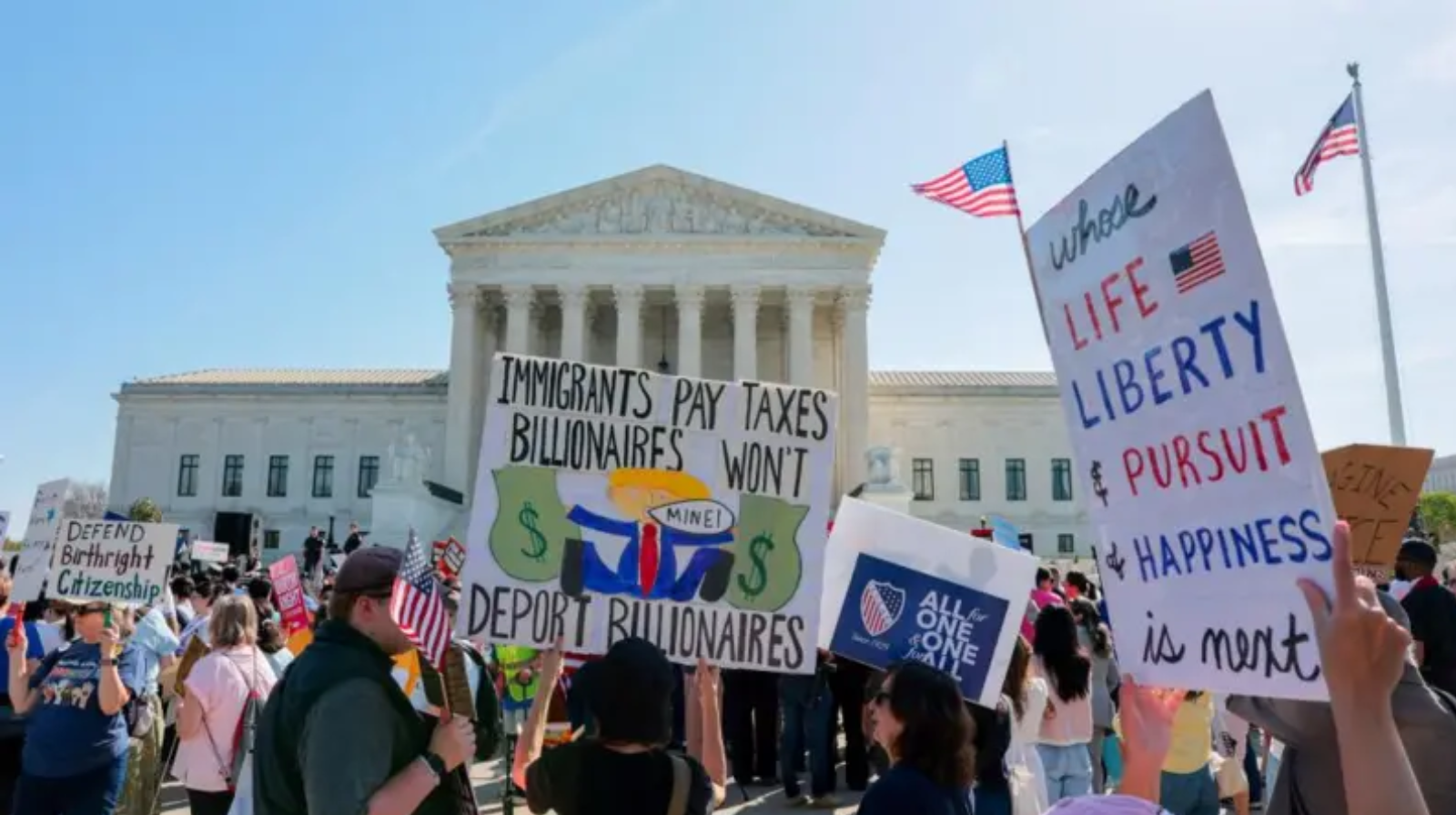
- Pressure U.S. policymakers by appealing to anti-war sentiments within the American electorate.
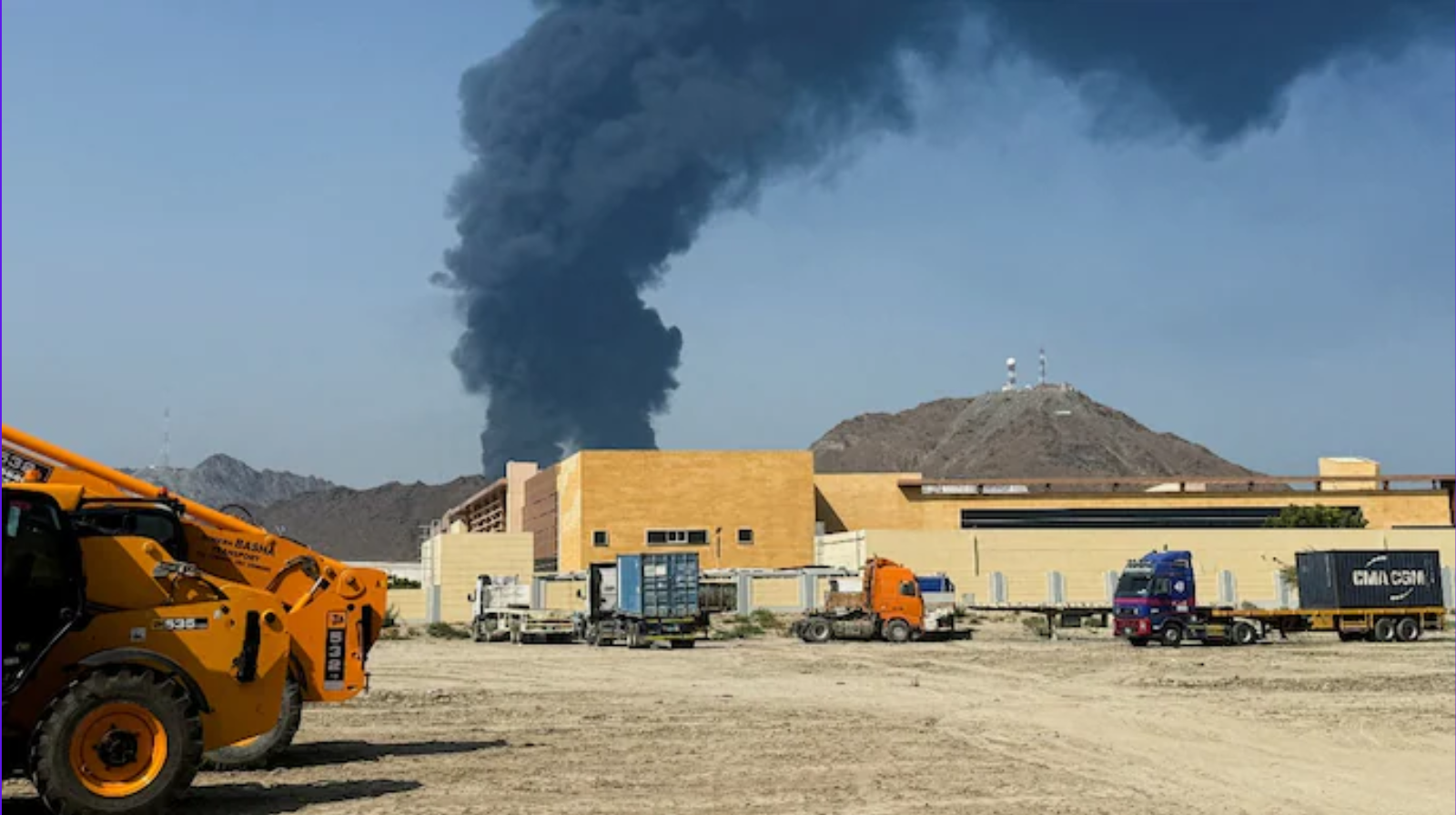
- Counteract the narrative of imminent aggression following recent strikes on Iranian infrastructure.
Perspective: While the letter speaks of peace, it arrives during a period of intense military friction, highlighting the stark contrast between Pezeshkian’s diplomatic tone and the physical reality of the conflict on the ground.