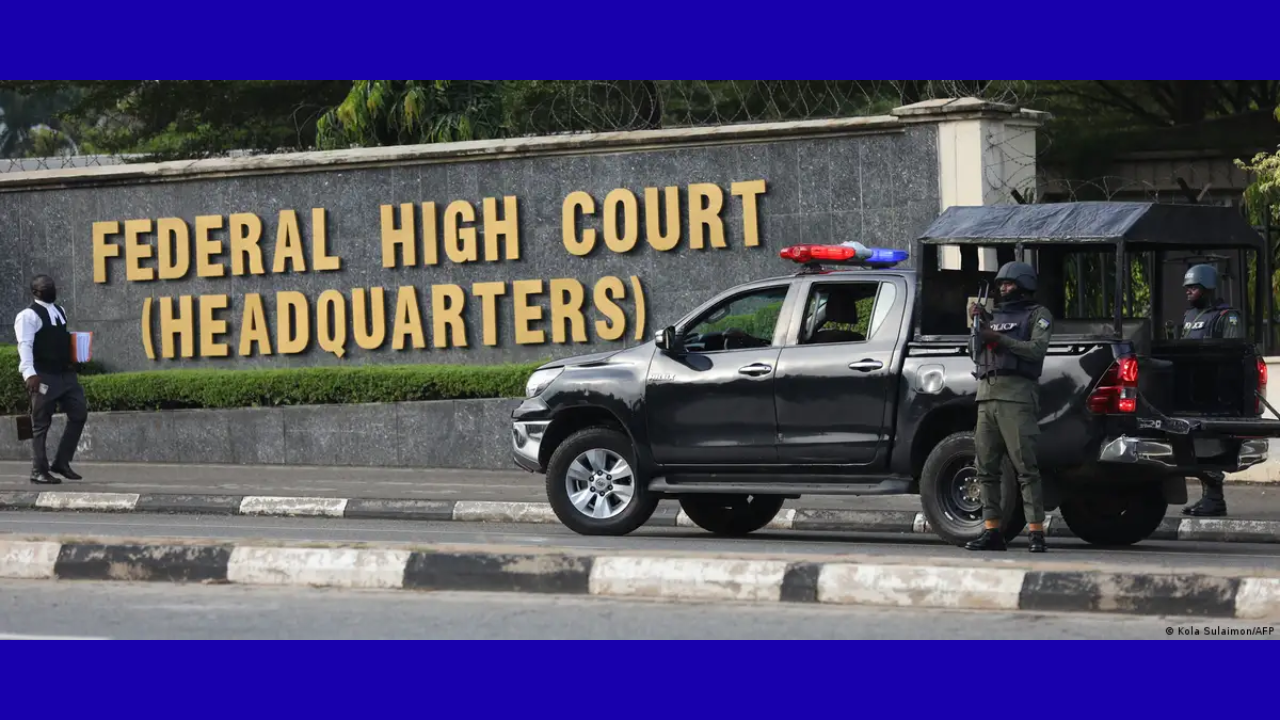
In one of the largest judicial actions against regional insurgency to date, the Nigerian government has secured convictions for nearly 400 individuals linked to militant Islamist groups. The rulings, announced on April 11, 2026, mark a pivotal moment in the country’s efforts to use the rule of law to dismantle extremist networks.
Thank you for reading this post, don't forget to subscribe!Trial Breakdown and Sentencing
- Conviction Rate: Of the 508 cases brought before the court, 386 resulted in guilty verdicts.
- Sentencing Range: Penalties ranged from five years to life imprisonment, depending on the severity of the involvement.
- Other Outcomes: Two individuals were acquitted, eight were discharged, and 112 cases were adjourned for further deliberation.
- Rehabilitation Mandate: A notable feature of the rulings is the requirement for all convicts to undergo deradicalization and rehabilitation programs, aimed at preventing future recidivism.
Strategic Significance
https://taxassistant.org/a-new-era-nigerias-first-uk-state-visit-in-nearly-four-decades/Attorney General Lateef Fagbemi emphasized that these trials—which have been processed in waves since 2017—target members of both Boko Haram and the Islamic State West Africa Province (ISWAP).
By involving international observers like the UNODC and Amnesty International, the Nigerian government sought to address past criticisms regarding transparency and the human rights of detainees held in military facilities.
The Road Ahead
While the military has made significant territorial gains, the insurgency that began in 2009 remains a complex threat. These legal victories are seen as a “soft power” complement to military force, aimed at providing closure for victims and a clear deterrent for recruitment.
The next round of mass trials is scheduled to begin in late May 2026.