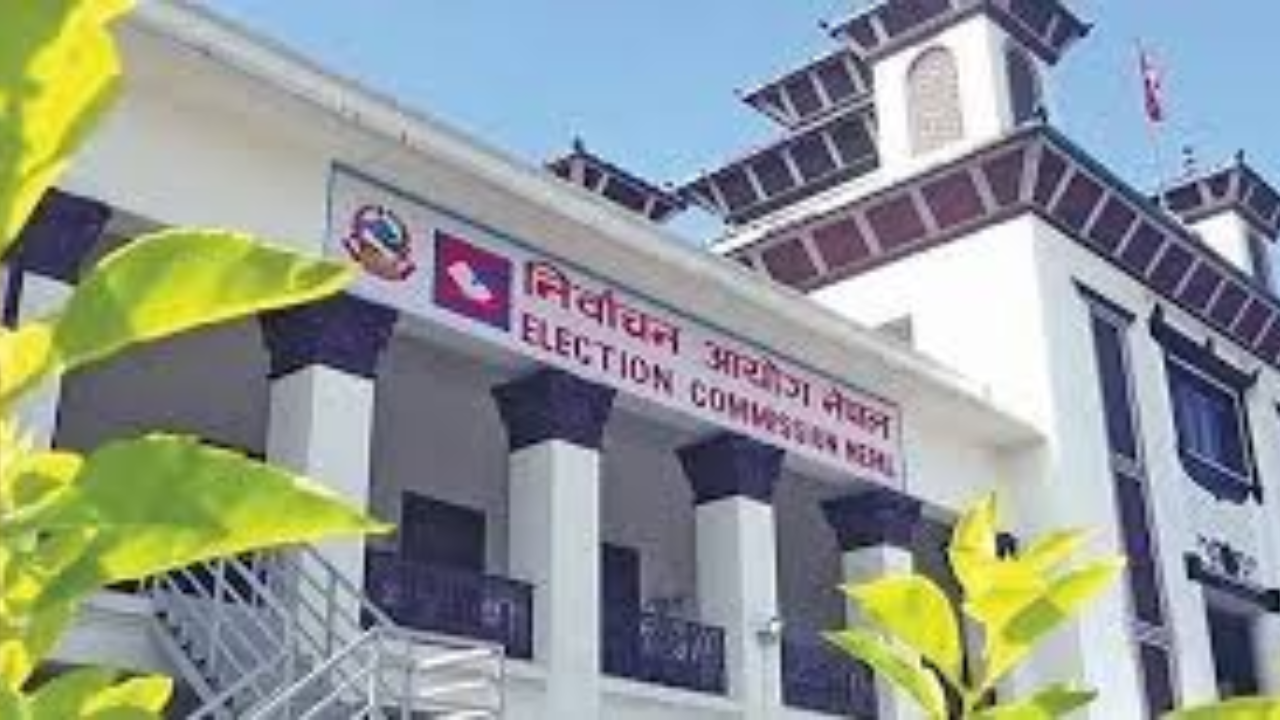
The elections held on November 20, 2022, marked a pivotal moment in Nepal’s democratic journey. While the results confirmed the dominance of traditional parties, they also signaled a growing public appetite for new political alternatives.
Thank you for reading this post, don't forget to subscribe!The Legislative Structure
The House of Representatives (HoR) utilizes a mixed electoral system to ensure a balance between local representation and national inclusivity.
- Total Parliamentary Seats: 275
- Directly Elected (FPTP): 165 seats (60%)
- Proportional Representation (PR): 110 seats (40%)
- The Threshold: Parties must cross a 3% popular vote barrier in the PR category to secure seats and attain “national party” status.
Final Results: The 2022 Power Map
| Party | FPTP | PR | Total |
| Nepali Congress (NC) | 57 | 32 | 89 |
| CPN (UML) | 44 | 34 | 78 |
| CPN (Maoist Centre) | 18 | 14 | 32 |
| Rastriya Swatantra Party (RSP) | 7 | 13 | 20 |
| Rastriya Prajatantra Party (RPP) | 7 | 7 | 14 |
| Others / Independents | 32 | 10 | 42 |
Critical Takeaways
- The Rise of New Forces: The Rastriya Swatantra Party (RSP) emerged as a “disruptor,” capturing the urban youth vote and becoming the fourth-largest party in its debut year.
- Declining Turnout: Participation dropped to 61.85%, down from nearly 69% in 2017. Analysts view this as a sign of growing voter fatigue with traditional coalition politics.
- The Gender Gap: While the constitution mandates 33% female representation, the direct election (FPTP) results were lopsided; only 9 women won their seats directly, meaning the PR system remains the primary vehicle for gender inclusivity in Nepal.
- Coalition Complexity: Despite the Nepali Congress being the largest single party, Pushpa Kamal Dahal (Prachanda) of the Maoist Centre successfully leveraged the “kingmaker” position to become Prime Minister through strategic alliances.
Key Metrics Summary
Total Voters: 17.98 Million
Successful Parties: 7 (National Party Status)
The Majority Mark: 138