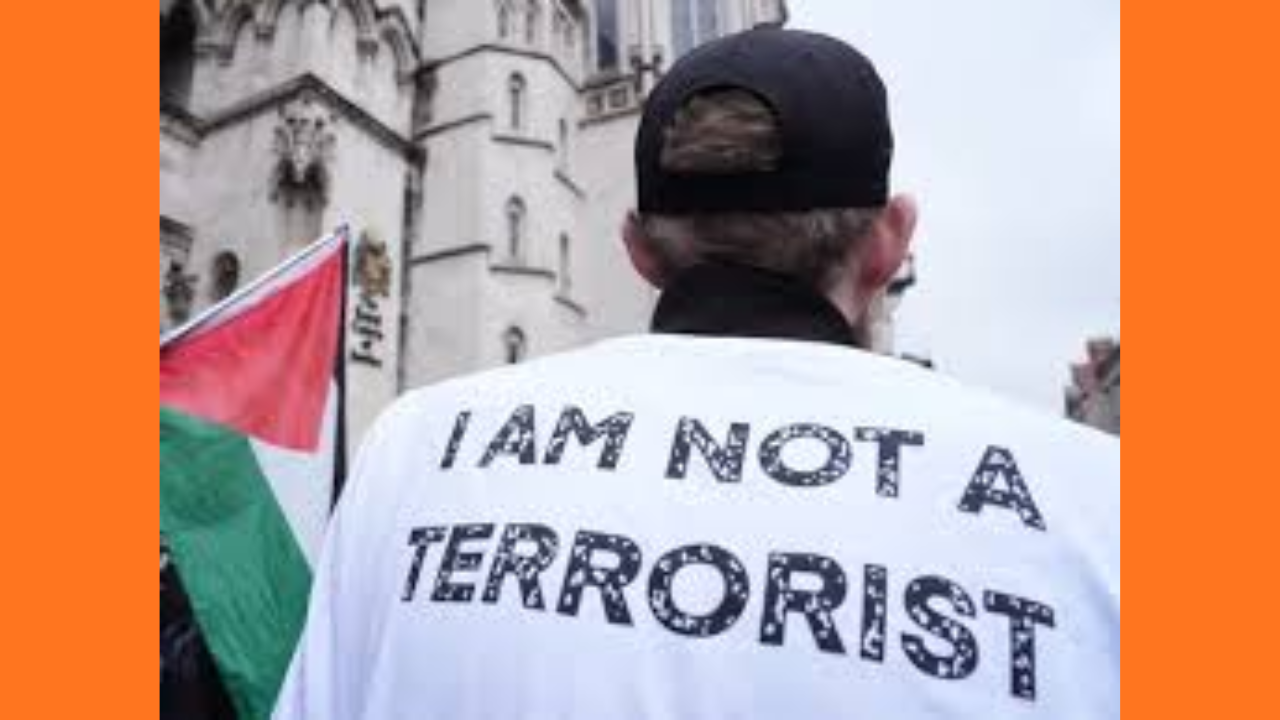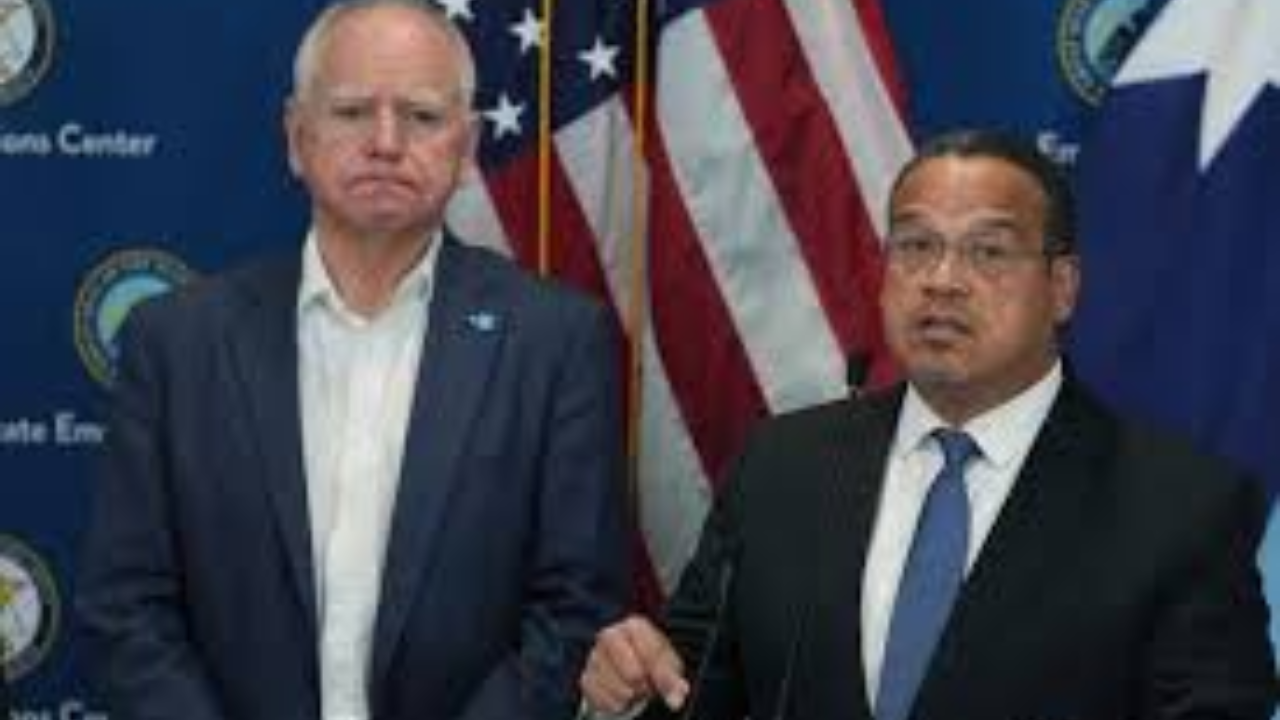
As federal agents begin to pull back from the Twin Cities following Operation Metro Surge, the feeling on the ground isn’t so much a celebration as it is a guarded “truce.” While the administration marks the drawdown as a completed mission, Minnesotans are left surveying the damage—both social and economic.
Thank you for reading this post, don't forget to subscribe!The Federal Perspective: “Mission Accomplished”
Federal officials, led by Tom Homan, are framing the withdrawal as a success based on raw data:
- The Numbers: Approximately 4,000 arrests since December 2025.
- Tactical Shift: Claims that local jail cooperation has improved enough to justify a smaller federal footprint.
- Pivot: Moving away from high-visibility street patrols toward targeted enforcement.
The Local Reality: A Scarred Community
For residents, the “drawdown” doesn’t automatically erase the chaos of the last three months. The vigilance remains high due to three primary factors:
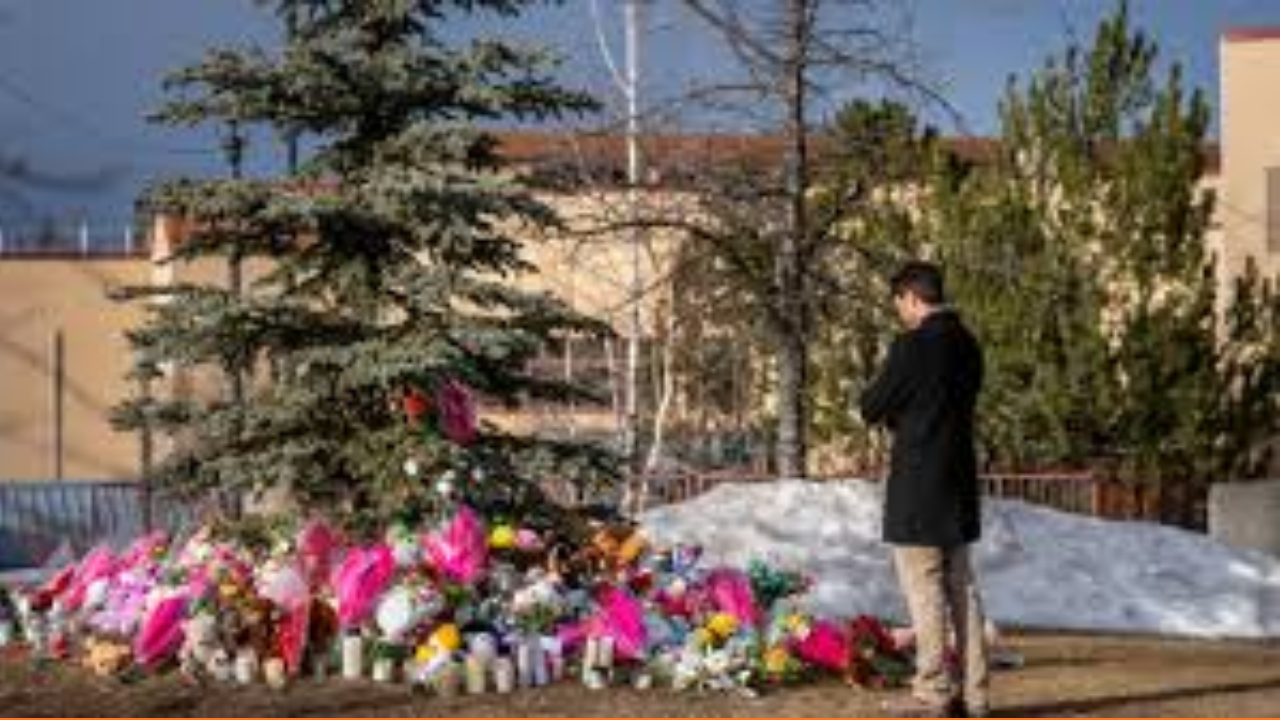
- The Cost of “Collateral Damage”: The fatal shootings of Renee Good and Alex Pretti remain an open wound. The fact that these were U.S. citizens killed during immigration sweeps has created a massive trust deficit that a simple withdrawal won’t fix.
- Economic Ghost Towns: Business hubs like Lake Street saw foot traffic evaporate. Even with agents leaving, local shopkeepers worry it will take months—or years—for the community to feel safe enough to return to normal shopping habits.
- Fear of the “Shadow Surge”: Community organizers fear the drawdown is a PR move, and that “Operation Metro Surge” is merely evolving into a less visible, but equally aggressive, surveillance-heavy operation.
“The vans might be leaving the street corners, but the trauma is staying in the living rooms.” — Local community sentiment.