Minnesota has officially taken the Trump administration to court. Attorney General Keith Ellison filed a federal lawsuit on Monday, March 2, seeking to block the withholding of nearly $260 million in Medicaid funds—a move state officials are calling “political retribution.”
Thank you for reading this post, don't forget to subscribe!The Core Conflict
The dispute centers on a massive chunk of federal reimbursement for the final quarter of 2025. Here is the breakdown:
- The Freeze: The administration withheld $259.5 million, alleging the state filed “unsupported or potentially fraudulent” claims.
- The Target: Federal officials specifically highlighted roughly $15 million in payments they claim went to individuals without documented immigration status.
- The State’s Stance: Minnesota argues the feds are “starving” a program that serves 1.2 million residents, including 500,000 children, without providing a legal “day in court.”
The Legal Strategy
Minnesota is pushing for an immediate temporary restraining order. Their legal team is banking on three main points:
- Skipping Steps: Federal law requires a formal hearing process before funds are yanked; the state claims the administration bypassed this entirely.
- Ambiguity: The lawsuit alleges the feds haven’t provided clear evidence or specific criteria for what makes these claims “fraudulent.”
- The “Punishment” Factor: Gov. Tim Walz and AG Ellison characterize the freeze as part of a broader “campaign of retribution” against the state.
The Federal Perspective
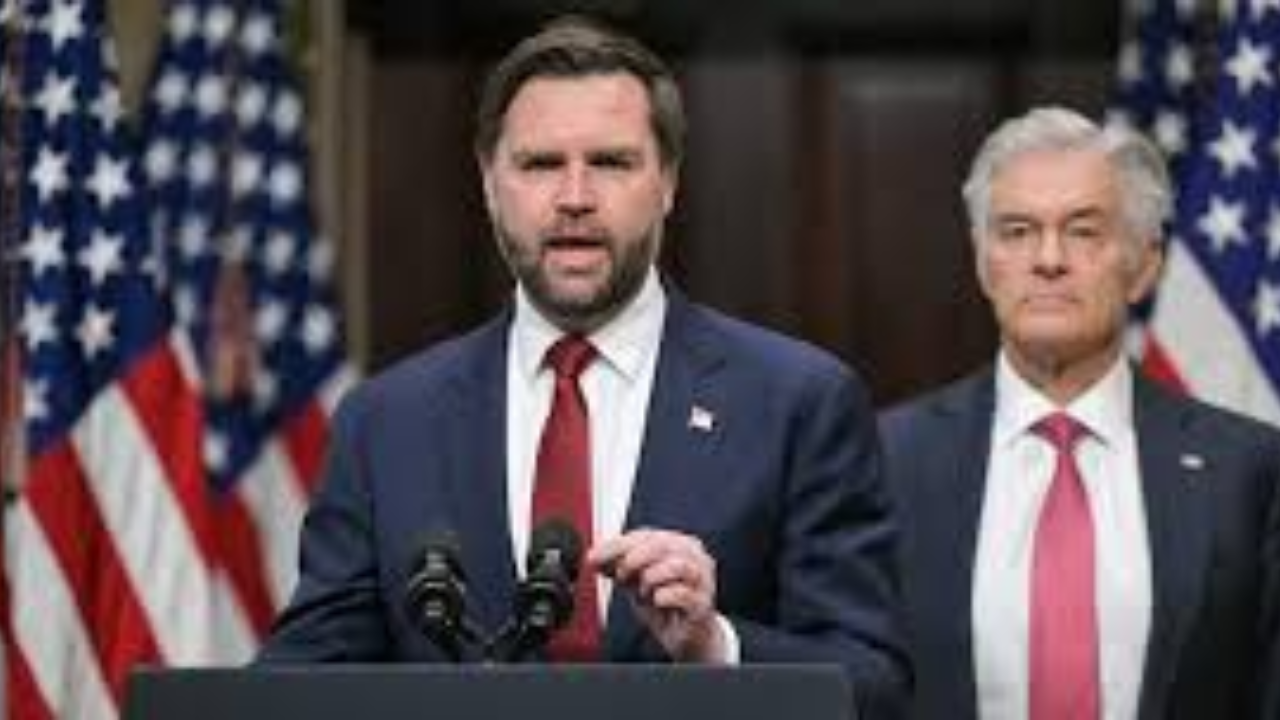
CMS Administrator Dr. Mehmet Oz and Vice President JD Vance have framed this as a necessary evolution of the “War on Fraud.” They are moving away from “pay and chase” (paying first, auditing later) toward a “detect and deploy” model using AI to freeze suspicious funds in real-time.