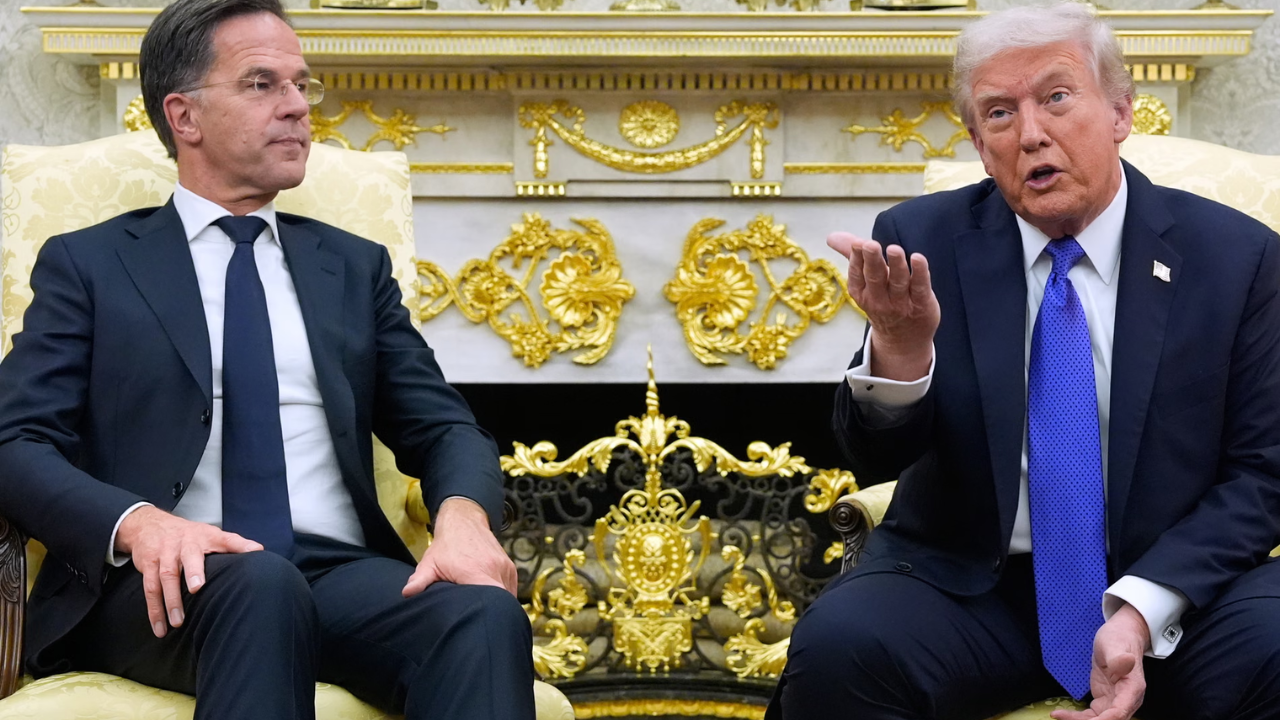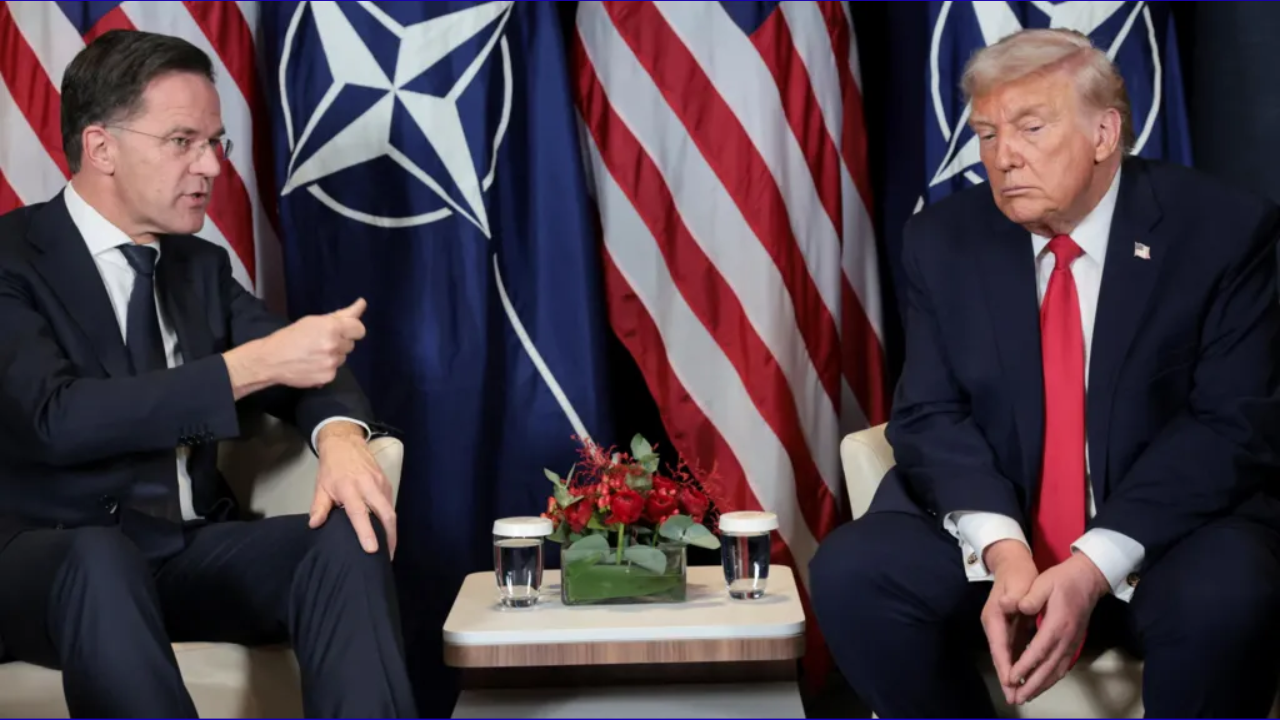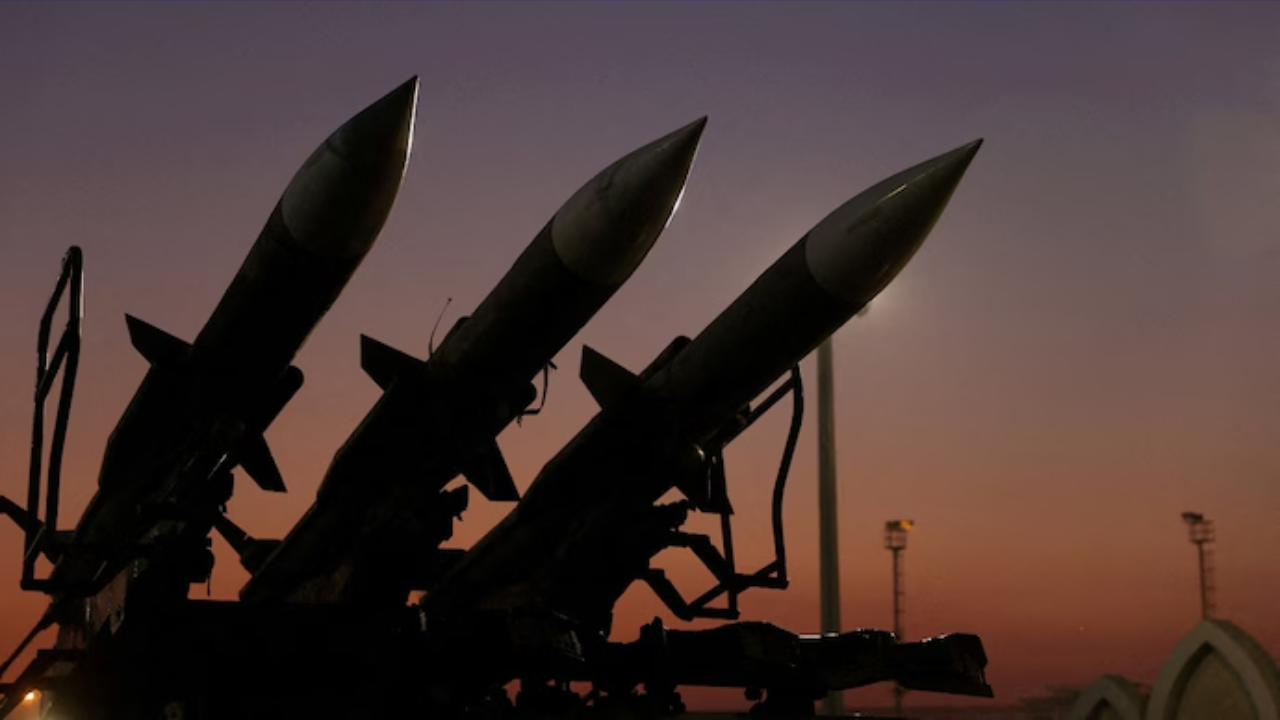
Despite the historic 14-day ceasefire recently brokered by President Donald Trump and Supreme Leader Mojtaba Khamenei, a series of missile alerts and interceptions occurred across the region early Wednesday, April 8, 2026.
Thank you for reading this post, don't forget to subscribe!Regional Impact & Incidents
The ceasefire’s stability was immediately challenged by military activity in several nations:
- Israel: Sirens sounded in Tel Aviv, Haifa, and Jerusalem. The IDF confirmed ballistic launches from Iran, though early reports indicate no major casualties.
- United Arab Emirates: A fire was reported at the Habshan gas facility in Abu Dhabi following an incoming strike.
- Saudi Arabia & Kuwait: Civil defense units in both nations issued high-level warnings and engaged active interception systems to neutralize incoming threats.
- Qatar & Bahrain: Both countries confirmed the activation of national defense sirens and successfully intercepted drones and missiles.
The Diplomatic Friction
- The Conflict: While Iranian leadership signaled a 10-point proposal for peace, military units may have executed pre-planned strikes before the stand-down orders were fully implemented.
- The Incentive: A key component of the ongoing truce remains the reopening of the Strait of Hormuz under Iranian management, a move intended to stabilize global energy markets.
Looking Ahead
Despite the morning’s violence, high-level diplomatic talks are still slated to proceed this Friday in Islamabad, Pakistan. The international community is now watching closely to see if regional commanders and proxy groups will honor the “double-sided ceasefire” or if the peace efforts will collapse before the weekend.