First Lady Denies Connection to Jeffrey Epstein, Calls for Public Hearings

By Katie Williams

Published on:

First Lady Denies Connection to Jeffrey Epstein, Calls for Public Hearings

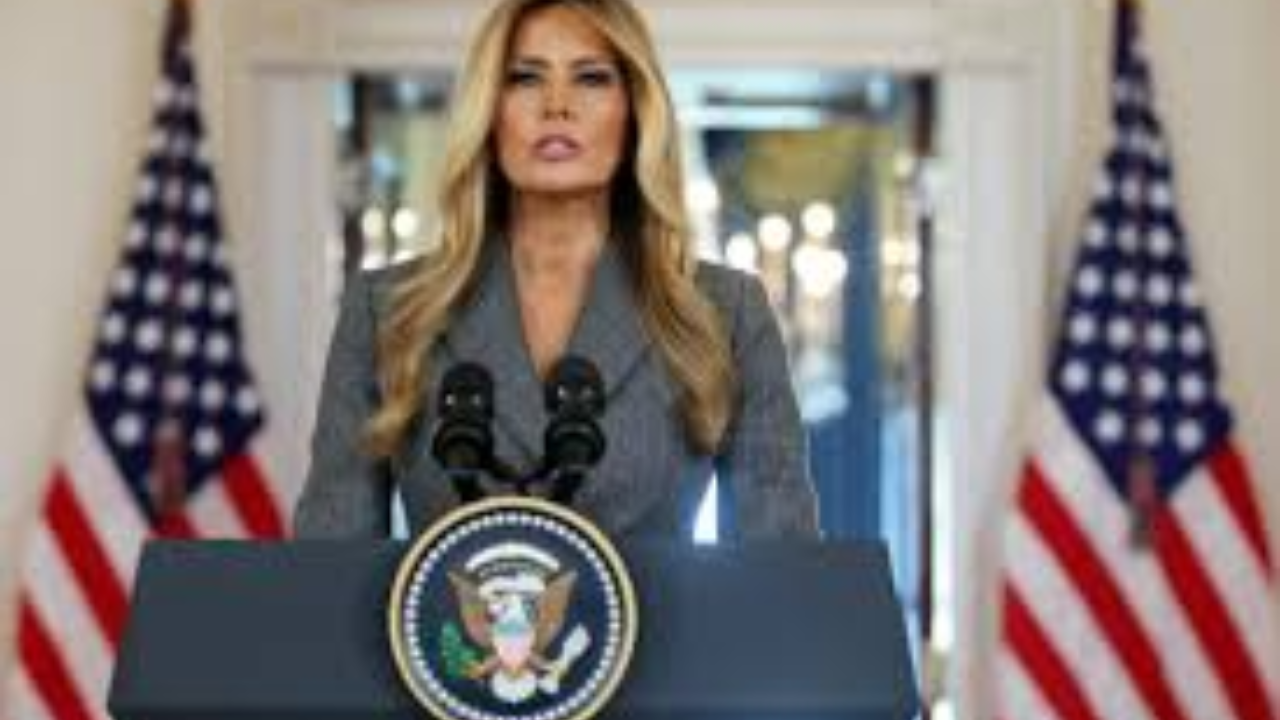
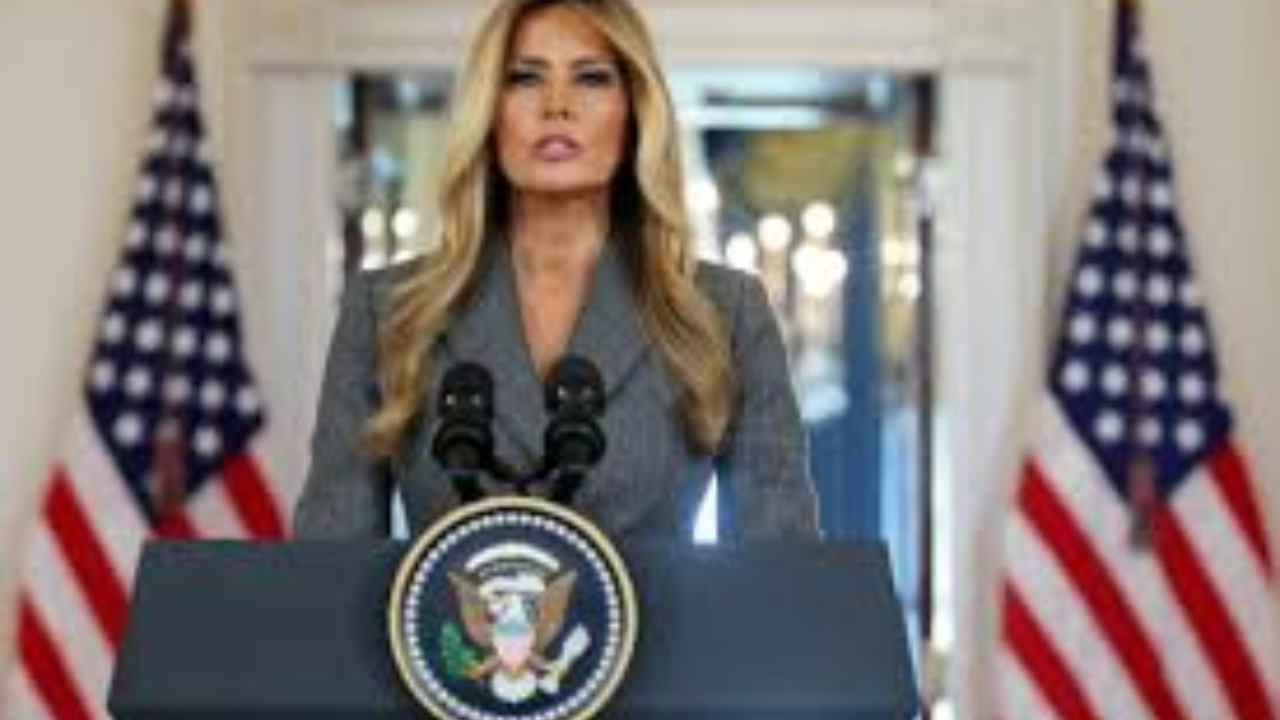
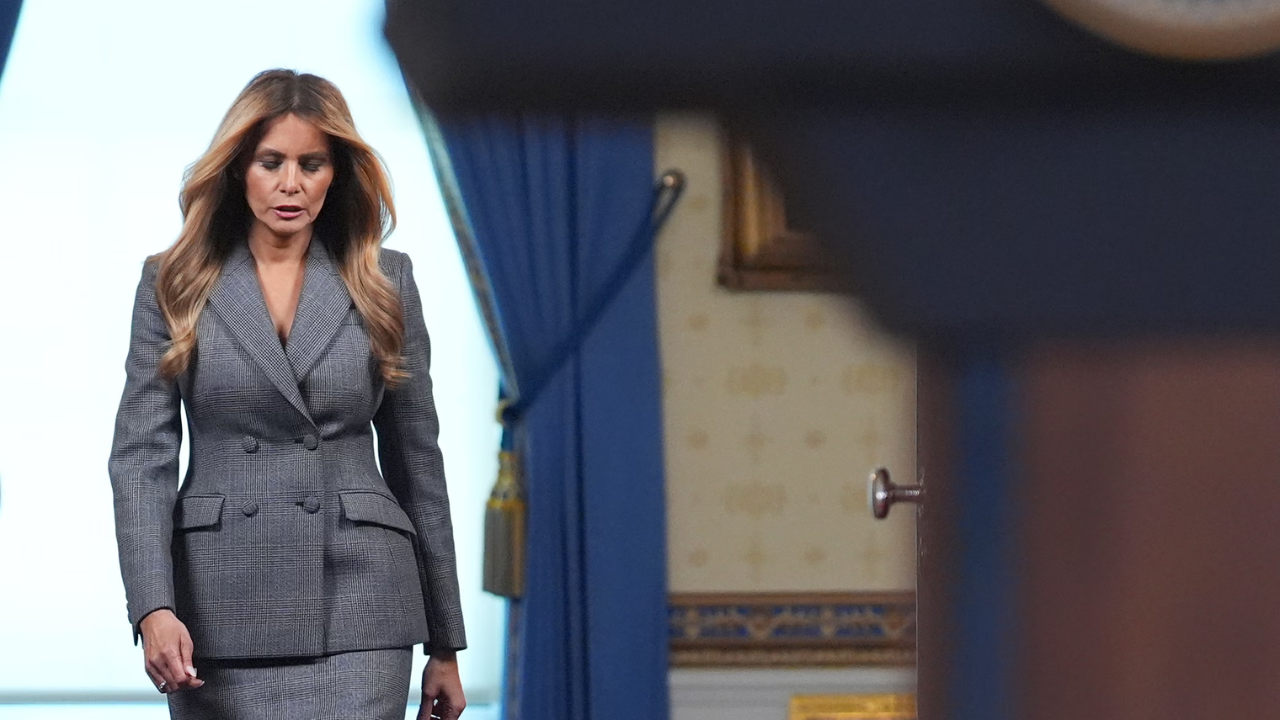
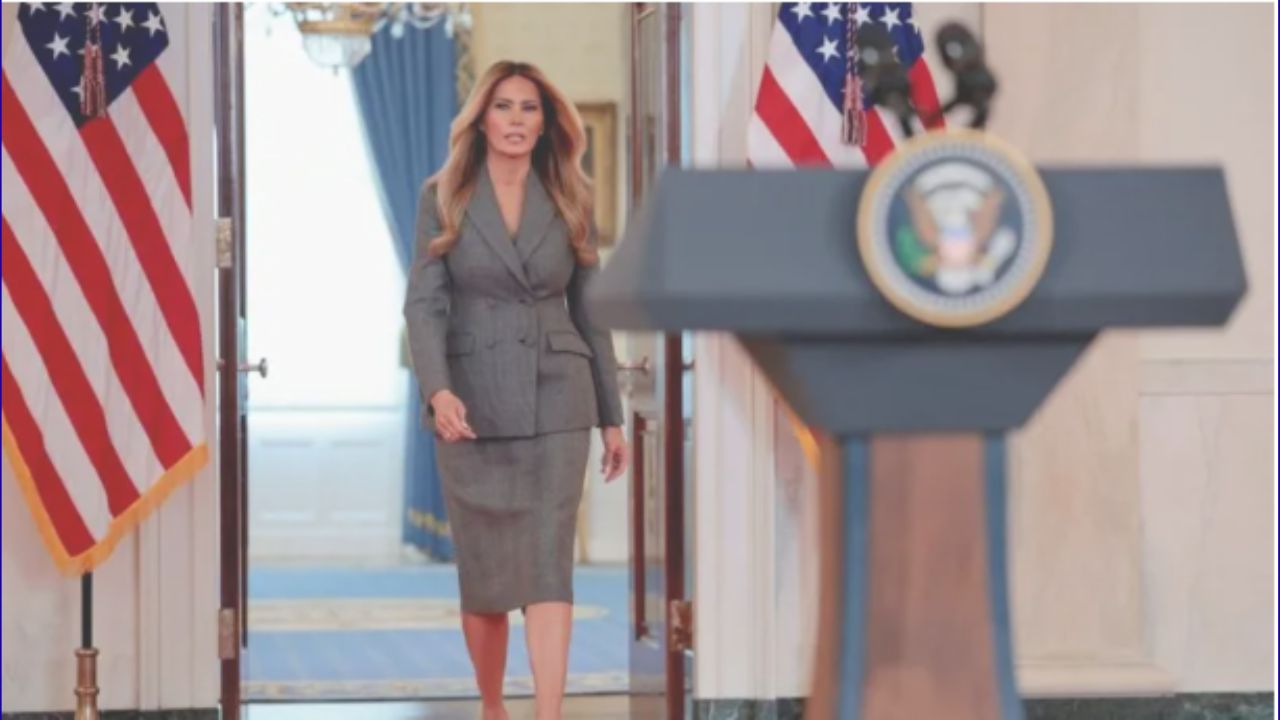
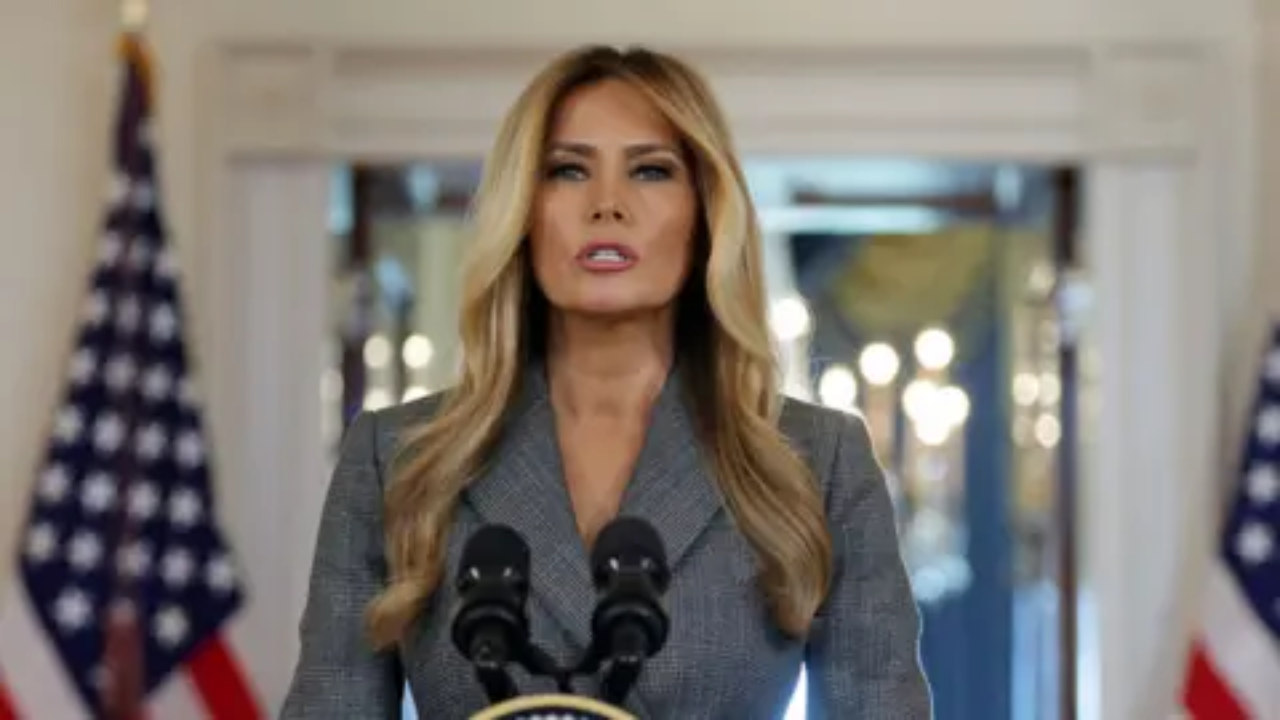
In a rare public statement on April 9, 2026, First Lady Melania Trump addressed long-standing speculation regarding her ties to the late Jeffrey Epstein and Ghislaine Maxwell, unequivocally denying any personal or professional relationship.

Thank you for reading this post, don't forget to subscribe!

The statement follows the recent release of redacted Department of Justice documents that once again brought the social circles of the early 2000s under public scrutiny.

Key Clarifications

The First Lady’s address focused on several specific points of contention:

  • Refutation of Claims: She stated firmly that she never visited Epstein’s private island nor traveled on his private aircraft.
  • The 1998 Meeting: Melania Trump disputed the theory that Epstein introduced her to Donald Trump, asserting their 1998 meeting in New York City was a chance encounter.
  • Correspondence: Regarding a 2002 email to Maxwell signed “Love, Melania,” the First Lady characterized it as a “trivial note” reflecting the casual social etiquette of the time rather than a deep friendship.
  • Social Overlap: She attributed any historical photographs or shared events to the overlapping nature of New York and Palm Beach high society.

A Push for Transparency

In a move that surprised many political analysts, the First Lady concluded her remarks by advocating for Epstein’s survivors. She urged Congress to provide a platform for victims to share their experiences officially.

Each and every woman should have her day to tell her story in public if she wishes,” she stated, “and then her testimony should be permanently entered into the Congressional Record.”

Bipartisan Response

The call for public hearings has gained immediate traction on Capitol Hill. Members of the House Oversight Committee from both parties have indicated a willingness to organize sessions that would allow survivors to testify, marking a rare moment of bipartisan agreement on the issue of transparency and justice for the victims.