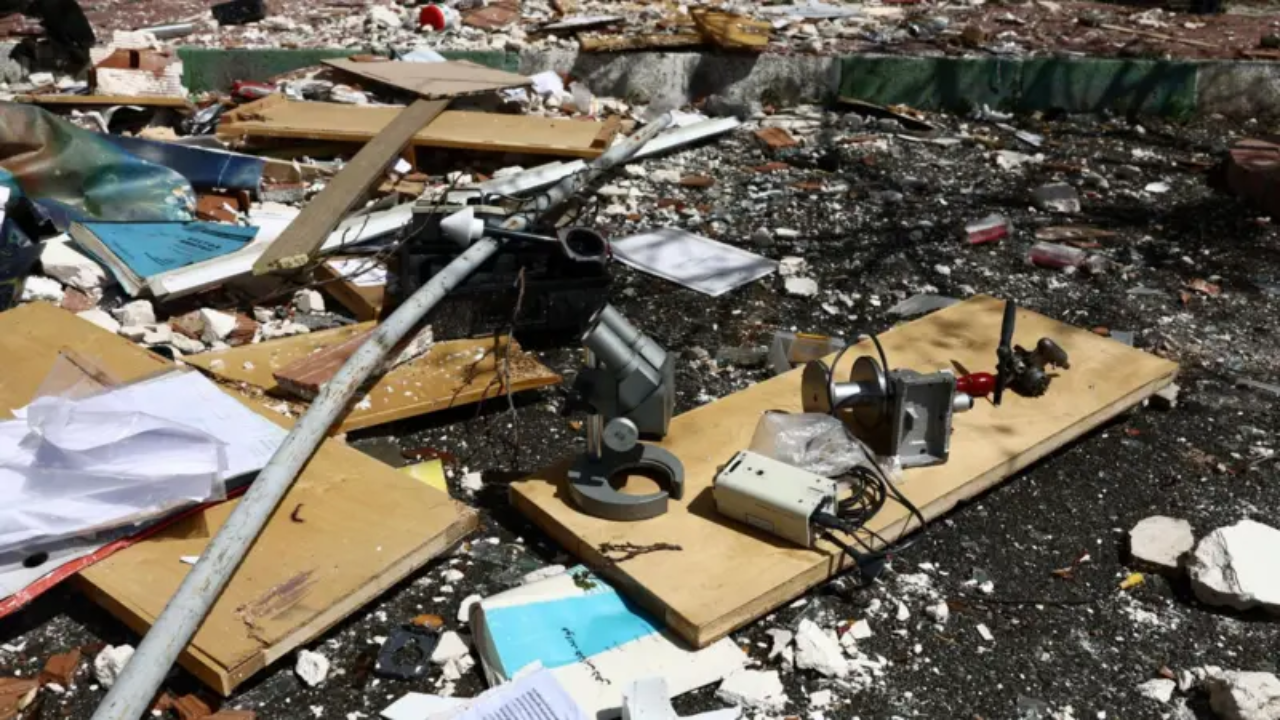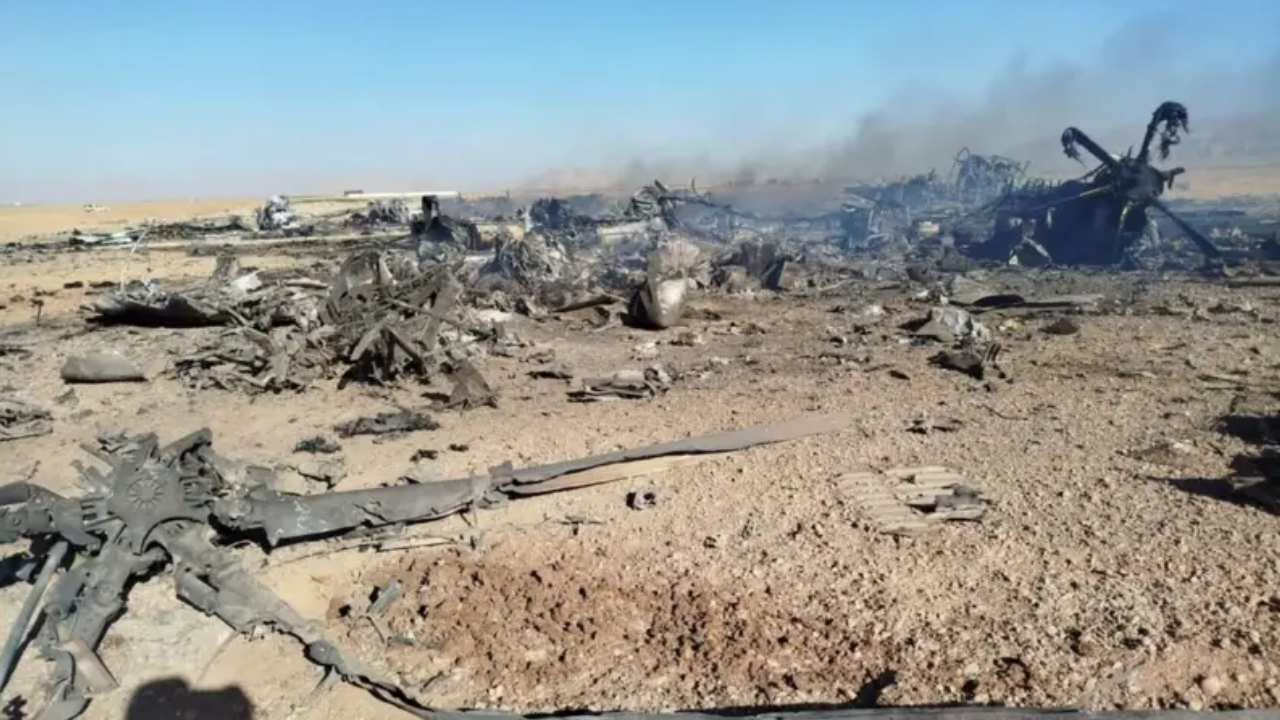
Verified imagery released today, April 5, 2026, confirms the presence of charred aircraft wreckage at an abandoned airfield south of Isfahan. The scene has become the centerpiece of two wildly different narratives following a high-stakes military engagement between U.S. and Iranian forces.
Thank you for reading this post, don't forget to subscribe!The Operation
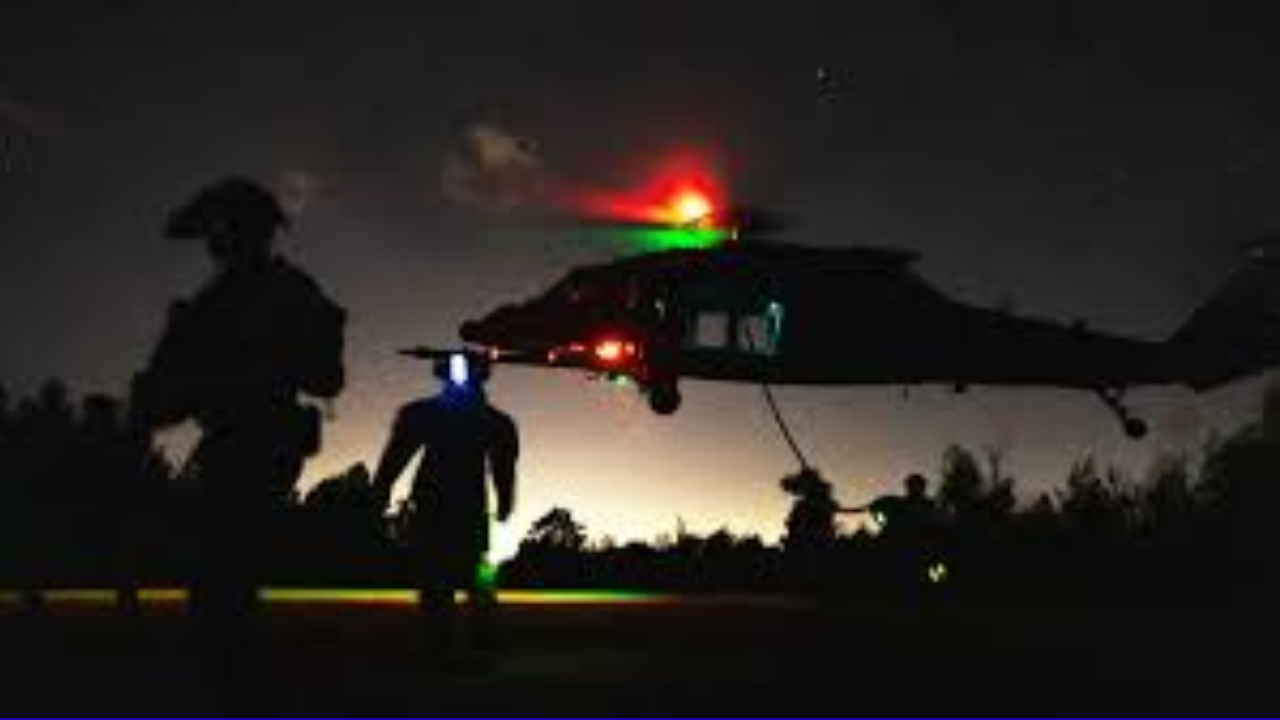
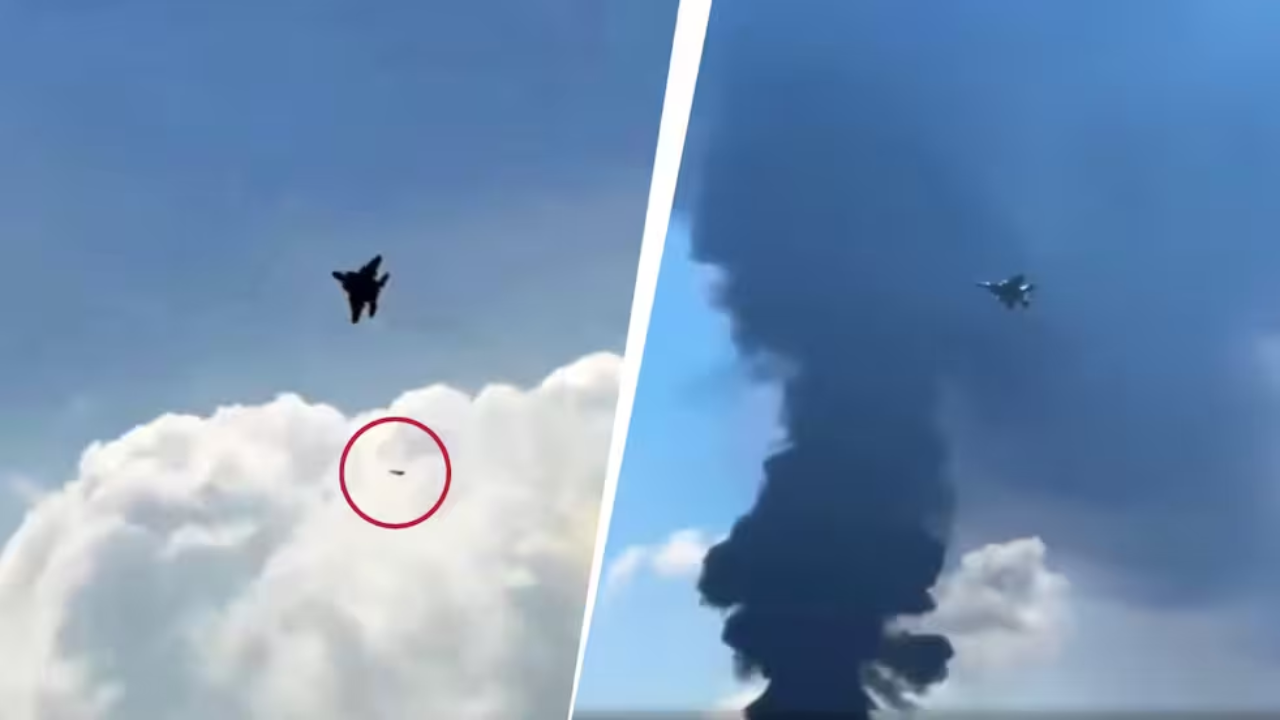
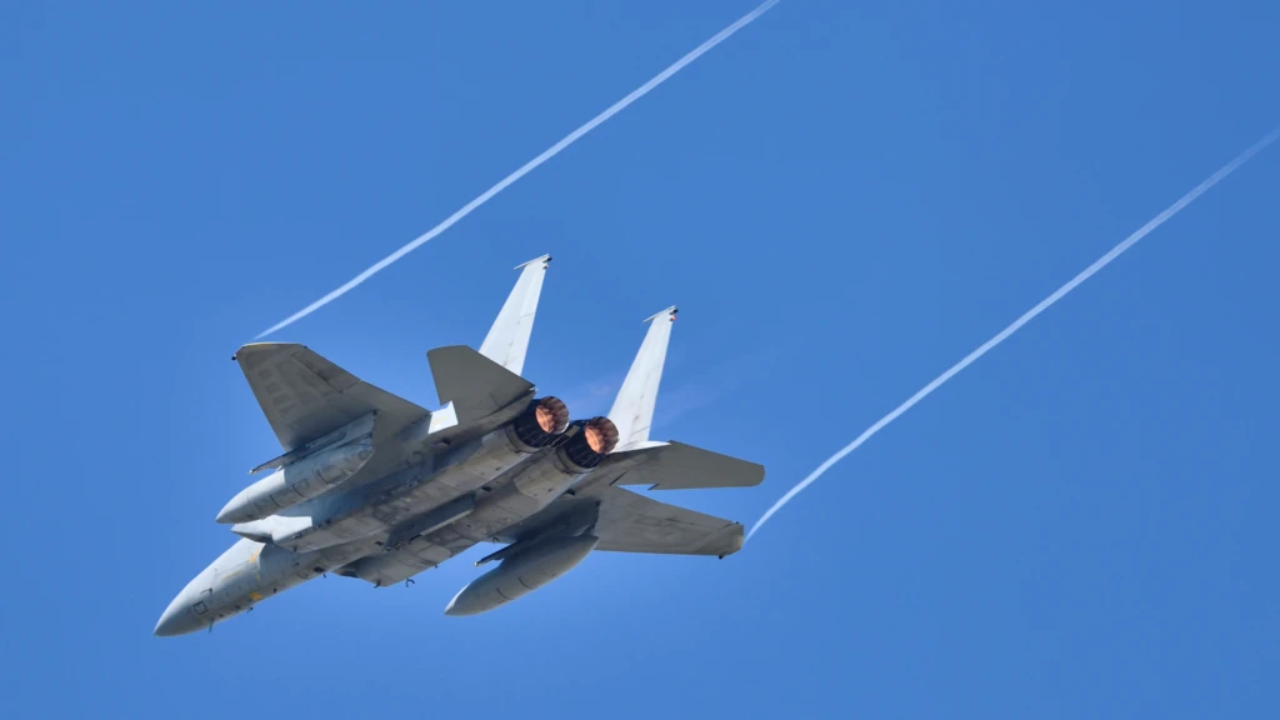
The incident centers on a U.S. mission to recover an American airman from a downed F-15E Strike Eagle. While the location of the recovery remains sensitive, the physical evidence of the mission’s intensity is now visible at a remote site in central Iran.
Conflicting Reports
| Source | Claimed Outcome | Status of Personnel |
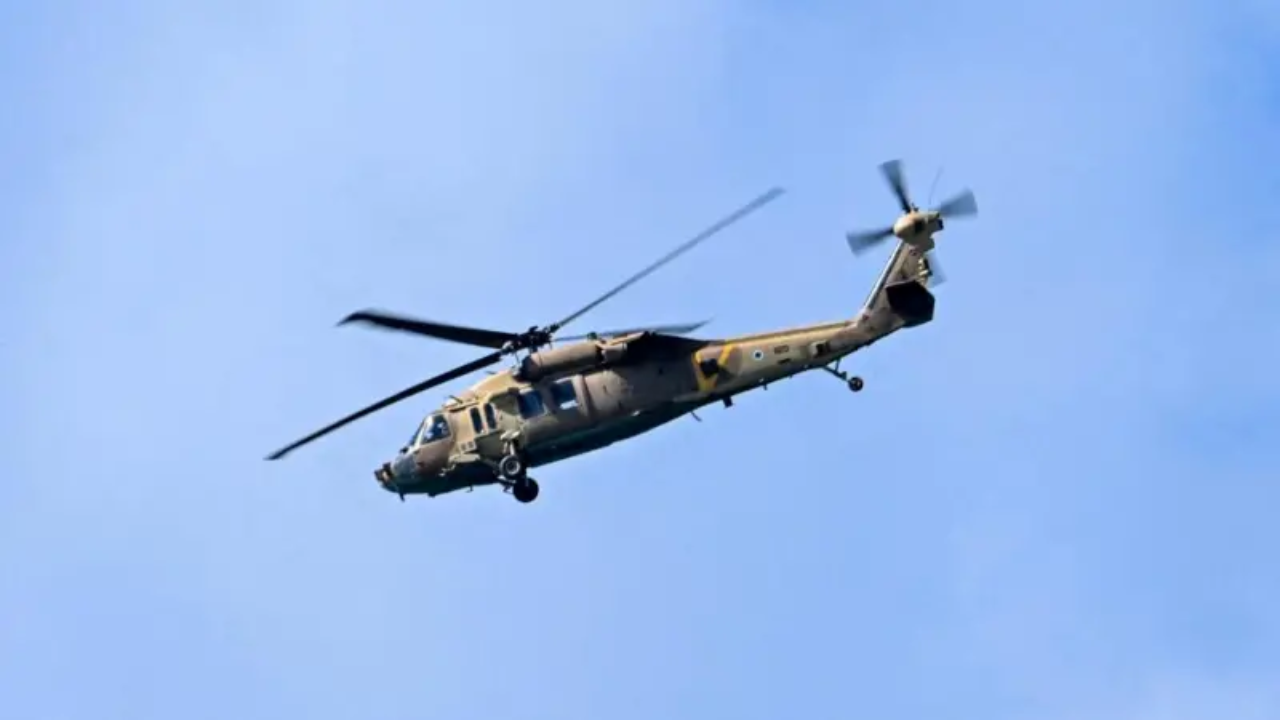
| Tehran (IRGC) | Claims to have foiled a U.S. infiltration, destroying multiple aircraft including MC-130J transports and Black Hawk helicopters. | Asserts the mission was a total failure for the U.S. |
| Washington (U.S.) | Describes a successful, “daring” rescue behind enemy lines. | Confirms the missing crew member was safely recovered. |
Analysis of the Wreckage
While Iranian media portrays the wreckage as a result of their defensive fire, Western analysts suggest a different scenario. It is common protocol for U.S. special operations teams to deliberately destroy grounded or disabled aircraft to prevent advanced technology and sensitive equipment from being captured.
The images released via Sepah News show:
- Total thermal destruction of at least two large airframes.
- Debris consistent with the U.S. special operations fleet.
- No immediate evidence of U.S. casualties at the crash site.
Strategic Context
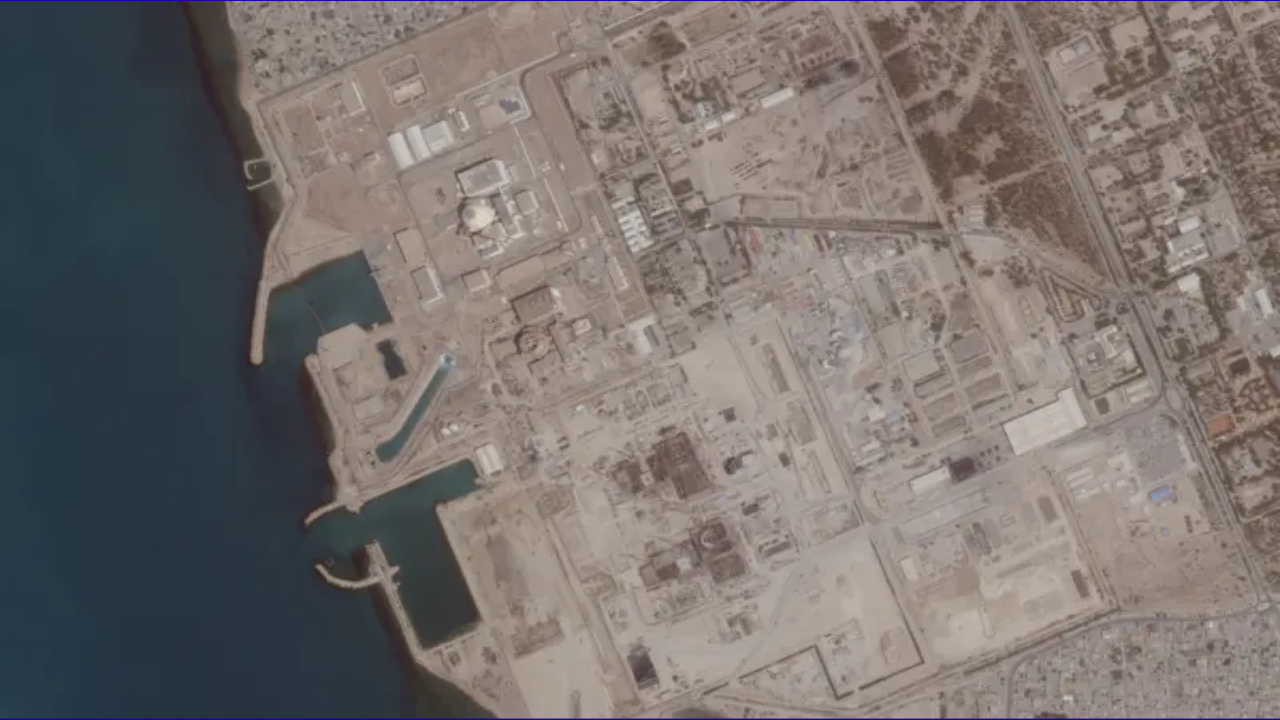
This engagement marks a significant escalation in the conflict that began on February 28, 2026. Isfahan has remained a focal point of the campaign due to its concentration of IRGC facilities and nuclear infrastructure. The destruction of these aircraft—whether by hostile fire or intentional scuttling—represents the most significant loss of American hardware on Iranian soil since the start of the war.