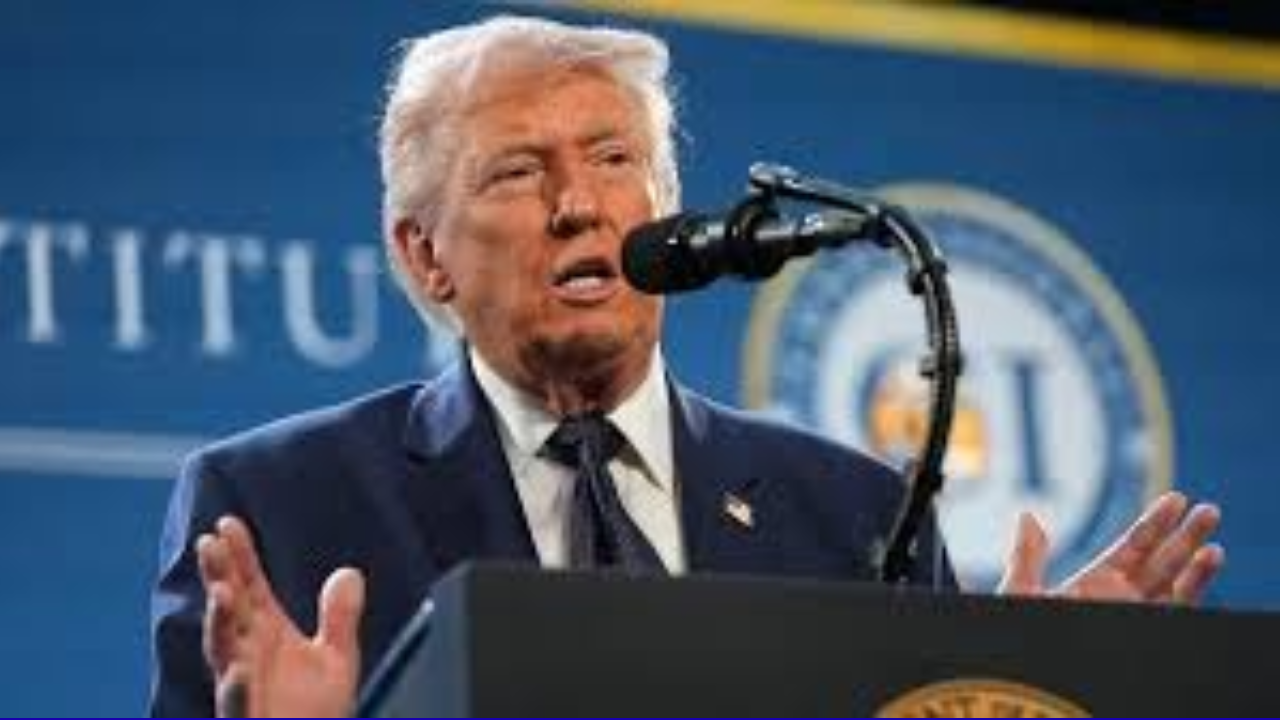
The Trump administration’s Education Department has finalized a major new rule for the Public Service Loan Forgiveness (PSLF) program. Effective July 1, 2026, this regulation grants the Education Secretary power to disqualify employers—not individual borrowers—whose activities are deemed to have a “substantial illegal purpose.”
Thank you for reading this post, don't forget to subscribe!This change could significantly reduce the number of organizations eligible for PSLF, jeopardizing loan forgiveness for employees in key public service sectors.
Who Could Be Blocked?
The rule is specifically aimed at excluding non-profit organizations that the administration believes are engaged in certain activities. These activities include, but are not limited to:
- Immigration Advocacy: Aiding and abetting violations of federal immigration laws (i.e., working with undocumented immigrants).
- Gender Transition Care: Engaging in “chemical and surgical castration or mutilation of children” in violation of federal or state law.
- Political Protest: Supporting terrorism or engaging in violence to obstruct or influence federal policy, which may include organizations involved in public protests.
The Impact on Public Servants
- Future Payments Invalidated: If a borrower’s employer is disqualified, any monthly payments made after the effective date of the Secretary’s determination will no longer count toward the 120 payments needed for forgiveness.
- Previous Payments Protected: Payments a borrower made before their employer’s disqualification will still count.
- Risk to Borrowers Nearing Forgiveness: The rule could derail those close to the 10-year threshold if their employer is suddenly deemed ineligible.
- Employer Challenge Process: Disqualified employers will have the right to appeal the decision and can regain eligibility after 10 years or through an approved “corrective action plan.”
Political and Legal Battle Ahead
The new rule immediately sparked intense controversy:
| Administration’s Stance | Critics’ Concerns |
| “Restoring Purpose” to ensure taxpayer funds only go to “teachers, first responders, and civil servants.” | Politicization: Turns PSLF into a “tool of political retribution” used to target non-profits with opposing ideological views. |
| “Protecting Taxpayers” from subsidizing organizations that “violate the law” (e.g., harboring illegal immigrants). | Ambiguity & Overreach: The broad language of “substantial illegal purpose” is vague, allowing the administration to arbitrarily disqualify employers. |
| Fulfilling an Executive Order to exclude organizations that harm “national security and American values.” | Constitutional Challenge: Legal groups like Democracy Forward have vowed to sue, arguing the rule is an unconstitutional attempt to override Congress’s original intent for PSLF. |
The rule is scheduled to go into effect on July 1, 2026, but it is widely expected to face immediate legal challenges seeking an injunction before that date.
Would you like to know more about the history and purpose of the original Public Service Loan Forgiveness program to understand how these new rules change it?