As of late March 2026, the humanitarian situation in Lebanon has shifted from a temporary emergency to a long-term crisis. The speed of the displacement—sparked by the major escalation on March 2—has left more than a million people in a state of limbo, unsure if “home” still exists.
Thank you for reading this post, don't forget to subscribe!The Magnitude of the Crisis
The numbers tell a story of a country pushed to its absolute limit:
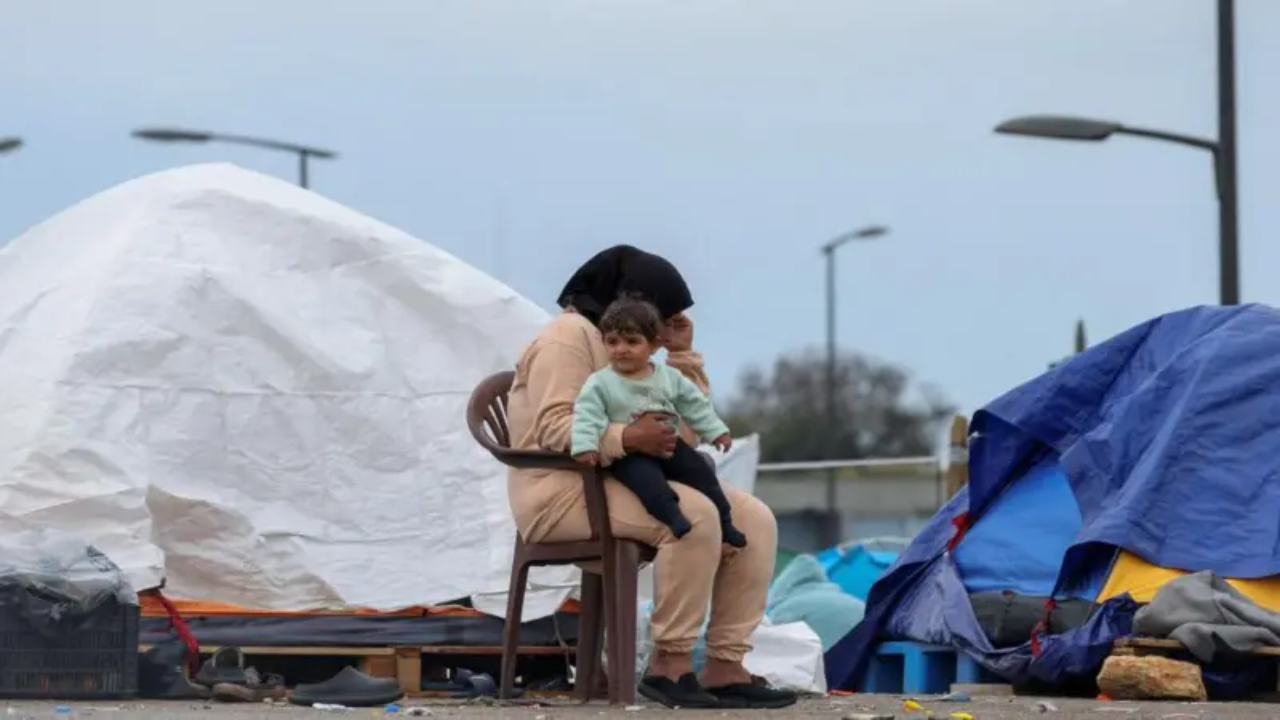
- Massive Displacement: Nearly 1.2 million people—one-fifth of the nation—are currently on the move.
- No-Go Zones: IDF evacuation orders now cover roughly 14% of Lebanon’s territory, effectively hollowing out the South, the Bekaa Valley, and the Dahiyeh district of Beirut.
- Infrastructure Collapse: Displaced families are overflowing from schools into parks and public squares, stretching Lebanon’s already fragile public services to a breaking point.
Why “Going Home” Feels Impossible
The primary fear among civilians is that this displacement isn’t just a pause in their lives, but a permanent relocation. Several factors are fueling this anxiety:
- Political Rhetoric: High-level statements from Israeli officials suggest that residents of the south may not be allowed back until a deep “buffer zone” is secured, leading many to fear a “buffer zone” means a permanent exclusion zone.
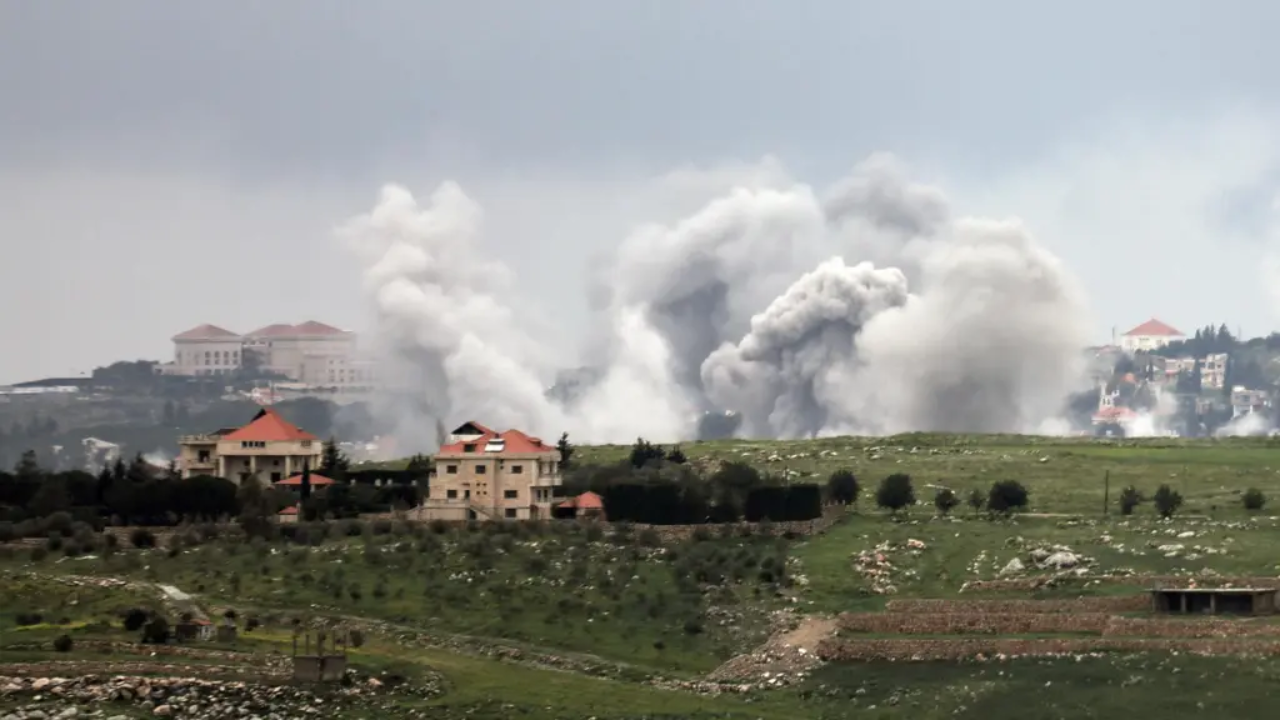
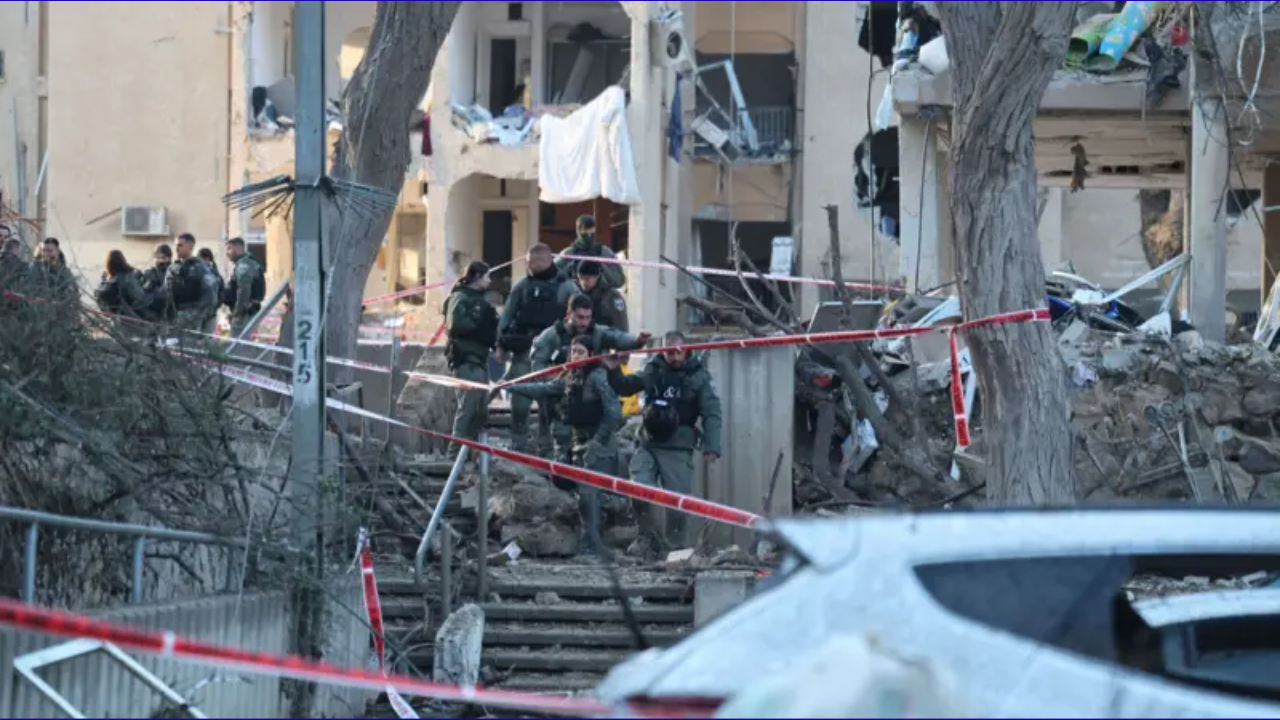
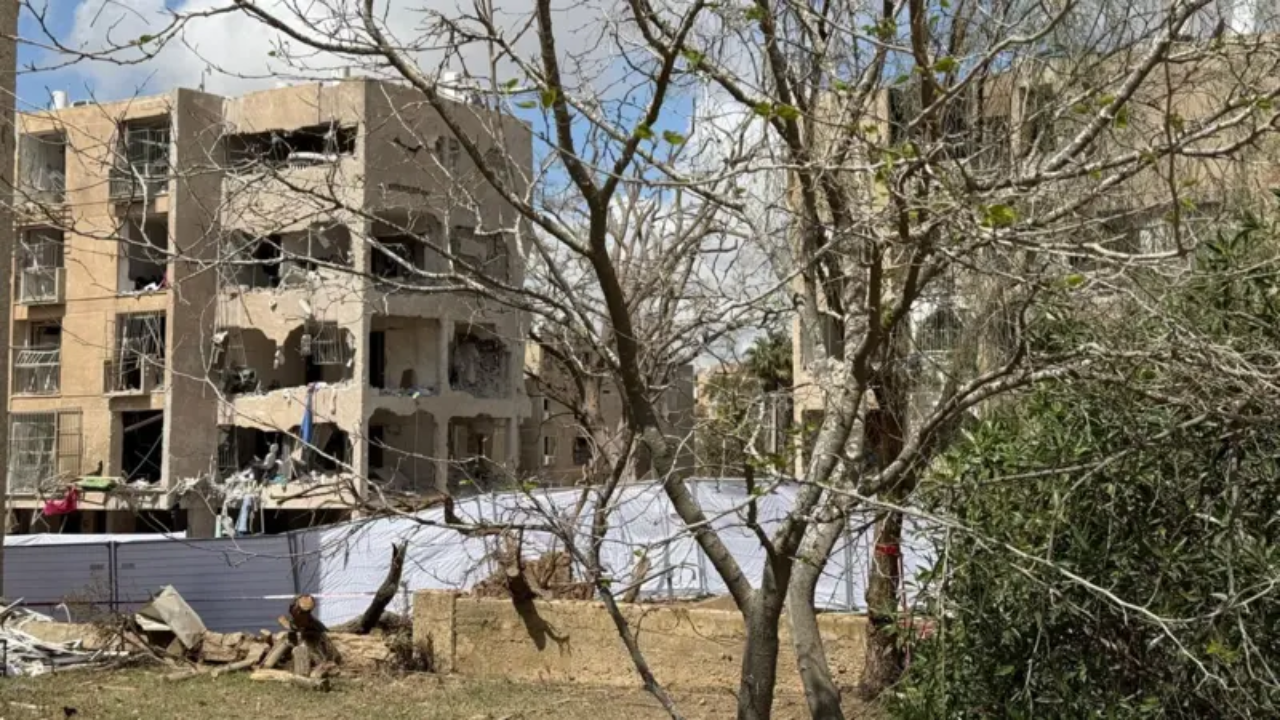
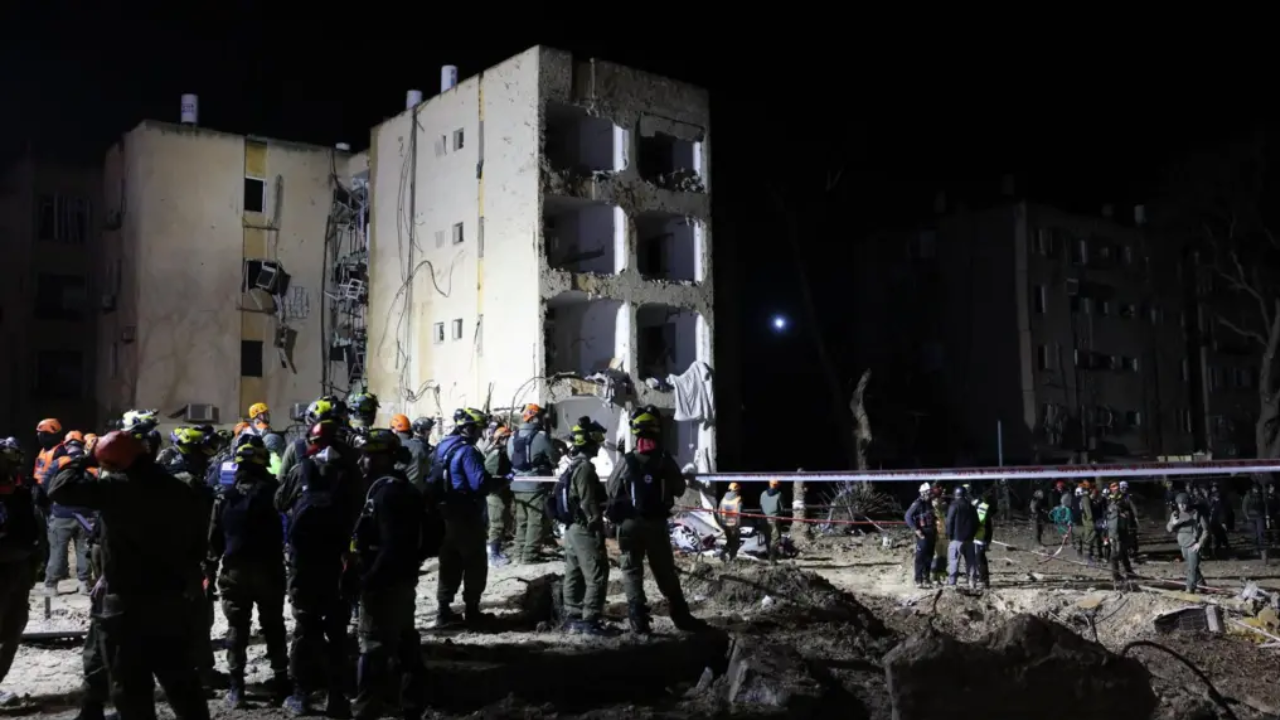
- Total Devastation: In many border villages, the destruction is total. Even if a ceasefire were signed tomorrow, there is no water, electricity, or housing to return to.
- The UXO Threat: The landscape is now littered with unexploded ordnance. For families with children, the risk of returning to a debris-filled neighborhood is a gamble many aren’t ready to take.
The Psychological Toll
For many Lebanese, this is the second or third time they have had to rebuild their lives in the last two years. This “cycle of loss” has created a profound sense of hopelessness. The humanitarian community warns that without a diplomatic breakthrough to reinstate the November 2024 ceasefire, the social fabric of Lebanon may be irreparably torn.