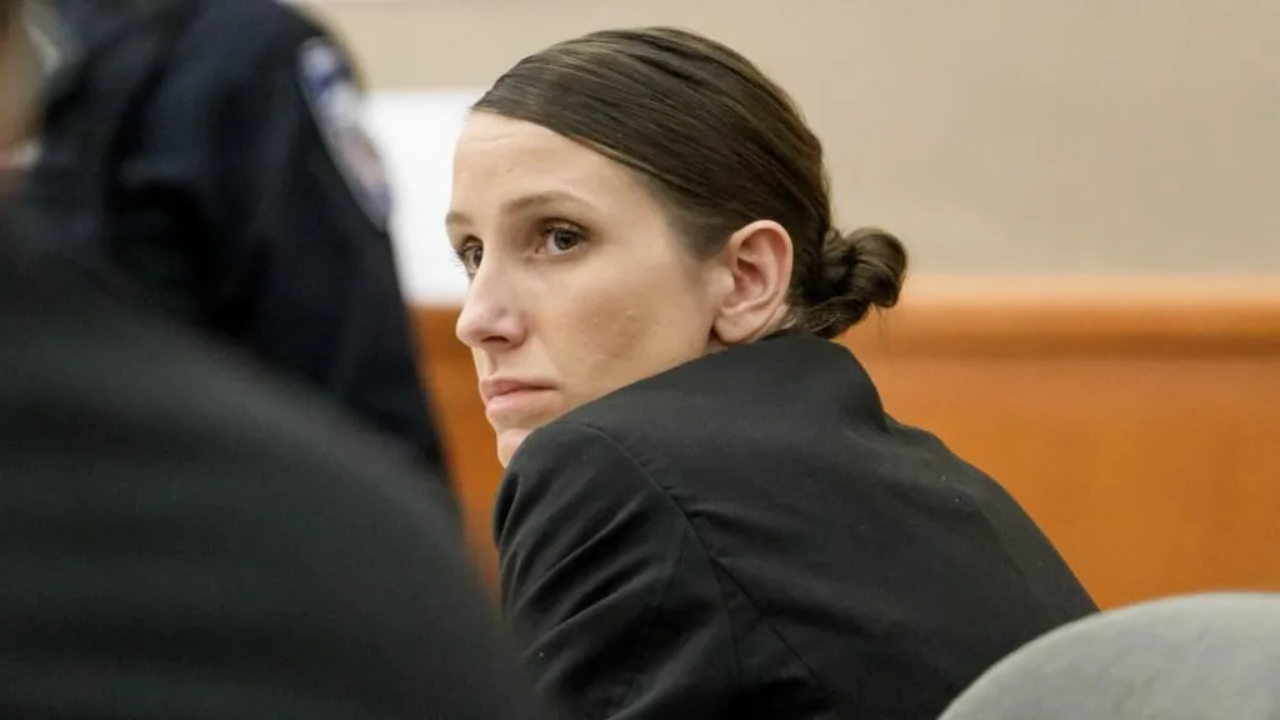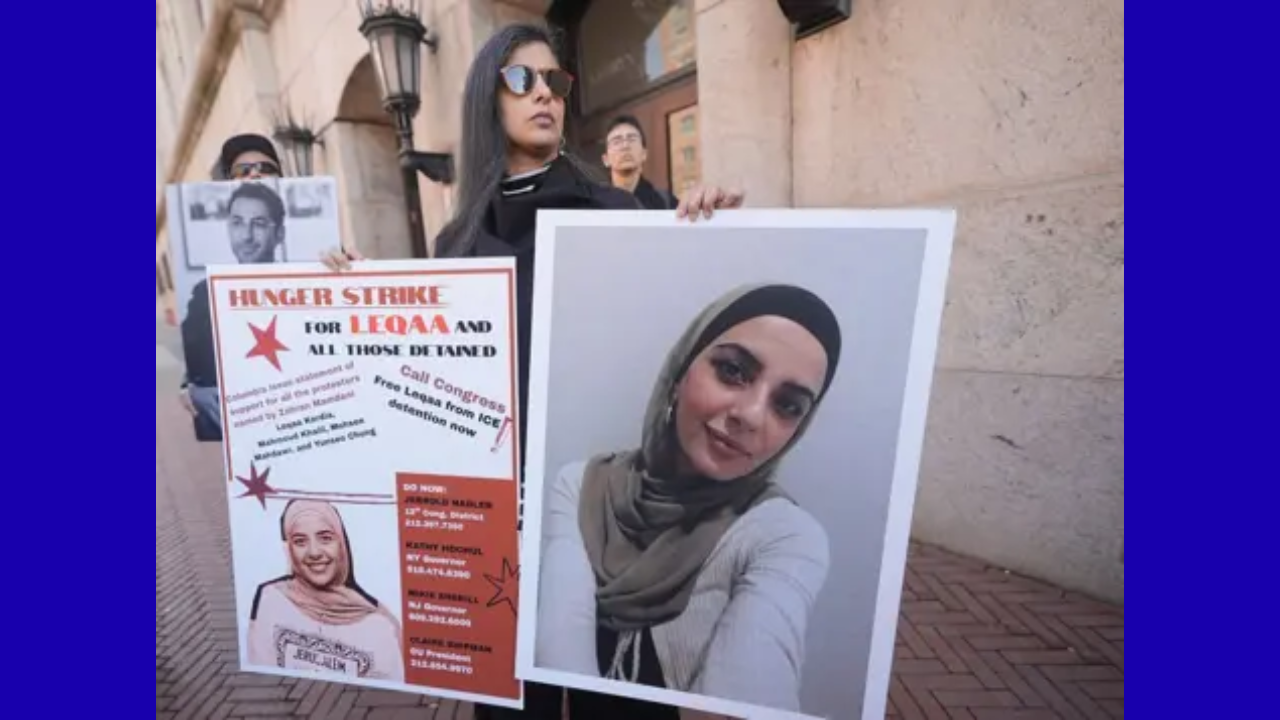
DALLAS, TX — Leqaa Kordia, a 33-year-old Palestinian activist and former Columbia University protester, was released from federal immigration custody on Monday, March 16, 2026. Her release from the Prairieland Detention Center marks the end of a year-long legal saga that became a flashpoint for debates over free speech and immigration enforcement.
Thank you for reading this post, don't forget to subscribe!The Path to Detention
Kordia’s legal troubles began during the April 2024 campus protests at Columbia University. While the initial criminal charges from that arrest were eventually dropped, she remained on the radar of federal authorities.
On March 13, 2025, during a routine check-in with Immigration and Customs Enforcement (ICE) in New Jersey, Kordia was taken into custody. The Department of Homeland Security (DHS) cited a visa overstay and flagged $1,000 in wire transfers she had sent to her family in Gaza as evidence of “terrorist sympathy”—a claim her lawyers vehemently denied, maintaining the funds were for basic humanitarian survival.
A Grueling Legal Battle
Kordia’s year in detention was defined by a repetitive cycle of legal victories and government interventions:
- Three Bond Orders: Immigration judges ordered her release on three separate occasions.
- Automatic Stays: The government used “automatic stay” provisions to block her first two release orders, keeping her behind bars despite judicial rulings in her favor.
- Final Release: She was finally permitted to leave on Monday after posting a $100,000 bond following a third ruling.
Medical Concerns and Controversy
The case drew international scrutiny due to Kordia’s declining health. In February 2026, she suffered a seizure—the first of her life—and was hospitalized. Advocacy groups sparked outrage when it was revealed that Kordia remained handcuffed and shackled to her hospital bed throughout her three-day treatment.
What’s Next?
While Kordia is no longer in a detention cell, her legal journey is far from over. She still faces the threat of deportation and is currently pursuing a path to permanent residency through her mother, a U.S. citizen.
Her release follows that of other high-profile activists, such as Mahmoud Khalil and Mohsen Mahdawi, signaling the end of a specific chapter of federal crackdowns on the 2024-2025 campus protest movement.