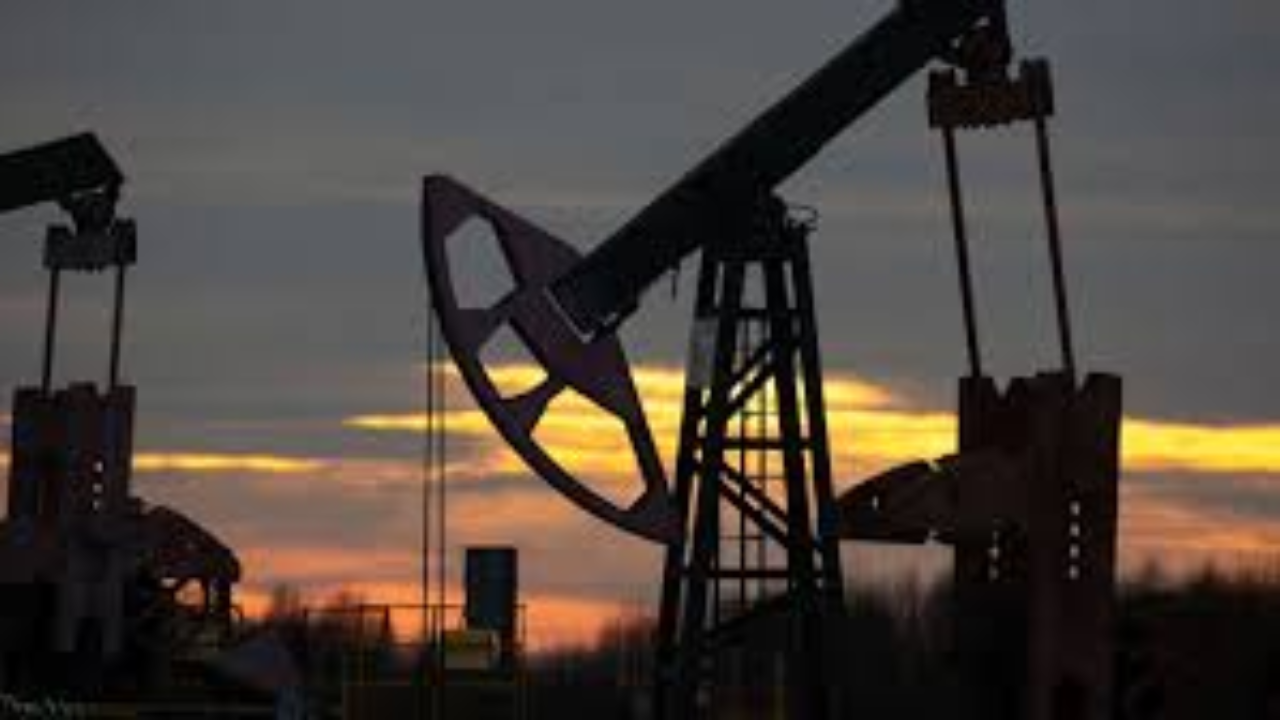
A recent U.S. decision to relax certain sanctions on Russian oil sales has sent shockwaves through Europe and Ukraine. While framed by Washington as a move to stabilize global energy markets, leaders in Kyiv and Brussels warn it may inadvertently provide the Kremlin with the “blood money” needed to extend its invasion.
Thank you for reading this post, don't forget to subscribe!The European Backlash
EU President Antonio Costa took to social media to voice his deep concern, labeling the U.S. pivot as a threat to European security. His argument is rooted in a strategy of total economic isolation:
- The Goal: Maintain maximum pressure to force Russia into serious peace negotiations.
- The Risk: Costa warned that “weakening sanctions increases Russian resources to wage the war of aggression.”
The View from Kyiv
For President Zelenskyy, the stakes are existential. He described the lifting of any sanctions as a “serious blow” to Ukraine’s defense efforts. His concern is practical: more oil revenue equals more missiles, drones, and artillery for the Russian front lines.
“Russia will use the extra revenue from oil sales to buy more weapons. We strongly hope the U.S. will not make such a concession.” — President Volodymyr Zelenskyy
The Strategic Paradox
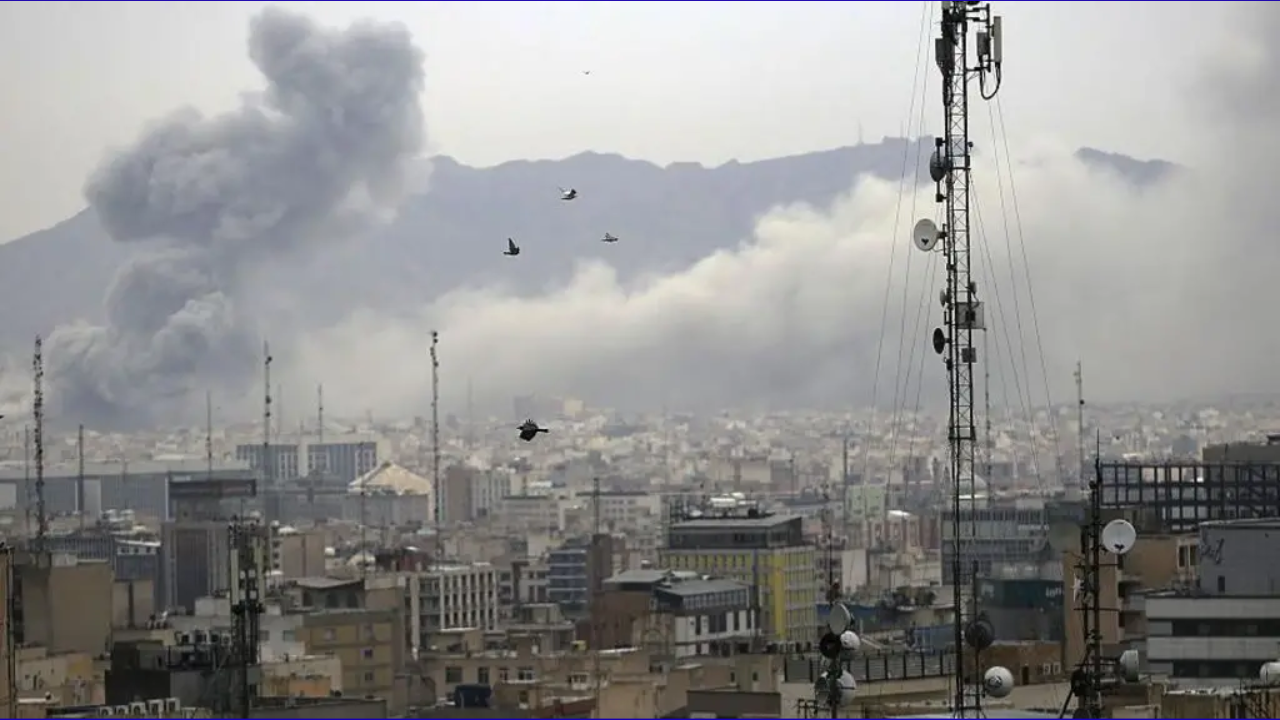
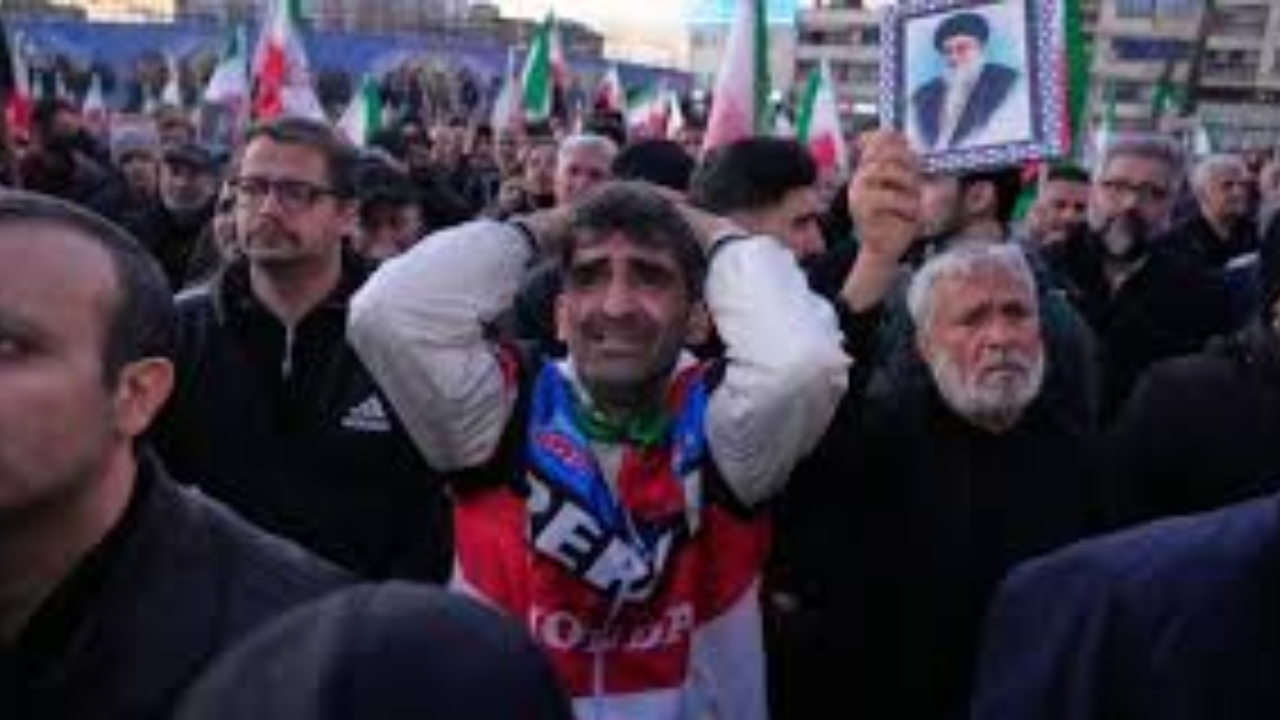
Diplomatic sources in Kyiv pointed out a glaring contradiction in global policy. While Russia is actively helping the Iranian regime destabilize the Middle East, they are now receiving a “market stabilization” gift from the West.
The core concerns from Kyiv diplomats include:
- Market Instability: They argue the move won’t actually stabilize the market long-term.
- War Longevity: More cash flow allows Russia to sustain a war of attrition that it might otherwise be forced to end.
- Geopolitical Irony: The move rewards a state that is currently fueling conflict in both Europe and the Middle East.
Summary of the Conflict
| Stakeholder | Perspective | Primary Concern |
| United States | Strategic easing of oil restrictions. | Global energy price inflation. |
| European Union | “Very concerning” policy shift. | Erosion of security and peace leverage. |
| Ukraine | A “serious blow” to their defense. | Funding of the Russian military machine. |