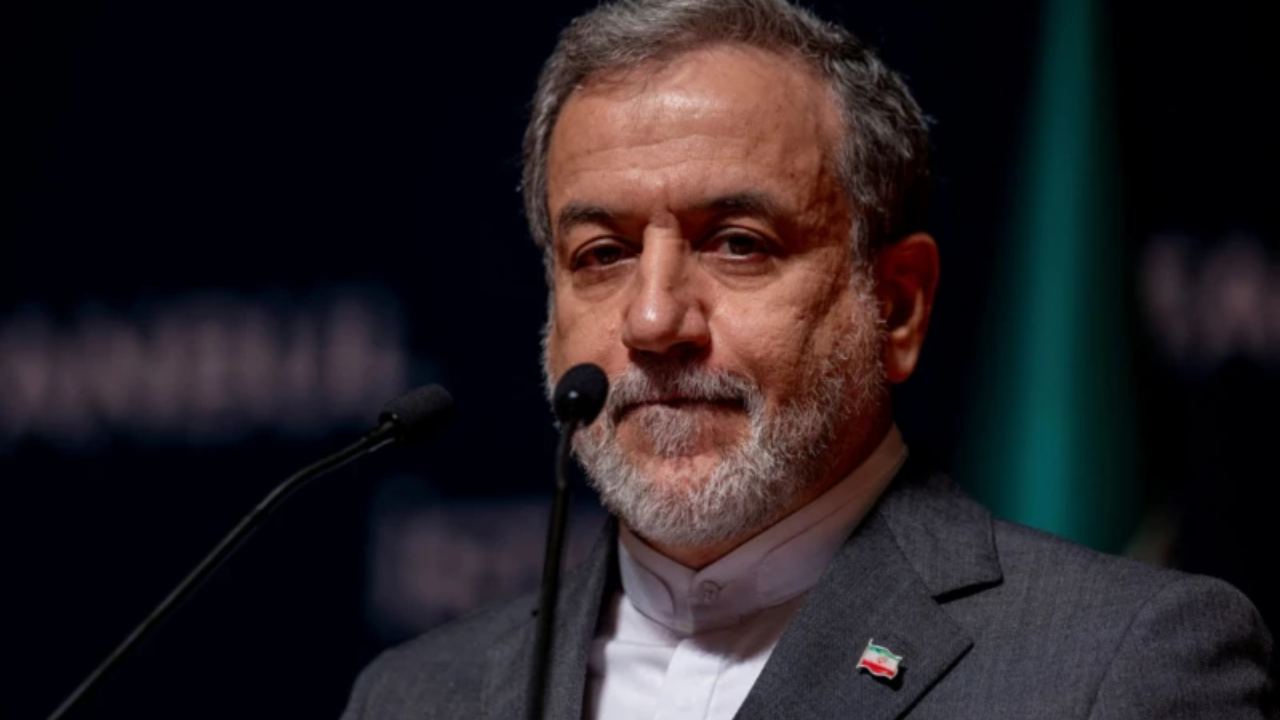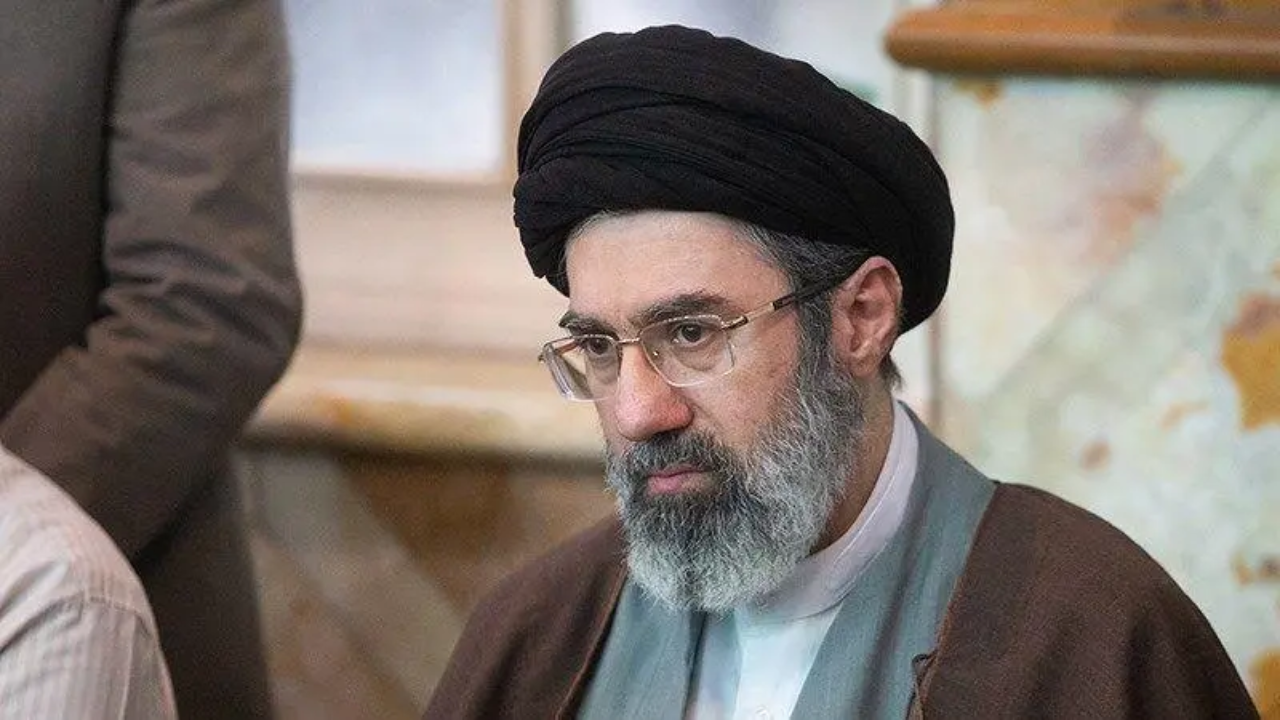
Recent U.S. intelligence briefings—shared with the White House and reported by CBS News—suggest that the late Ayatollah Ali Khamenei was far from confident in his son Mojtaba’s ability to lead Iran. Despite Mojtaba’s eventual appointment to Supreme Leader on March 8, 2026, his father reportedly harbored deep-seated reservations.
Thank you for reading this post, don't forget to subscribe!Core Concerns of the Late Supreme Leader
- Lack of Competence: Sources indicate Ali Khamenei viewed Mojtaba as “not very bright” and lacking the intellectual or theological depth required for the role.
- Personal Liabilities: Intelligence suggests the elder Khamenei was aware of undisclosed “issues in his son’s personal life” that could compromise his standing as a moral authority.
- The “Monarchy” Paradox: A hereditary succession contradicts the foundational principles of the 1979 Revolution, which sought to dismantle dynastic rule.
Current Status of the New Leadership
The transition has been anything but smooth, characterized by silence and physical absence:
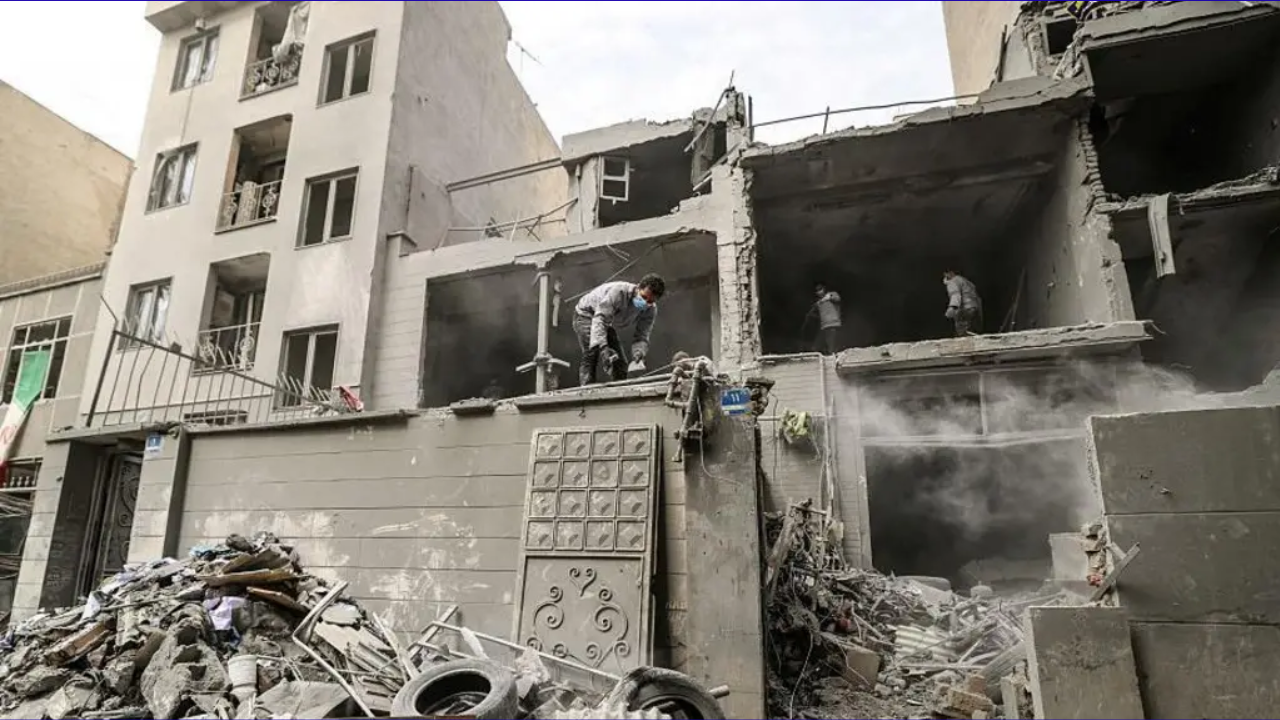
- The “Disfigured” Leader: Mojtaba has not made a public appearance since his father’s death. U.S. officials, including Defense Secretary Pete Hegseth, believe Mojtaba was severely injured in the February Israeli strikes.
- IRGC Control: With Mojtaba incapacitated or in hiding, the Islamic Revolutionary Guard Corps (IRGC) is believed to be the true governing power in Tehran.
- U.S. Pressure: The U.S. continues to signal its lack of recognition for the new regime, maintaining a $10 million bounty on Mojtaba.
Bottom Line: The intelligence portrays a regime led by a man his own father didn’t trust, who is now being shielded (or controlled) by the military elite while recovering from significant injuries.