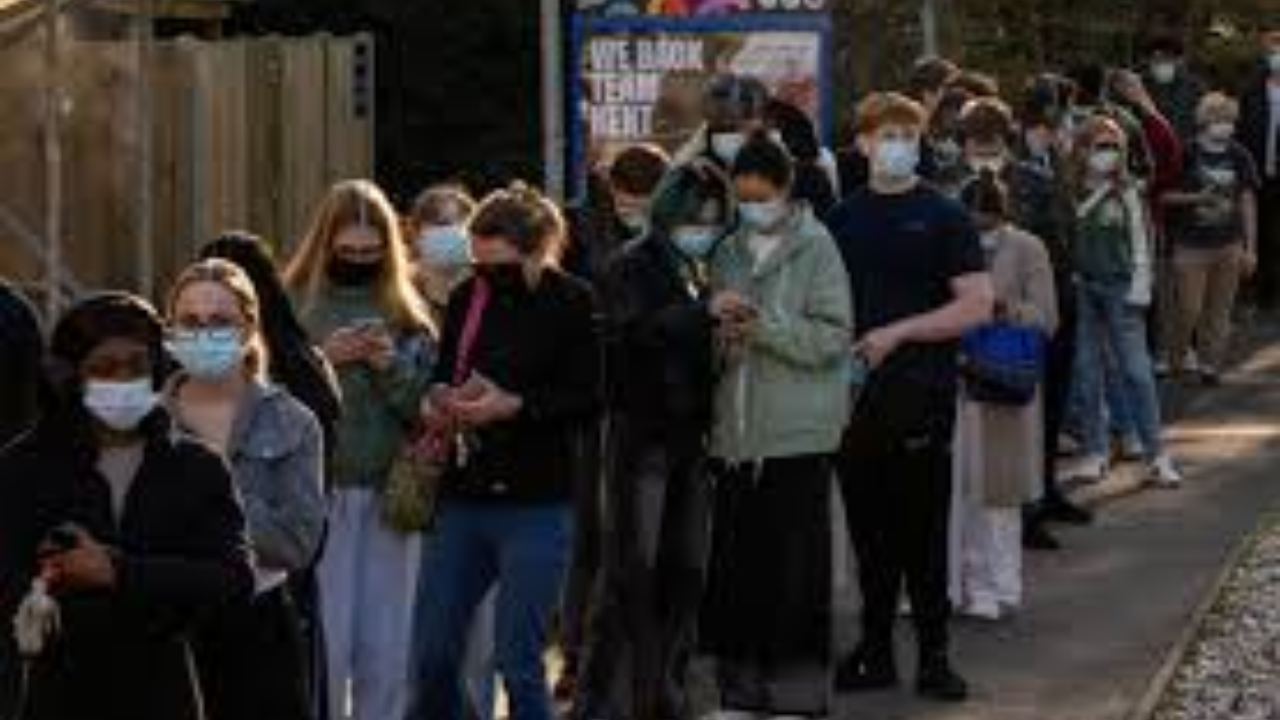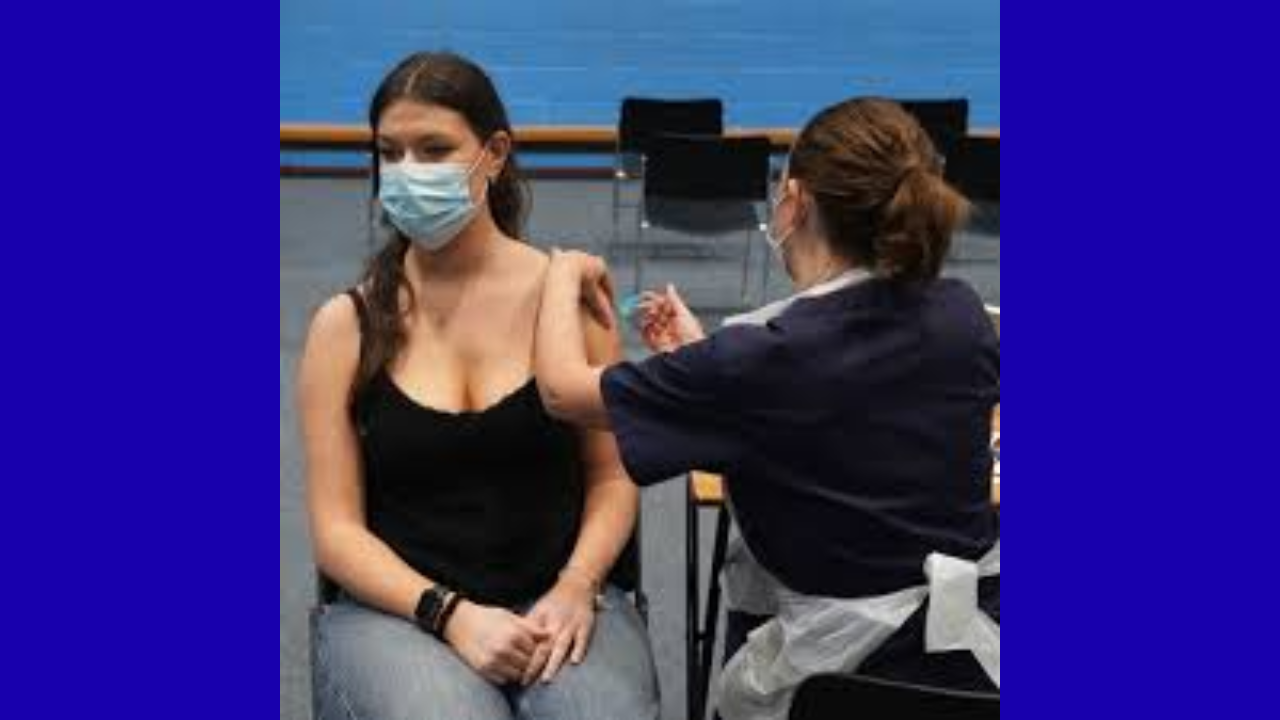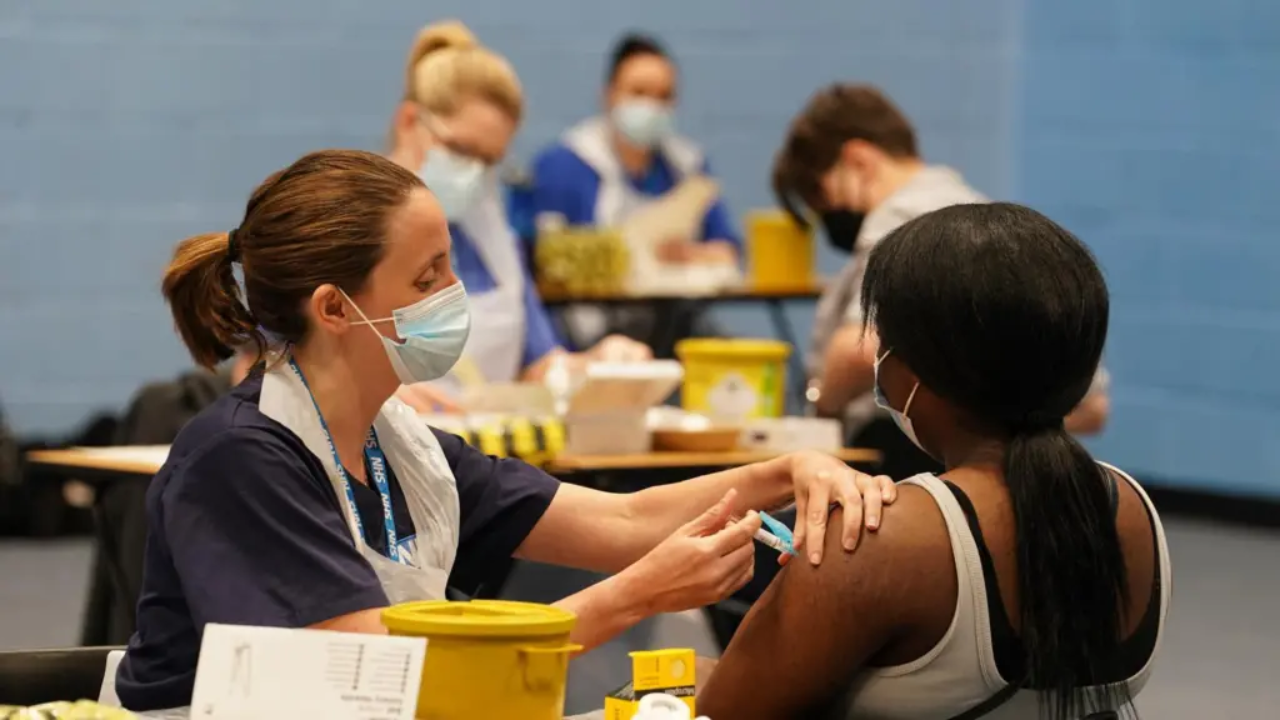
CANTERBURY — NHS England and the UK Health Security Agency (UKHSA) have confirmed that nearly 1,500 targeted MenB vaccinations have been administered to high-risk students following a “deadly and unprecedented” outbreak of invasive meningococcal disease in Kent.
Thank you for reading this post, don't forget to subscribe!The surge in medical intervention comes as the case count rises to 27, with two laboratory-confirmed deaths and 11 individuals remaining in serious condition.
Key Developments (March 19, 2026)
- Vaccination Milestone: The initial 1,500 doses represent the start of a massive campaign to vaccinate 5,000 students living in halls of residence at the University of Kent.
- Antibiotic Blitz: In addition to vaccines, health officials have distributed over 2,500 doses of prophylactic antibiotics (Ciprofloxacin) to students and visitors of Club Chemistry, where the “super-spreader” event is believed to have occurred between March 5–7.
- National Alert: The UKHSA has issued a rare national public health alert, warning GPs across England to be vigilant as students travel home for the end of the term.
Why the Concern?
Experts are calling this the “fastest-growing” meningitis cluster seen in decades. Because the MenB vaccine only became routine for infants in 2015, the vast majority of current university students (those born before 2012) have no natural or vaccine-induced immunity to this specific strain.
Essential Health Advice
The NHS is urging anyone who attended the affected Canterbury nightclub or who lives in university halls to seek medical attention if they develop:
- A “glass test” rash (one that doesn’t fade under pressure)
- Severe headache or stiff neck
- Extreme sensitivity to light
- Cold hands and feet with a high fever
Note: Antibiotics are the primary tool for stopping immediate spread, while the vaccine provides longer-term protection. If you have symptoms, do not wait for a vaccine—call 999 or 111 immediately.