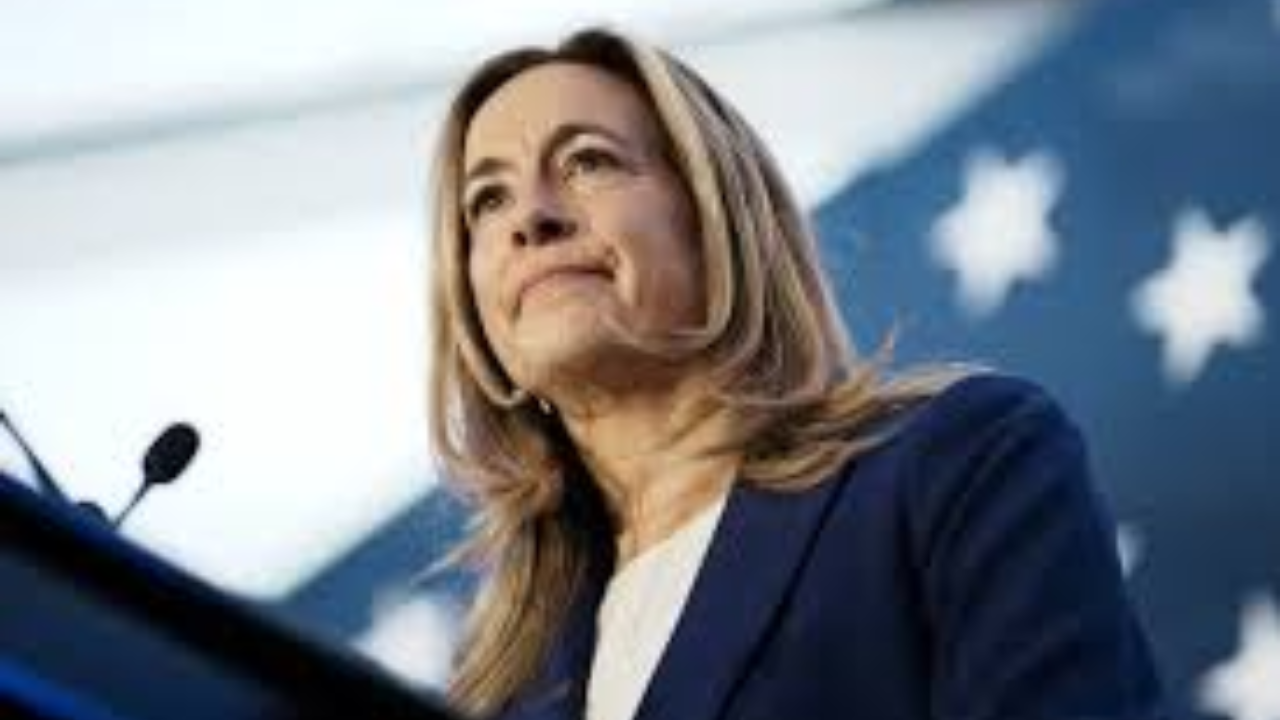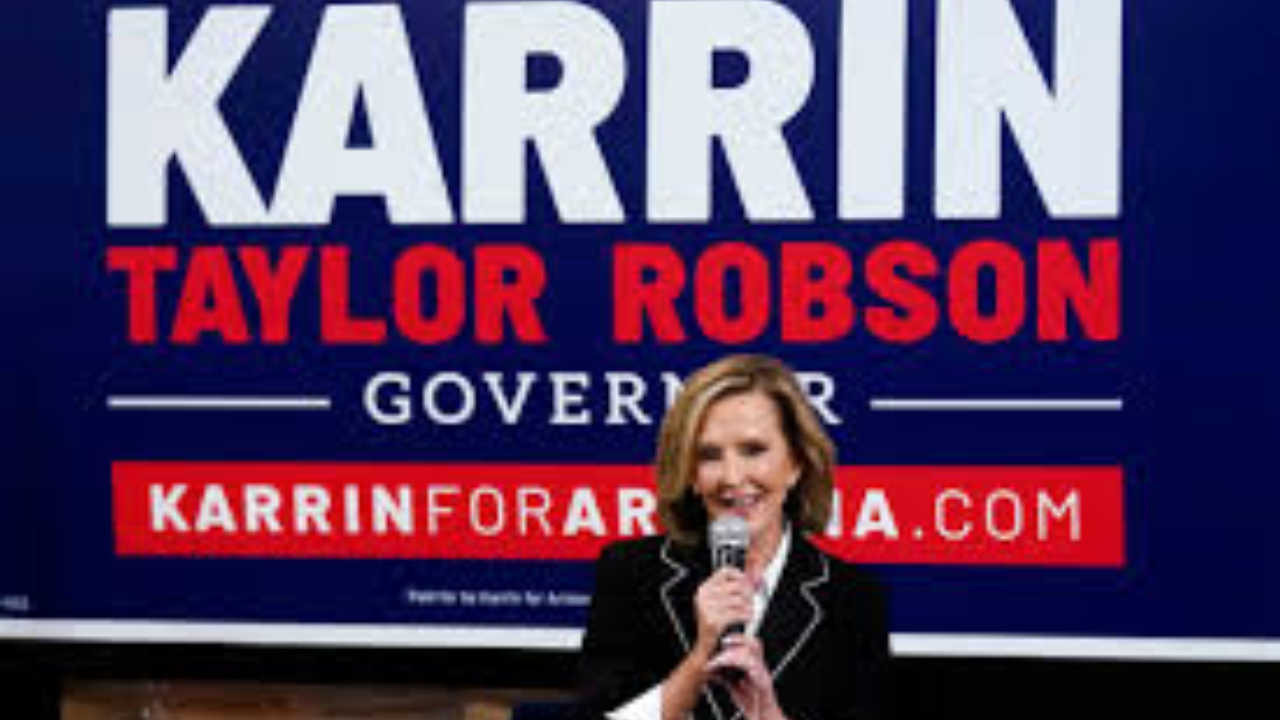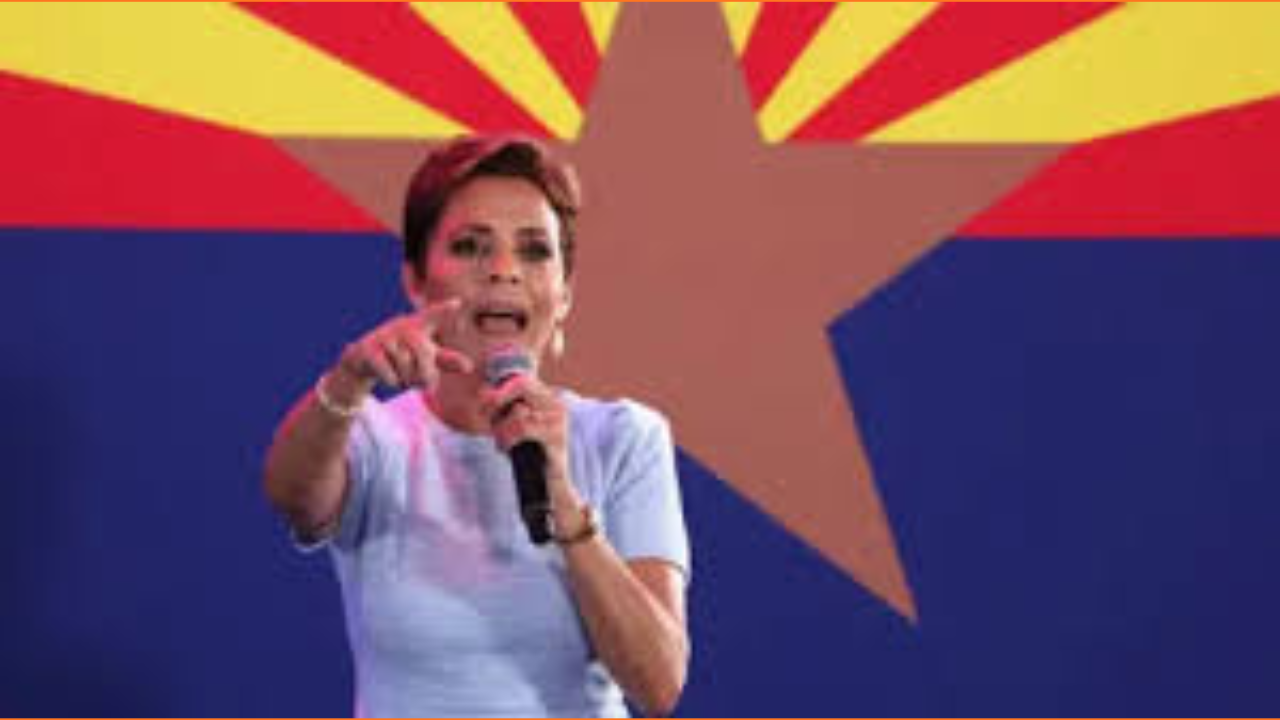
In her current capacity as a high-ranking official in the Trump administration, Kari Lake has intensified her rhetoric against opponents of the SAVE (Safeguard American Voter Eligibility) Act. Lake has repeatedly termed the pushback against the bill as “very revealing,” suggesting that the resistance unmasks a coordinated effort to undermine the integrity of the 2026 midterm elections.
Thank you for reading this post, don't forget to subscribe!The “Revealing” Argument
- The National Security Angle: Leveraging her role at the U.S. Agency for Global Media (USAGM), Lake has linked the SAVE Act to her broader “purge” of federal agencies. She argues that the same “rot” she claims to be cleaning out of the Voice of America is fueling the opposition to voter-ID requirements.
- A “Common Sense” Test: To Lake and her supporters, the act is a baseline security measure. By blocking it, she asserts that Democrats and “Deep State” bureaucrats are exposing their own “anti-American” motivations to the public.
Core Provisions of the SAVE Act
The legislation, which remains a primary flashpoint in the 119th Congress, seeks to overhaul federal registration:
- Documentary Proof: Requires a passport, birth certificate, or specific government ID to register for federal elections.
- Mandatory Purges: Obligates states to use federal databases (like DHS’s SAVE system) to remove non-citizens from voter rolls monthly.
The Counter-Perspective: A “Power Grab”
While Lake sees the opposition as “revealing” of bad intent, critics and civil rights groups have their own interpretation:
- Bureaucratic Barriers: Groups like the Brennan Center argue the bill is a “power grab” designed to disenfranchise the roughly 21 million Americans who do not have immediate access to citizenship documents.
- Redundancy: Opponents point out that non-citizen voting is already illegal and statistically rare, suggesting the bill is a solution in search of a problem, intended to create “burdensome hurdles” for marginalized voters.
Political Outlook
As of mid-February 2026, the SAVE Act has passed the House but faces a steep uphill battle in the Senate. Lake continues to use her platform to frame the upcoming 2026 elections as a choice between “secured borders and secured ballots” versus what she describes as the “revealing” agenda of the opposition.