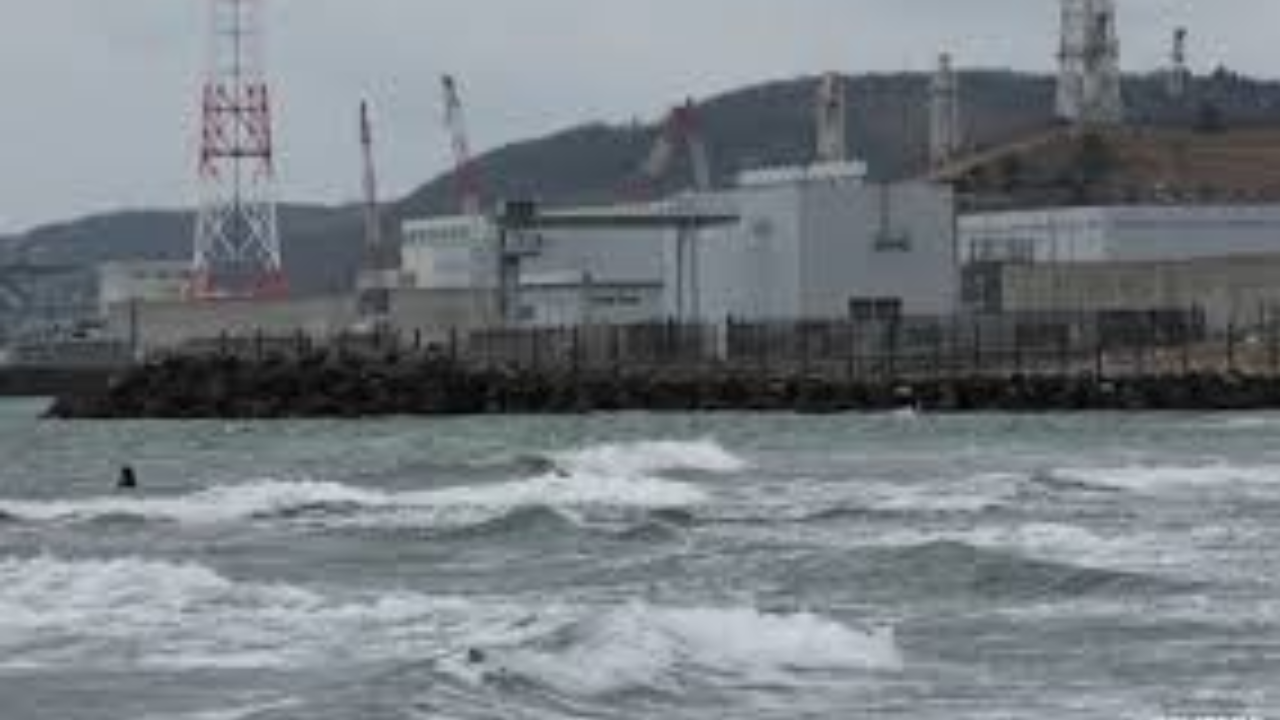
In what is being hailed as a “watershed moment” for Japan’s energy future, the Niigata region is expected to officially back the restart of the Kashiwazaki-Kariwa nuclear plant. This move signals the end of a 15-year hiatus following the 2011 Fukushima disaster. Located 220km from Tokyo, the facility—the world’s largest of its kind—is central to Japan’s plan to combat rising energy costs and fuel instability. While the decision marks a massive win for energy security, it has reignited fierce national debates over safety and the long-term legacy of nuclear power.
Thank you for reading this post, don't forget to subscribe!Energy Security vs. Public Safety: The Significance of the Niigata Endorsement
Japan is on the verge of its most significant shift in energy policy in over a decade. With Niigata expected to greenlight the Kashiwazaki-Kariwa facility, Tokyo is moving to reactivate a massive power source that has been dormant since 2011.
The Drivers of Change:
- Surging Demand: Growth in technology and industry is straining the current grid.
- Global Volatility: Relying on imported fuel has become an economic risk for Japan.
- Climate Goals: Nuclear is being positioned as a necessary tool for carbon reduction.
This “historic shift” represents more than just a restart; it is a test of public trust in TEPCO and the government’s ability to balance industrial needs with post-Fukushima safety protocols.
Japan’s Nuclear Comeback
After 15 years of silence, the Kashiwazaki-Kariwa nuclear plant—the world’s largest—is nearing a restart. Niigata officials are expected to provide the crucial endorsement needed to bring the facility back online.
Why it matters:
- Energy Independence: Reducing reliance on expensive fuel imports.
- Historic Milestone: The first major shift in policy since 2011.
- The Challenge: Balancing the urgent need for power with ongoing safety concerns.
Summary of the Changes
| Feature | Original Version | Rewritten Version |
| Focus | Reporting the news event. | Highlights the impact and strategic reasons. |
| Tone | Objective/Journalistic. | More dynamic and categorized for readability. |
| Structure | Single paragraph. | Uses bullets and headers to improve scannability. |