
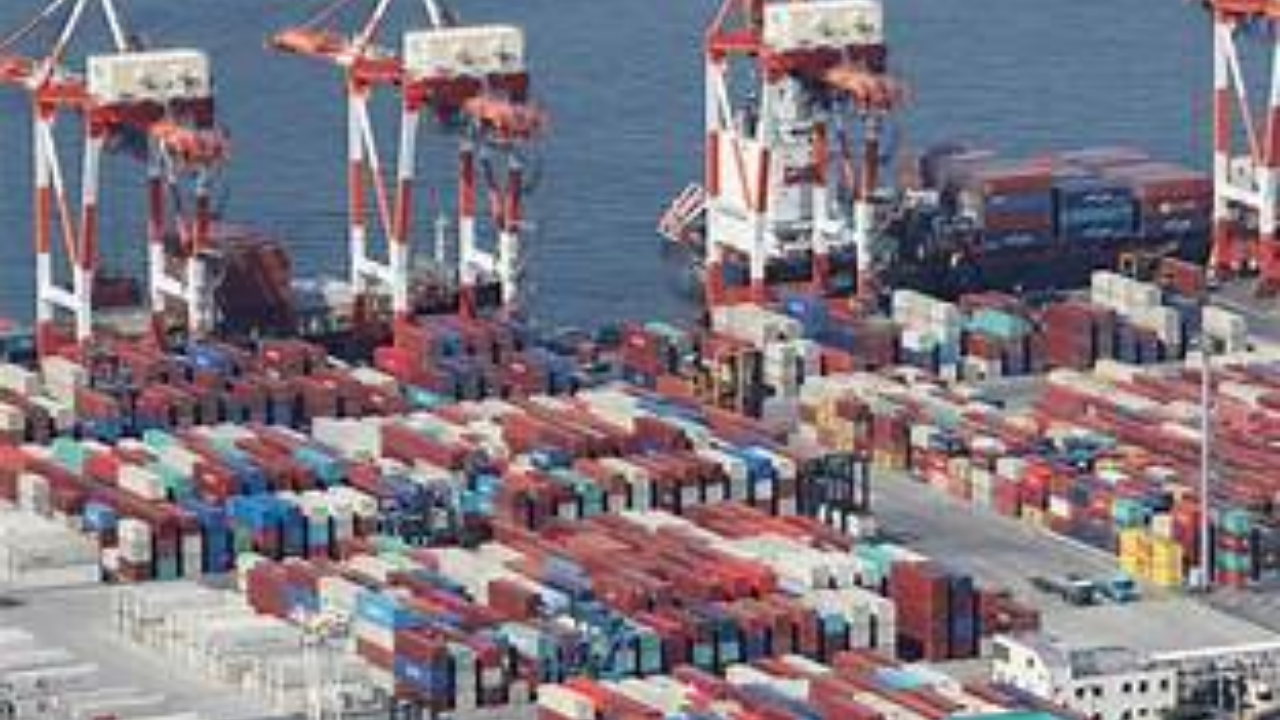
Japan’s exports have now fallen for four straight months, a trend largely driven by tumbling shipments to the United States. This ongoing decline is raising concerns about the country’s fragile economic growth, especially as the global economy continues to feel the effects of Trump’s trade policies.
Thank you for reading this post, don't forget to subscribe!The Numbers Behind the Decline
In August, overall exports dipped by a slight 0.1% compared to the previous year, which was a better outcome than the 2.0% drop economists had predicted. However, a deeper look at the data reveals some significant struggles:
- Trade Deficit: Japan’s overall trade balance was in the red, with a deficit of ¥242.5 billion ($1.7 billion).
- US Shipments Tumble: The most dramatic drop was a 13.8% fall in the value of exports to the U.S., the largest decline in more than four years.
- Cars and Steel Hit Hard: This decrease was led by a 28.4% drop in the value of car shipments to America. Interestingly, the number of cars shipped only fell by 9.5%, suggesting Japanese automakers are cutting prices to hold onto market share. Steel exports faced a similar situation, with a 26.2% drop in value against a slight increase in volume, a clear sign that exporters are absorbing the 50% tariffs.
Broader Economic Implications
This pressure on exports could have serious consequences for Japan’s economy:
- Profit Squeeze: With companies forced to slash prices to compete, their profit margins are shrinking. This puts particular pressure on small and medium-sized businesses and could make it harder for wages to rise.
- Risk to Growth Cycle: Authorities in Japan are working to create a positive cycle of inflation, wage gains, and growth. If corporate profits and wages stagnate, this could derail those efforts and threaten the country’s economic stability.
- Challenges for the Bank of Japan: The potential for weaker wage growth is a major concern for the Bank of Japan. The central bank has been looking to gradually raise its benchmark interest rate, but consistent wage increases have been a key factor in its policy decisions. Without them, a rate hike becomes less likely.
Despite a recent trade deal that lowered tariffs on Japanese cars to 15% (effective September 16), Japan still faces ongoing pressure from the U.S. to reduce its trade surplus. Furthermore, the U.S. is urging Japan and other G7 allies to impose high tariffs on Russian oil, a move that would have further global trade implications.










Comments are closed.