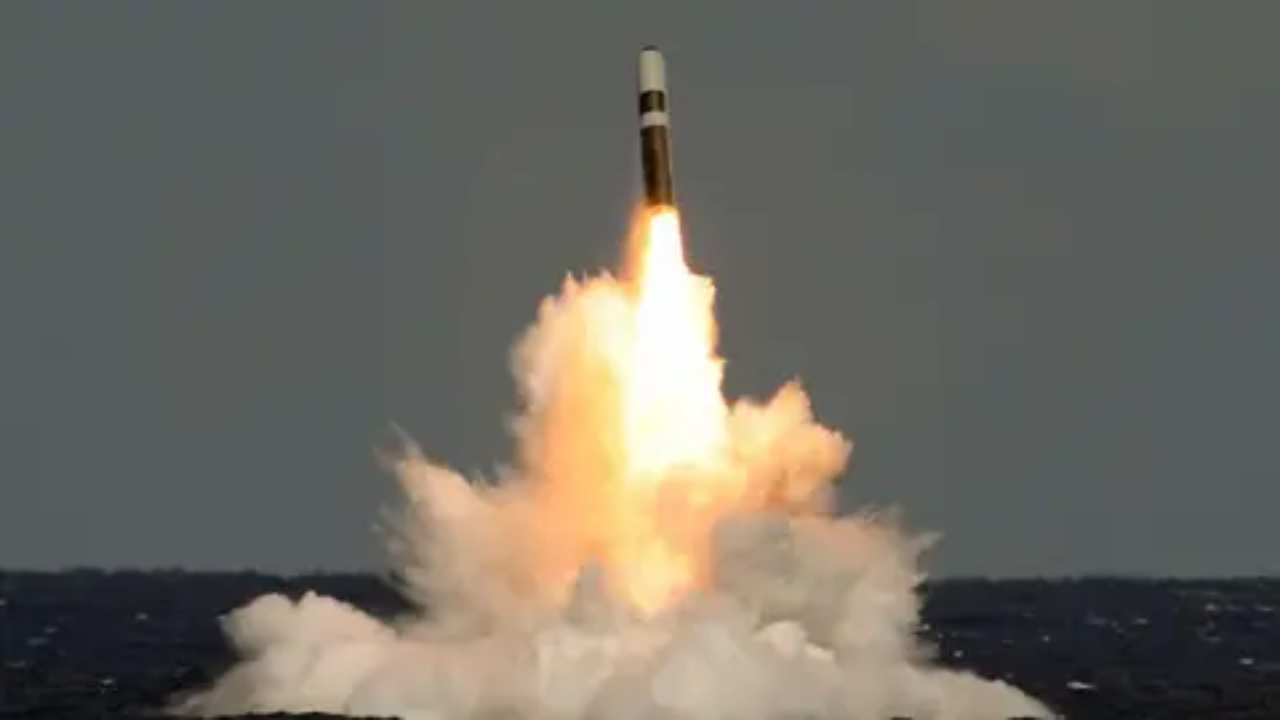
TOKYO – Prime Minister Sanae Takaichi stated on Monday that while Japan has not yet received a formal request to intervene in the Strait of Hormuz, the government is “considering how to respond appropriately” to escalating threats against the vital shipping route.
Thank you for reading this post, don't forget to subscribe!The Request for Coalition Support
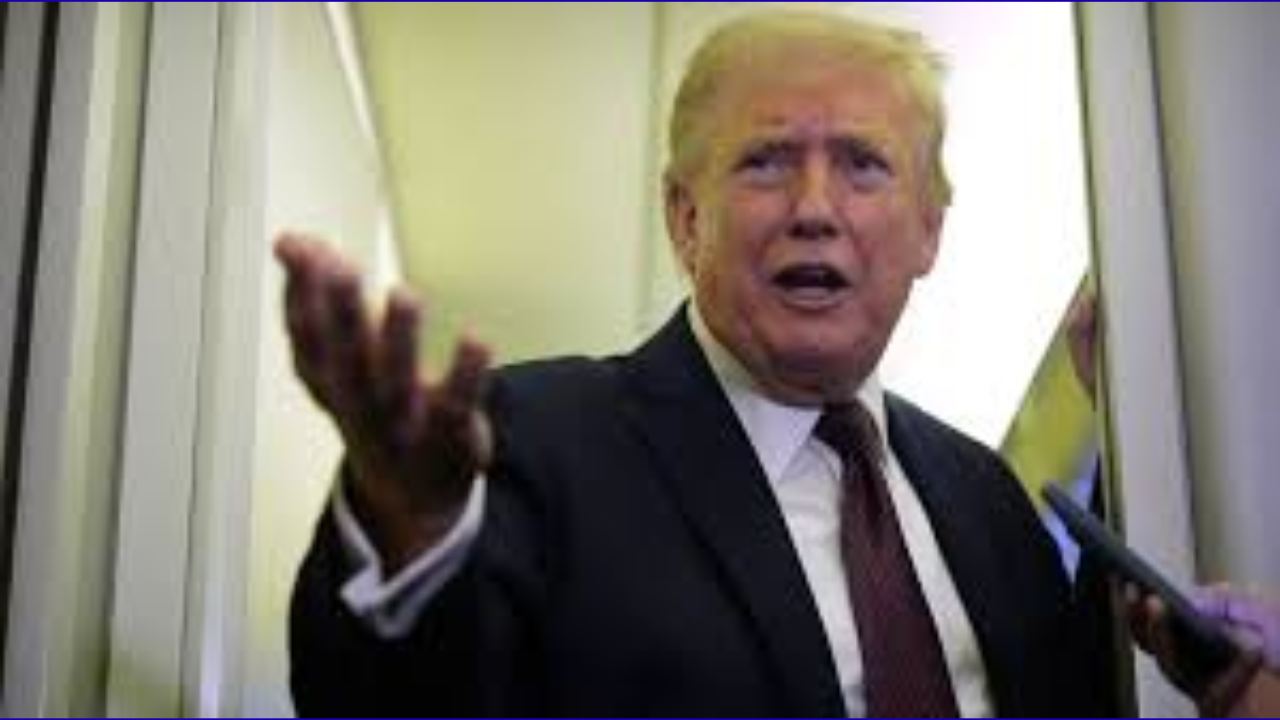
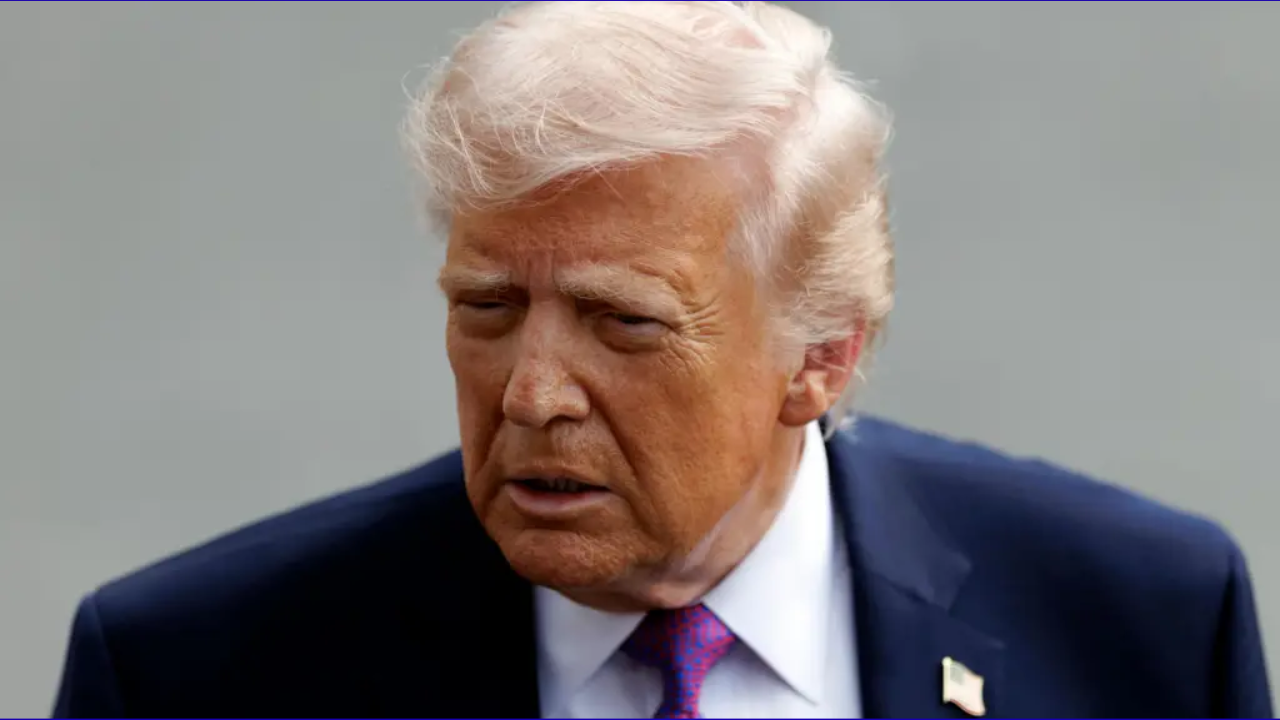
The statement follows an appeal from U.S. President Donald Trump, who called on several nations—including China, France, Japan, South Korea, and the UK—to assist in securing the waterway following Iran’s attempted closure.
The Strait is a critical artery for global energy, and Japan remains particularly vulnerable due to its heavy reliance on Middle Eastern oil.
Legal and Strategic Constraints
Prime Minister Takaichi, who is scheduled to visit the United States next week, highlighted the dual challenge of international expectations and domestic law:
- Protecting Interests: Tokyo is currently “examining how we can protect the vessels and the lives of their crews” while weighing potential measures.
- Constitutional Limits: Takaichi admitted that seaborne policing actions are “extremely difficult” under Japan’s current pacifist legal framework.
- The Path Forward: The administration is searching for a solution that provides “the best possible measure” while remaining strictly within the boundaries of existing law.
Analysis: A Delicate Balance
The Prime Minister’s comments signal a cautious approach. By emphasizing “current law,” Takaichi is signaling to both the U.S. and the Japanese public that any SDF (Self-Defense Forces) involvement would likely be limited to information-gathering or logistical support rather than direct military escort, unless significant legal shifts occur.