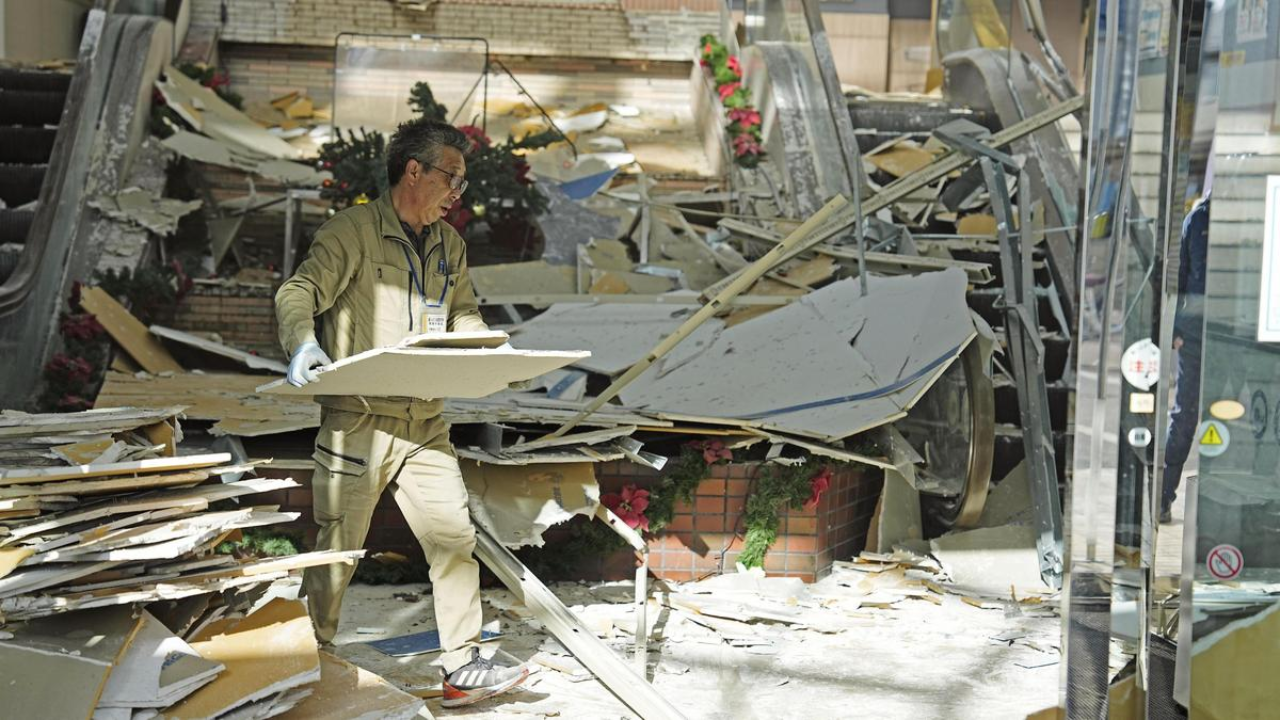
Japan initiated damage assessment on Tuesday, December 9, 2025, and issued warnings for potential aftershocks following a powerful Magnitude 7.5 earthquake that occurred late Monday night. The tremor, centered in the Pacific Ocean off Aomori Prefecture, caused injuries, minor structural damage, and generated a small tsunami along the Pacific coast.
Casualties and Immediate Impact
At least 33 people were injured, one seriously, primarily due to falling objects, according to the Fire and Disaster Management Agency.
The quake, measured at M7.5 by the Japan Meteorological Agency (JMA) and M7.6 by the U.S. Geological Survey (USGS), struck around 11:15 p.m. about 80 kilometers off the coast of Aomori, the northernmost prefecture of Honshu island.
Tsunami and Infrastructure Disruptions
A 70-centimeter (2-foot, 4-inch) tsunami was recorded at Kuji port in Iwate Prefecture, with waves up to 50 centimeters hitting other areas. The waves also reportedly damaged some oyster rafts. All tsunami advisories were lifted by 6:30 a.m. Tuesday.
Essential services faced brief disruptions:
- Approximately 800 homes lost power initially, though most supply was restored by Tuesday morning.
- Shinkansen bullet trains and local lines were suspended in parts of the region, with East Japan Railway working to resume services later that day.
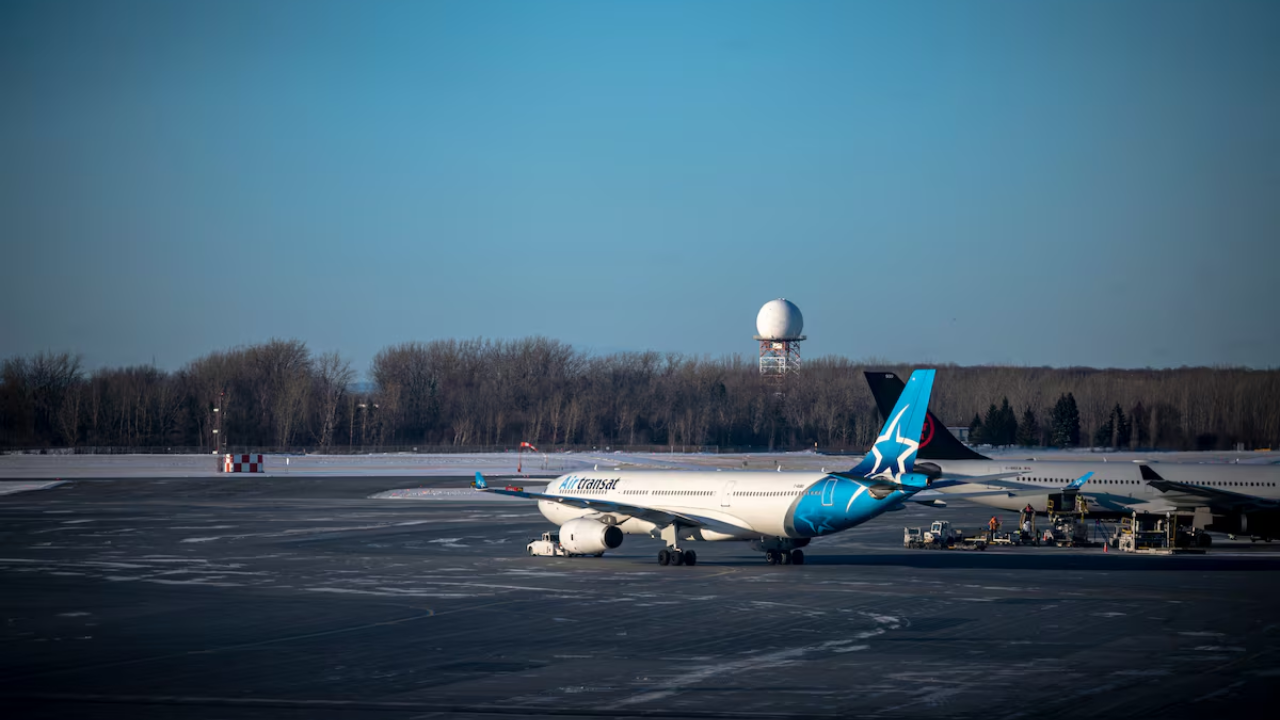
- In Hokkaido, about 200 passengers were stranded at New Chitose Airport after sections of a domestic terminal ceiling cracked and fell, rendering part of the building unusable.
Government Response and Safety Checks
Prime Minister Sanae Takaichi formed an emergency task force to quickly evaluate the damage. She stressed that the government is prioritizing public safety while reminding citizens of the need for self-protection.
Defense Minister Shinjiro Koizumi confirmed that about 480 residents took shelter at Hachinohe Air Base, and 18 defense helicopters were mobilized for a damage assessment.
The Nuclear Regulation Authority (NRA) reported a minor incident at the Rokkasho fuel reprocessing plant in Aomori, where about 450 liters of water spilled from a spent fuel cooling area. However, the water level remained normal, and the NRA found no safety concerns or abnormalities at other nuclear facilities.
Aftershock and Long-Term Warning
The JMA issued a serious caution for the coming days, warning of continuing aftershocks.
Crucially, the JMA stated there is a slight increase in the risk of a Magnitude 8-level quake and potential tsunami along Japan’s northeastern coast, stretching from Chiba to Hokkaido. The agency urged residents in 182 municipalities to review their emergency preparedness in the coming week.
The official reminder comes as the area is located just north of the region devastated by the M9.0 earthquake and tsunami in 2011. JMA official Satoshi Harada stressed, “You need to prepare, assuming that a disaster like that could happen again.”