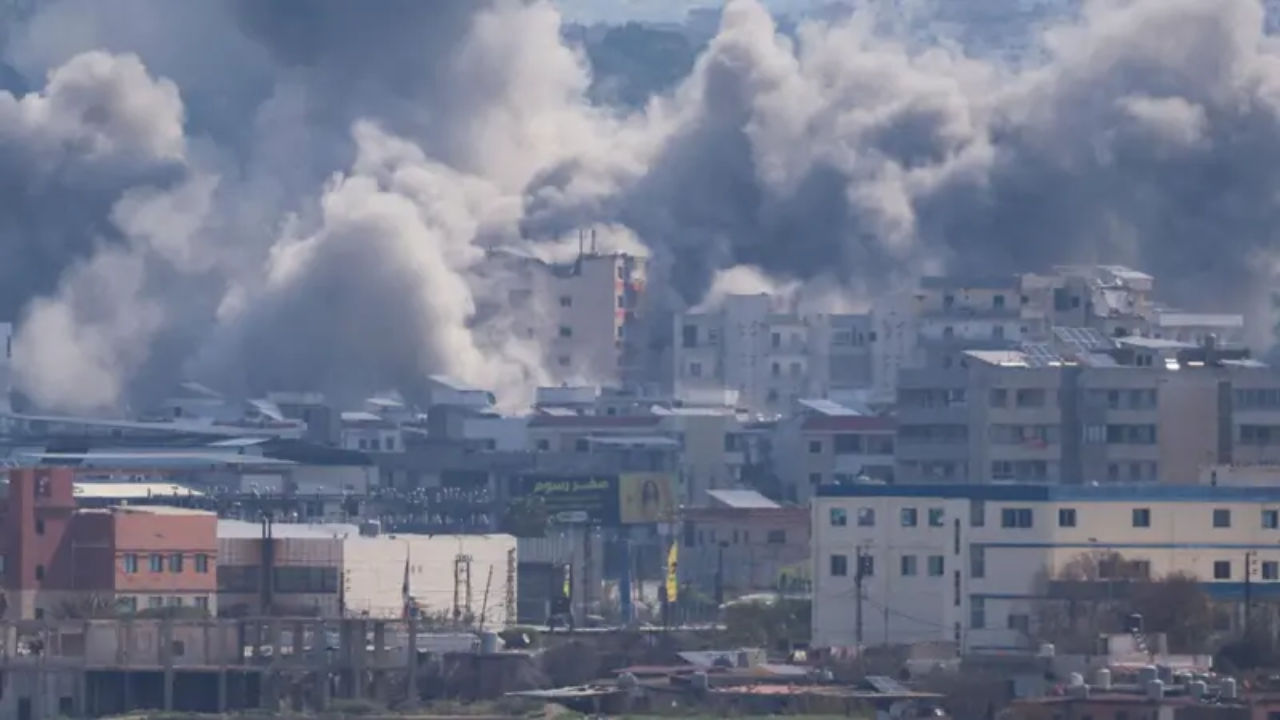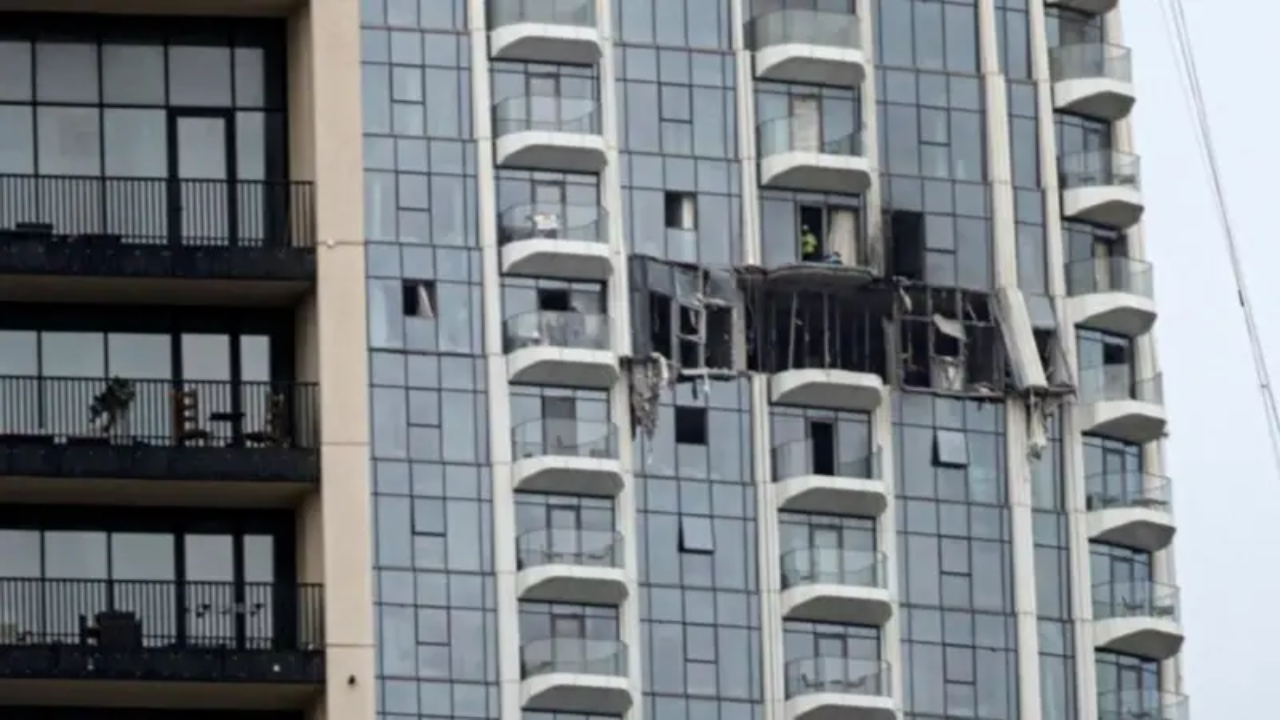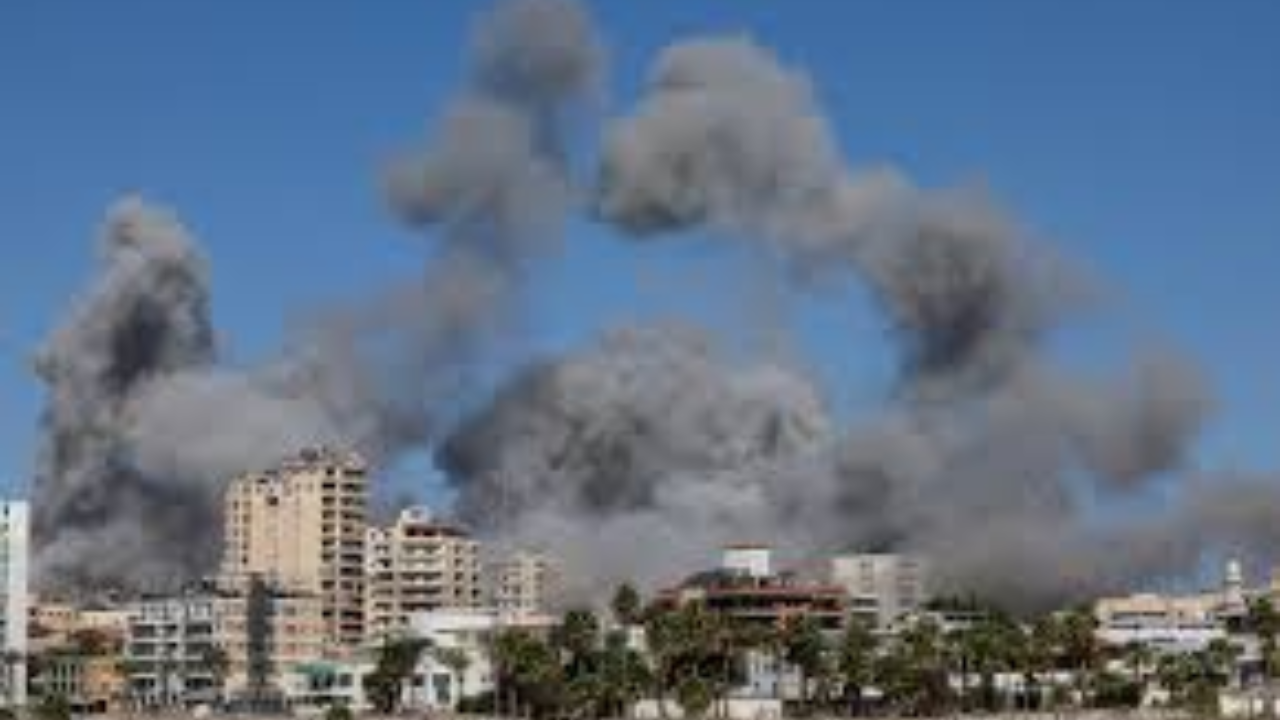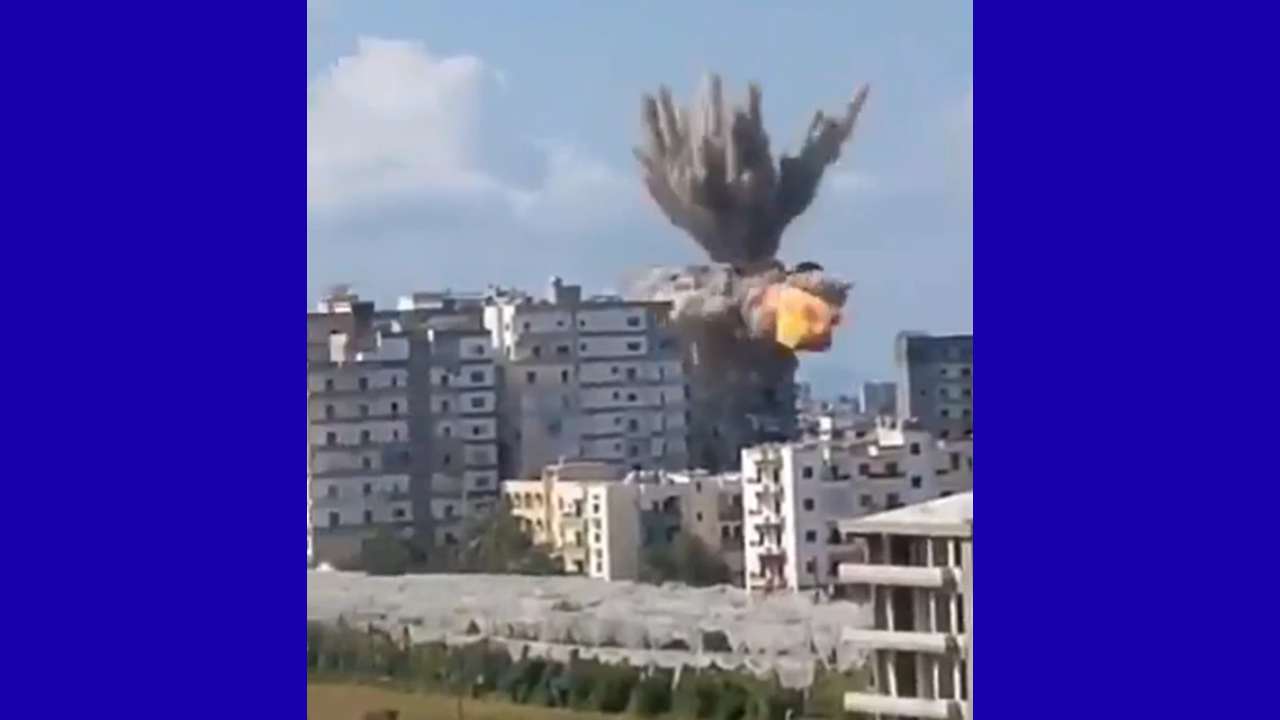
a massive wave of Israeli airstrikes devastated central and southern Lebanon, with dramatic footage capturing the collapse of several high-rise buildings. The intensification comes despite a recent ceasefire announcement regarding the broader regional conflict, which Israel maintains does not extend to its operations against Hezbollah.
Thank you for reading this post, don't forget to subscribe!Scale of the Operation
The Israeli military launched what it characterized as its largest coordinated strike to date, hitting over 100 targets in a concentrated 10-minute window.
- Target Zones: Strikes spanned central Beirut, the southern suburbs, and the Bekaa Valley.
- Infrastructure Impact: Multiple residential and commercial towers in the Chiyah and Corniche al Mazraa districts were leveled, resulting in massive debris fields across the capital.
Casualties and Humanitarian Toll
The human impact of the afternoon strikes has been severe:
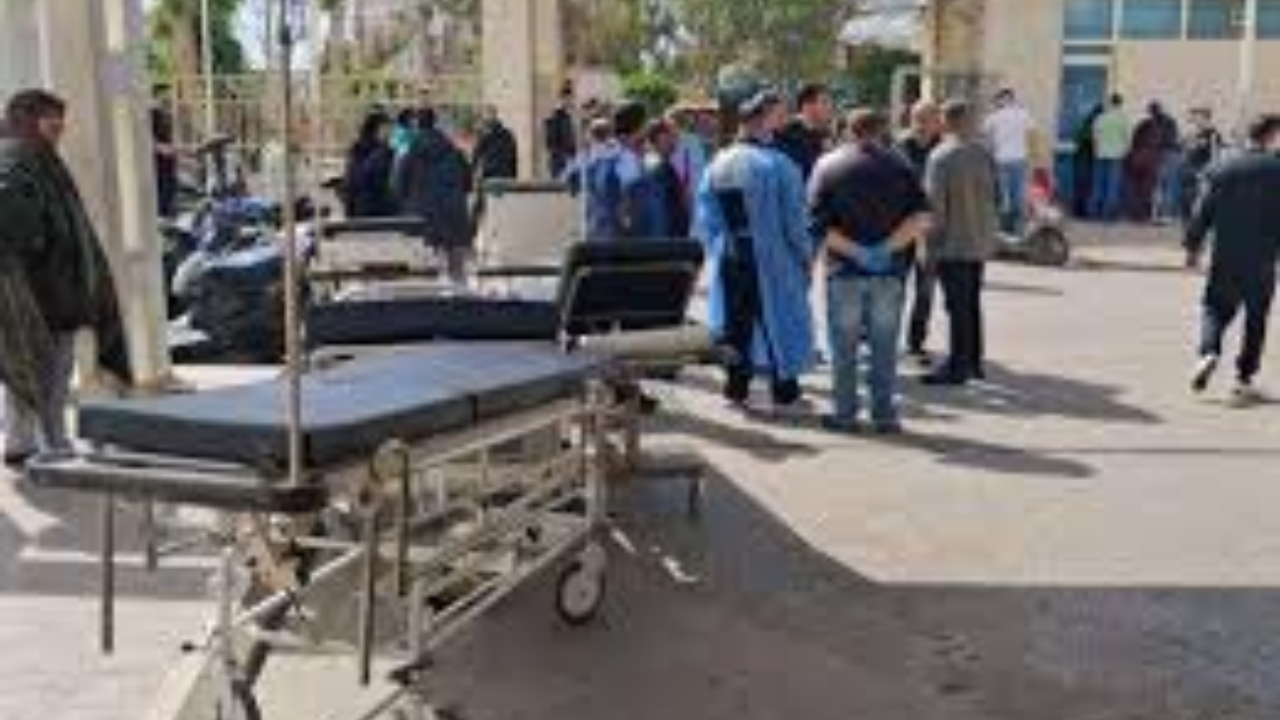
- Casualties: Lebanon’s Ministry of Public Health reports dozens of fatalities and hundreds of injuries.
- Lack of Warning: Residents and officials noted that several strikes in central Beirut occurred without the typical evacuation orders, catching many civilians off-guard during a busy afternoon.
- Search and Rescue: Emergency teams are utilizing heavy machinery and manual labor to locate survivors trapped beneath the ruins of the collapsed apartment blocks.
The Ceasefire Paradox
The timing of the strikes has created significant confusion and fear:
- The Iran Front: A ceasefire brokered by Pakistan recently went into effect regarding the U.S.-Israel-Iran front.
- Israel’s Stance: Prime Minister Benjamin Netanyahu clarified that the two-week pause does not apply to Lebanon, signaling a continued campaign to dismantle Hezbollah’s infrastructure.
- Displacement: With over 1.1 million people already displaced since March 2026, many families who were preparing to return home following the ceasefire news have been forced into a secondary wave of displacement.