An Israeli military spokesperson confirmed Tuesday that the Israel Defense Forces (IDF) are operationally prepared to sustain high-intensity combat against Iran for “weeks to come,” signaling no immediate end to the month-long regional war.
Thank you for reading this post, don't forget to subscribe!Strategic Update: A Month of Conflict
- Degradation of Assets: Operations are currently focused on “peeling away” Iran’s ballistic missile production capabilities and disrupting command-and-control centers.
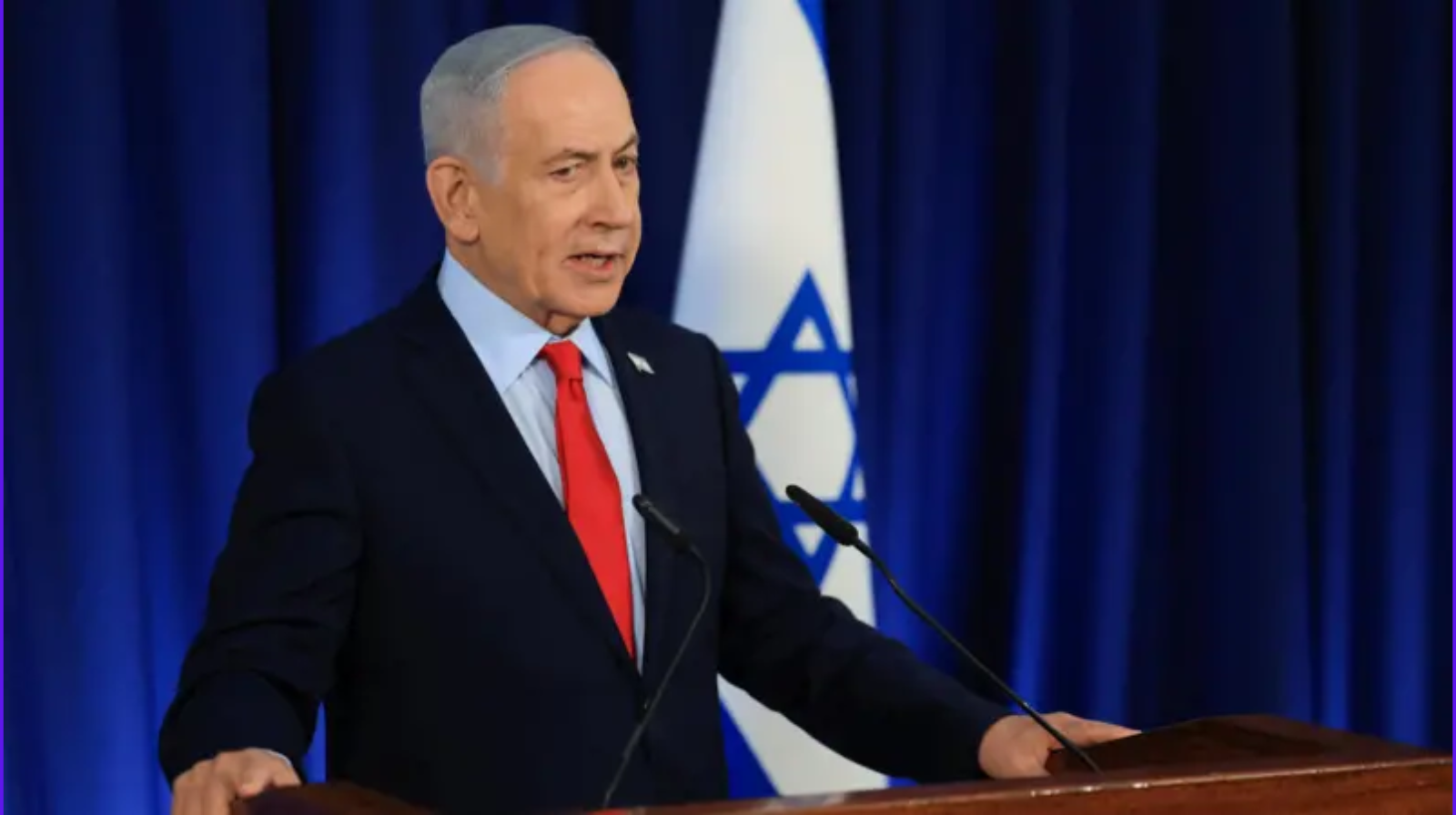
- Netanyahu’s Assessment: Prime Minister Benjamin Netanyahu recently suggested the campaign has moved “beyond the halfway point,” though military officials cautioned that the timeline remains dependent on political directives.
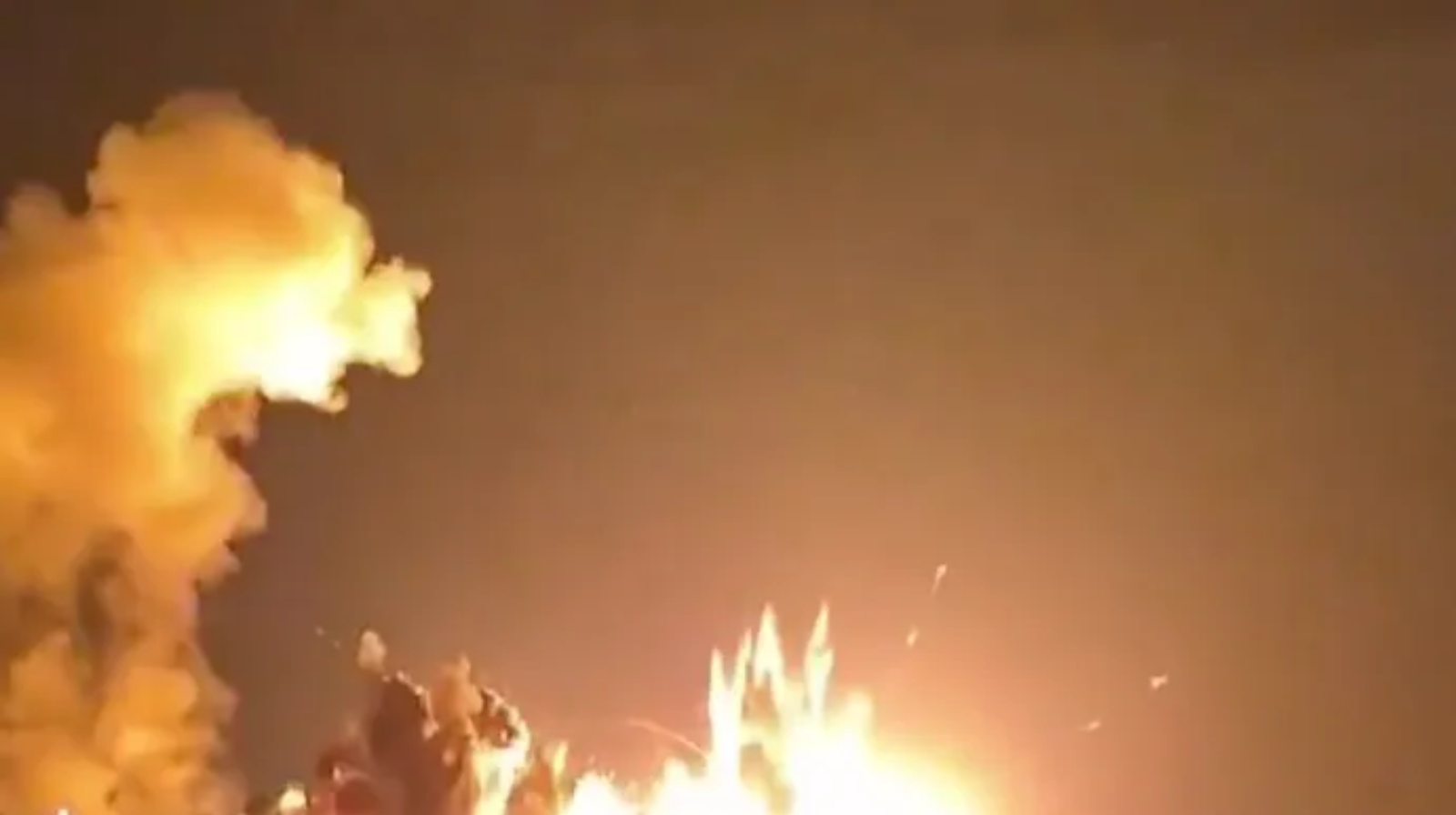
- The Iranian Retaliation: On March 29, Iran launched its 11th wave of ballistic missiles toward Israel. Despite a high interception rate, the sheer volume of strikes—compounded by proxy attacks from Hezbollah and the Houthis—continues to strain regional air defenses.
Escalating Humanitarian and Global Impact
The intensity of the war has led to significant fallout across the Middle East:
- Casualties & Displacement: Since late February, casualties have reached the thousands in Iran and Lebanon. In Israel, dozens have been killed and thousands injured by incoming fire.
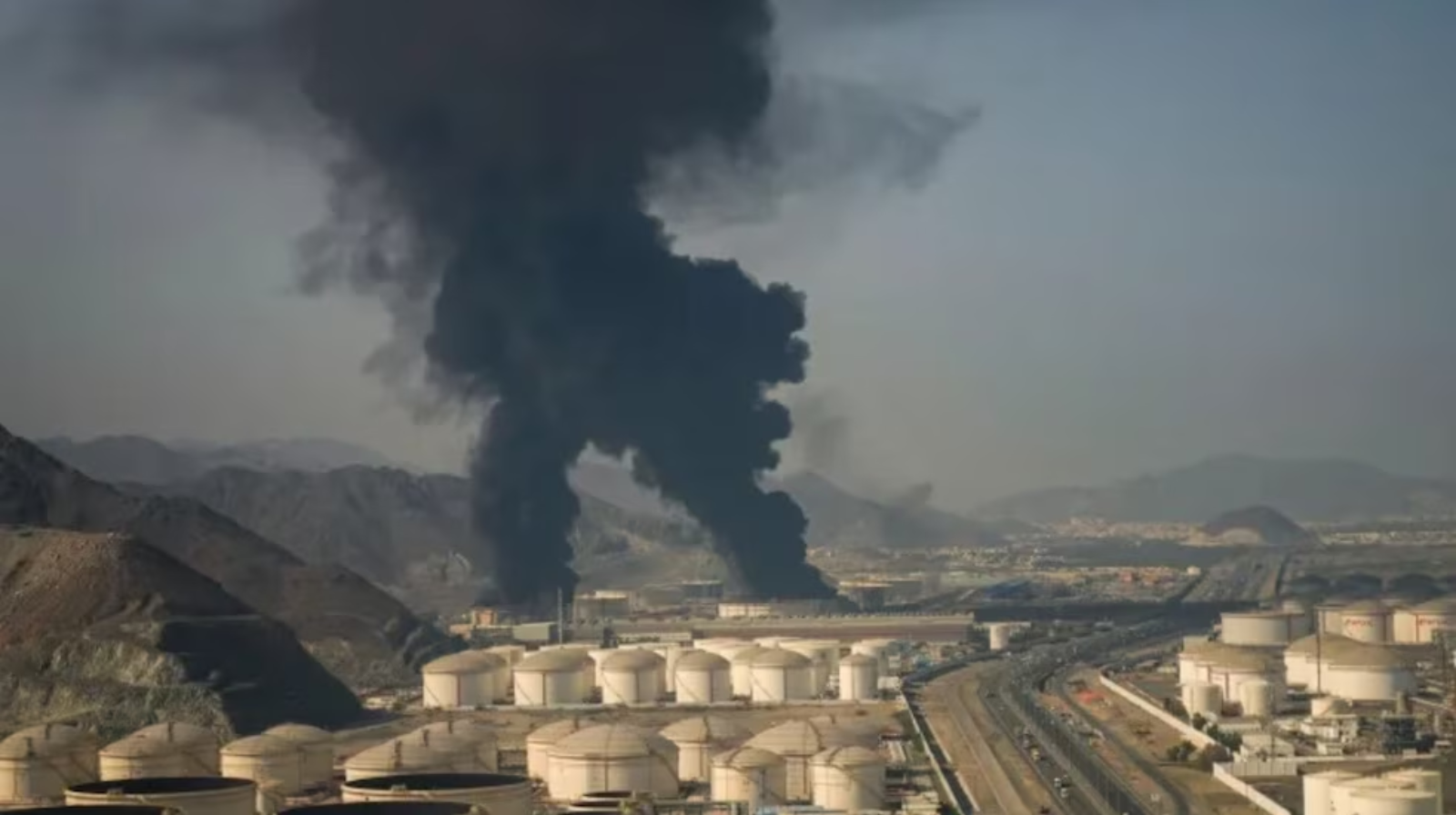
- Infrastructure Damage: Sustained strikes have severely damaged electrical grids in Tehran and Alborz. Conversely, Iranian projectiles have struck industrial sites in southern Israel and civilian areas in Kuwait.
- International Tensions: The conflict has increasingly endangered international personnel; on March 30, a UN peacekeeper (UNIFIL) was killed in southern Lebanon following a projectile strike.
Analysis: The military’s statement underscores a commitment to a “war of attrition” strategy aimed at ensuring the permanent degradation of the Iranian regime’s offensive capabilities, following the death of former Supreme Leader Ali Khamenei in the war’s opening hours.